CleanCore’s ANEEL Fuel Passes 60 GWd/MTU in Idaho Test Reactor
CleanCore’s ANEEL fuel cleared 60 GWd/MTU in Idaho, pushing thorium-HALEU closer to longer cycles and lower fuel and waste costs for CANDU-class reactors.
Clean Core Thorium Energy has pushed its ANEEL fuel past 60 GWd/MTU in Idaho National Laboratory’s Advanced Test Reactor, a result that matters because it moves the thorium-HALEU concept from promising test article toward a fuel option with real deployment economics. For pressurized heavy water reactors and CANDU units, higher burnup can mean longer operating cycles, fewer refueling stops, and less spent fuel per unit of electricity, all without major reactor changes.
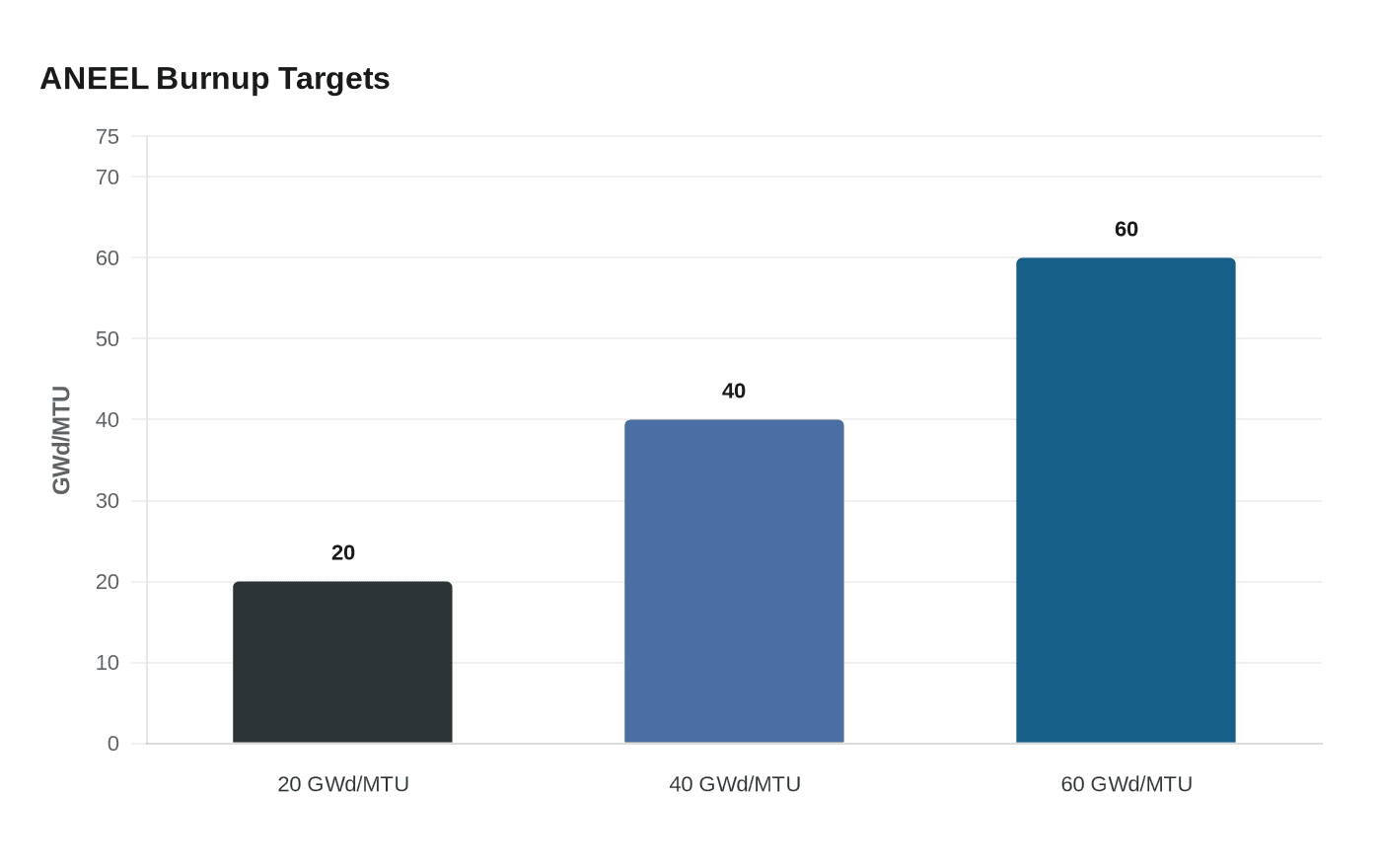
The milestone came from the final set of irradiation capsules in an ATR campaign built around 12 ANEEL fuel rodlets loaded in May 2024. Clean Core designed the program around three burnup targets, 20, 40 and 60 GWd/MTU, and said the last four rodlets have now reached the highest mark after the first eight already surpassed the lower targets. The company said the full irradiation run finished in less than two years, giving it reactor-condition performance data much faster than a commercial deployment path would normally allow.
Mehul Shah, Clean Core’s founder and chief executive, said clearing 60 GWd/MTU in the ATR is an important milestone for the ANEEL program and that the campaign shows thorium-HALEU fuel can reach burnup levels comparable to pressurized water reactor fuels while improving fuel utilization, safety and proliferation resistance. Clean Core says ANEEL combines thorium with high-assay low-enriched uranium and is intended as a once-through fuel cycle for PHWRs and CANDU reactors, with the potential to cut operating costs and spent-fuel volumes.
The remaining four rodlets will be moved to INL’s Materials and Fuels Complex after a short cooling period, where post-irradiation examination will add the data needed for qualification work. That next phase matters as much as the burnup headline. Utilities do not buy fuel on irradiation records alone. They need qualification data, regulatory review, manufacturing proof and bundle-level performance evidence before any commercial loading can happen.
Clean Core’s latest result also lands against a broader commercialization push. On April 16, 2026, the company and Canadian Nuclear Laboratories announced an agreement to manufacture demonstration irradiation bundles for a commercial reactor demonstration. Clean Core has also said it completed the first phase of the Canadian nuclear regulator’s pre-licensing review process, a sign that the program is now trying to translate Idaho test-reactor success into the steps that would be required for actual reactor deployment.
This article was produced by Prism’s automated news system from verified source data, official records, and press releases, then run through automated quality and moderation checks before publishing. The system is built and supervised by the people who set the standards it runs under. Read our full AI policy.
Did this article answer your question?