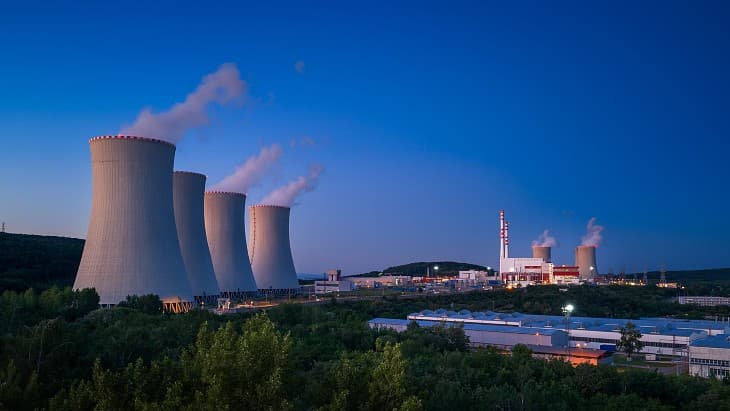
Blykalla and ABB sign reactor hardware pact for Sealer prototype
ABB is now signed on for Sealer hardware, a step that tests whether Blykalla can turn a 55-MW lead-cooled design into manufacturable plant equipment.
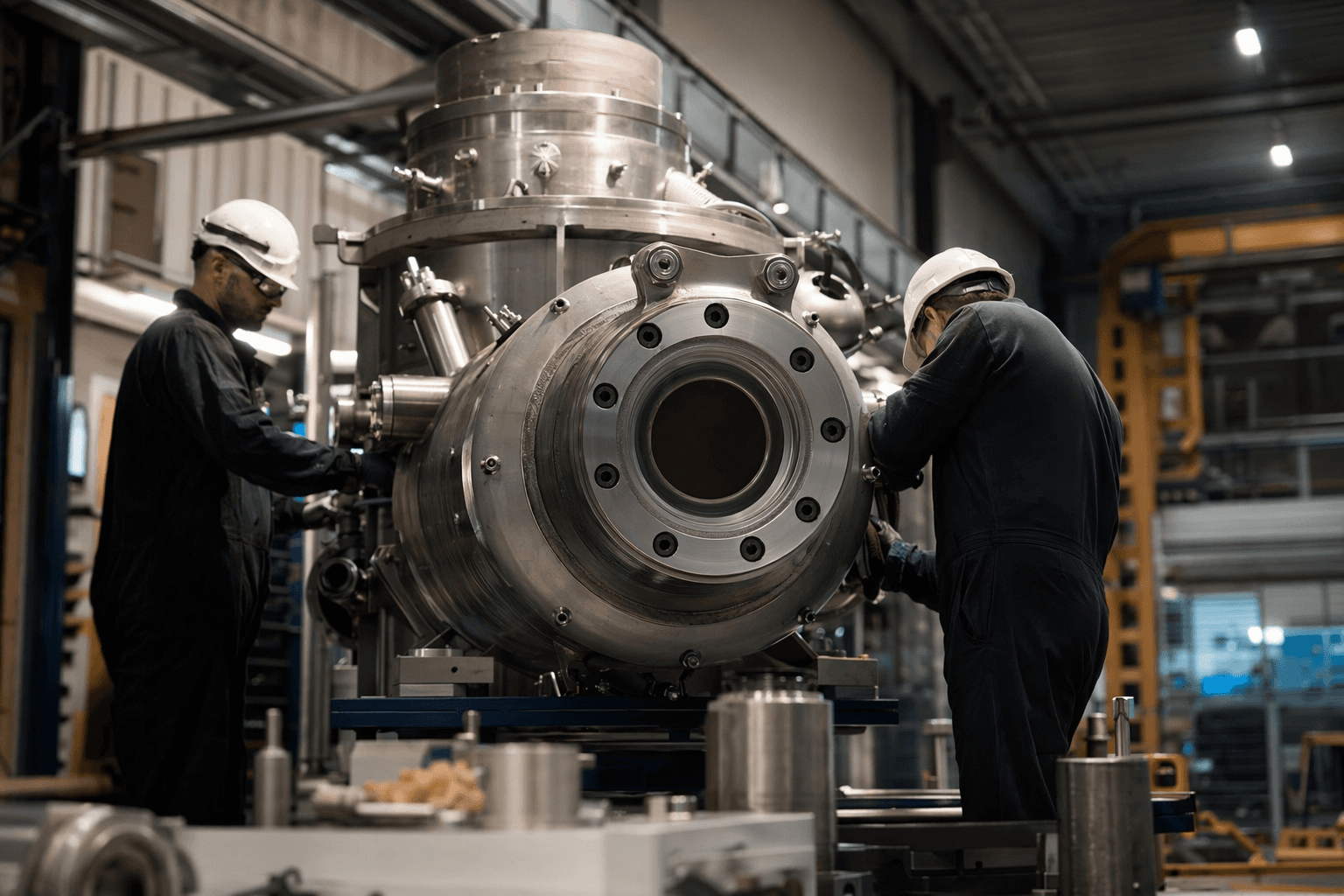
ABB has moved from exploratory support to active hardware development on Blykalla’s Sealer prototype, a step that matters less as corporate theater than as supply-chain proof. The new Joint Development Agreement covers key elements of the prototype reactor and control-room equipment, giving Blykalla a major industrial partner inside the design process as it tries to push the Sealer-55 from concept work toward plant hardware that can actually be built.
The agreement was signed on April 29, 2026 and formally advances a collaboration that began in October 2024 under a memorandum of understanding. That earlier arrangement had ABB looking at how its automation, electrification and digitalization tools could support Blykalla’s SEALER-E prototype, with an initial focus on a pilot facility near Oskarshamn, about 340 kilometers south of Stockholm. The new pact goes further, creating a framework for joint research and development and for technical and commercial integration, which is exactly the sort of early supplier involvement that can shorten the path from prototype drawings to manufacturable systems.
For Blykalla, the timing is telling. The company was founded in 2013 as a spin-off from the Royal Institute of Technology in Stockholm, and its founders have been working on lead-cooled reactor systems since 1996. Its long-term design goal is Sealer-55, a 55-MW lead-cooled reactor aimed at industrial complexes and electricity production. Bringing ABB into the reactor hardware conversation now suggests Blykalla is trying to de-risk component choices before first-of-a-kind construction locks them in.
That approach also helps explain why this deal lands with more weight than a typical partnership announcement. ABB is not a niche nuclear startup trying to get a logo on a pitch deck. It is an engineering, electrification and digitalization heavyweight, and its willingness to co-develop reactor elements and control-room systems is a meaningful signal that the Sealer program is being treated like a real industrial buildout, not just a licensing exercise. For small modular reactor developers, that kind of tier-one manufacturing alignment can matter as much as a regulatory milestone when investors and utilities start judging bankability.
Blykalla has been widening its commercial footprint on multiple fronts. On March 30, 2026, it announced an expanded transatlantic strategic partnership with Oklo, and last year it said it raised $50 million to accelerate industrialization and commercialization of SEALER. The company has also pointed to a proposed SMR park at Norrsundet, near Gävle Municipality, that would use six Sealer reactors, while industry reporting says permitting work has advanced after site assessments found the location suitable. With earlier ties to Uniper and KTH at Oskarshamn and a 2024 non-nuclear prototype plan there, the ABB pact fits a longer arc: Blykalla is steadily turning lead-cooled reactor ambition into an actual industrial program.
This article was produced by Prism’s automated news system from verified source data, official records, and press releases, then run through automated quality and moderation checks before publishing. The system is built and supervised by the people who set the standards it runs under. Read our full AI policy.
Did this article answer your question?