Bruce Power, Energy Alberta sign early-stage nuclear knowledge-sharing pact
Bruce Power and Energy Alberta opened a new channel for nuclear know-how as Alberta’s proposed 4,800 MW Peace River project moves deeper into federal review.
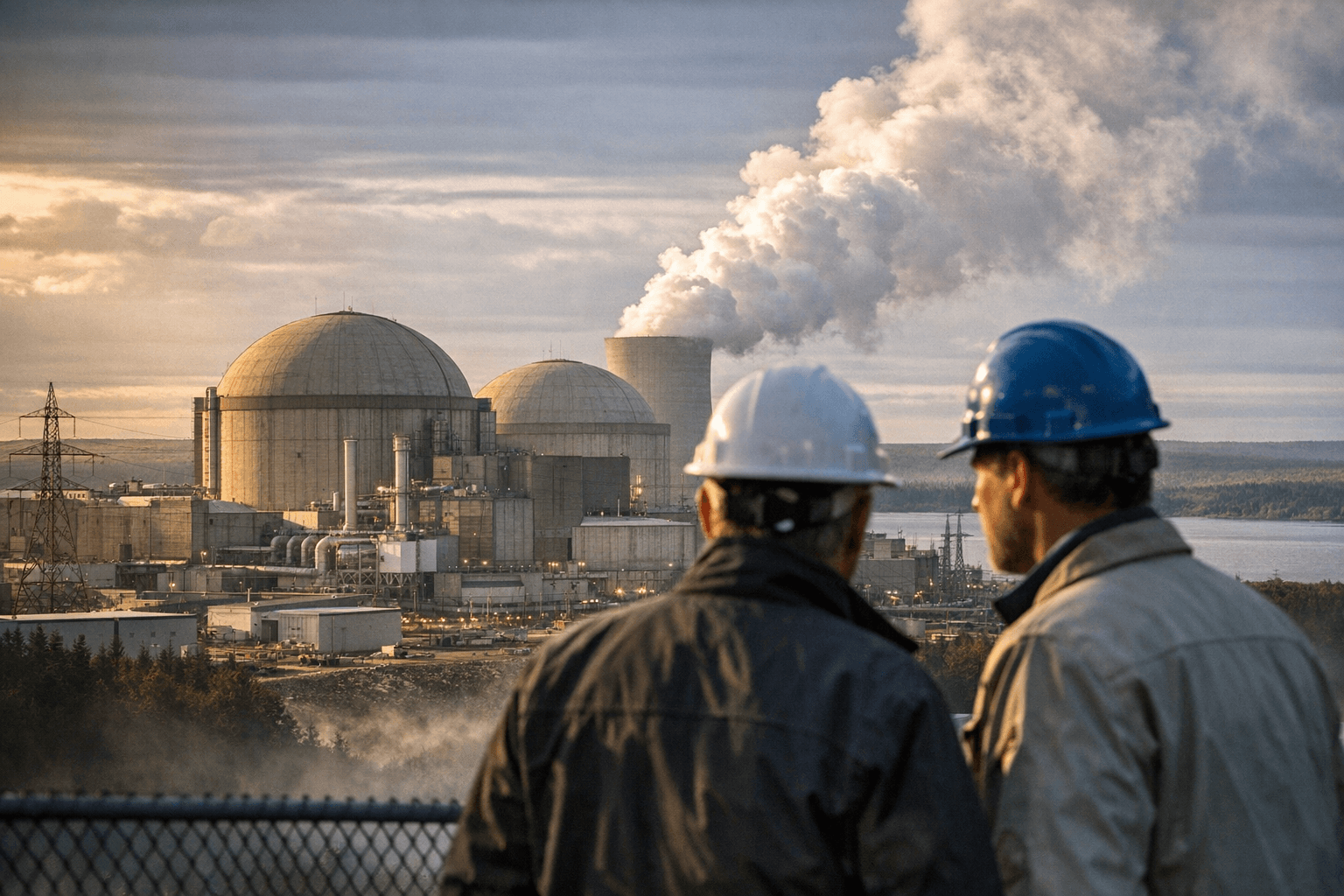
Bruce Power and Energy Alberta have struck an early-stage collaboration agreement aimed at sharing operating experience, high-level project frameworks and lessons learned, a move that could shape how Alberta tries to avoid the slowdowns that have hampered many first-of-a-kind nuclear builds.
The agreement, announced April 16, 2026, does not lock in a reactor design, a build schedule or a development commitment. Instead, it gives Energy Alberta access to Bruce Power’s institutional memory from one of the world’s largest private-sector nuclear fleets, at a time when Alberta is still working through siting, consultation and regulatory planning.
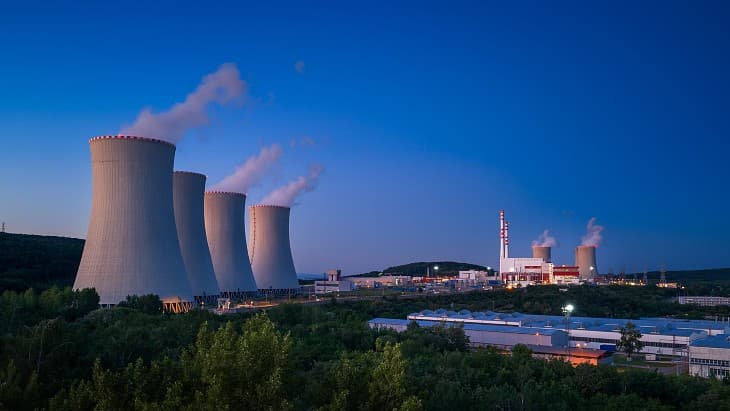
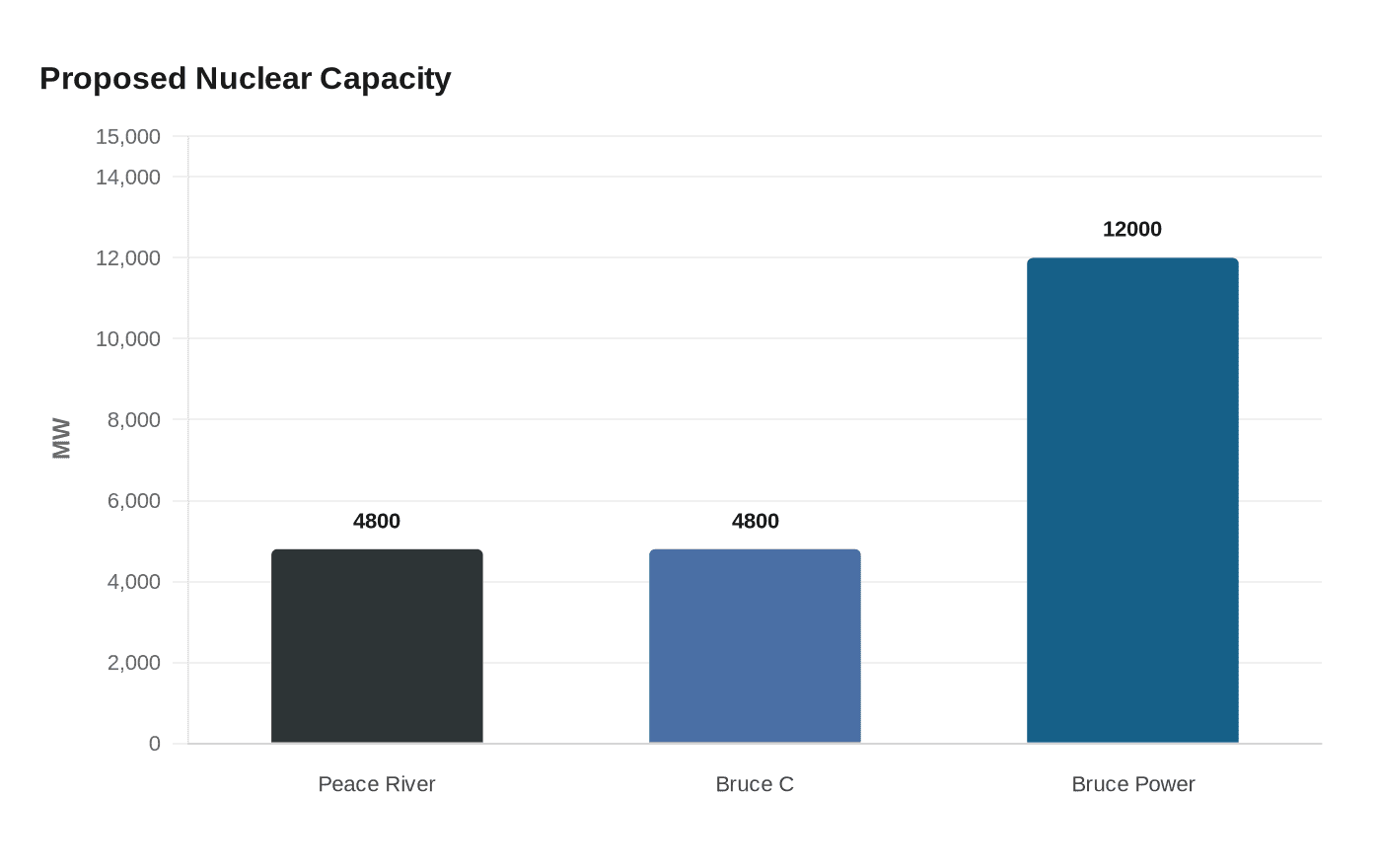
That matters because Energy Alberta’s proposed Peace River Nuclear Power Project is already in the federal impact-assessment system. The project description calls for two twin CANDU MONARK reactors, four in total, on a 1,424-hectare site about 30 kilometres north of Peace River, Alberta. Energy Alberta says the project could generate up to 4,800 MW, a scale it has described as equivalent to as much as 25% of Alberta’s existing electricity generation.
Bruce Power said the point of the agreement is to share experience and lessons learned, while Energy Alberta said it wants insight into governance models, regulatory considerations and how nuclear generation could fit into Alberta’s future energy mix. That kind of exchange is especially relevant in a project where early missteps can ripple into licensing delays, consultation disputes and expensive schedule slips before a concrete pour ever happens.
Bruce Power brings a long operating record to the table. Its Ontario site hosted Douglas Point, which began construction in 1959, powered up in 1967 and entered service in 1968 as Canada’s first commercial reactor. Bruce Power now operates eight Candu pressurised heavy water reactors and is refurbishing them for long-term operation. The company is also studying Bruce C, a proposed expansion of up to 4,800 MW on its existing fenced and secured 932-hectare site in Kincardine, Ontario, in the Territory of the Saugeen Ojibway Nation.
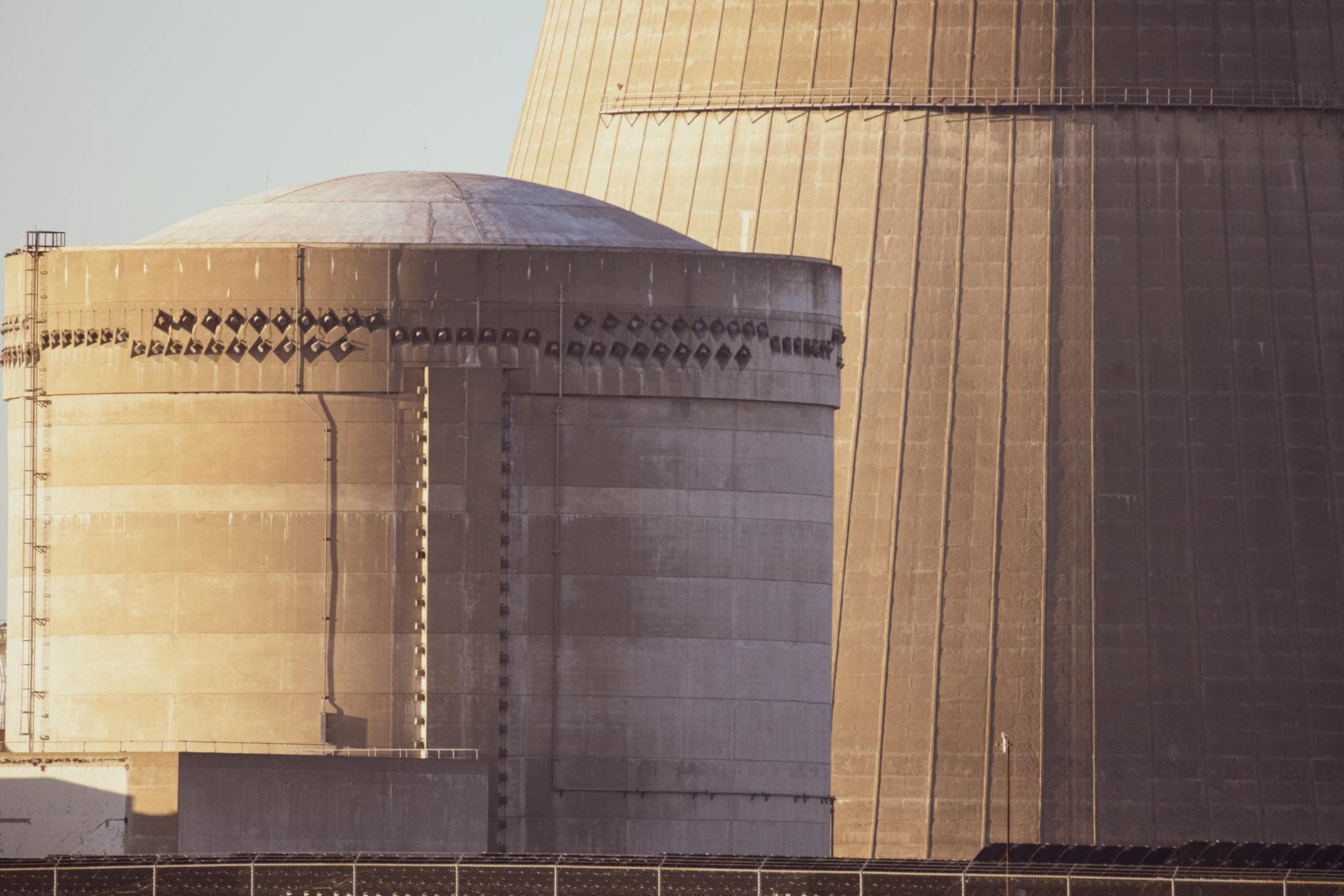
If built, Bruce C would lift Bruce Power to 12,000 MW and make it the largest nuclear generator in the world. That scale gives the company a practical lens on what it takes to move a large nuclear concept from paper to a shovel-ready project without losing years to avoidable process churn.
Energy Alberta’s Peace River proposal is not the only design it is exploring. On October 21, 2025, Energy Alberta and Westinghouse Electric Company signed a memorandum of understanding to examine AP1000 deployment. Meanwhile, the Peace River project has already moved through key early review steps, with the Impact Assessment Agency of Canada issuing a Summary of Issues in June 2025 and posting a Draft Indigenous Engagement and Partnership Plan the same month. Woodland Cree First Nation filed a submission on April 14, 2026 seeking reinstatement of a pause in the assessment process.
The timing also reflects a broader policy shift in Alberta. The province launched a public nuclear-energy consultation and survey in August 2025, and Canada and Alberta signed an agreement in April 2026 to streamline major project assessments. A November 2025 Canada-Alberta memorandum of understanding committed the two governments to work toward a nuclear generation strategy for Alberta and interconnected markets by 2050. In that setting, Bruce Power’s value is not in selling a reactor. It is in helping Alberta avoid the early mistakes that can turn a major project into a long delay.
This article was produced by Prism’s automated news system from verified source data, official records, and press releases, then run through automated quality and moderation checks before publishing. The system is built and supervised by the people who set the standards it runs under. Read our full AI policy.
Did this article answer your question?