Adani Power forms nuclear unit as India opens sector to private players
Adani Power has set up a nuclear unit and a new subsidiary, a formal step that could position India’s biggest private thermal producer for permits, partners and financing.
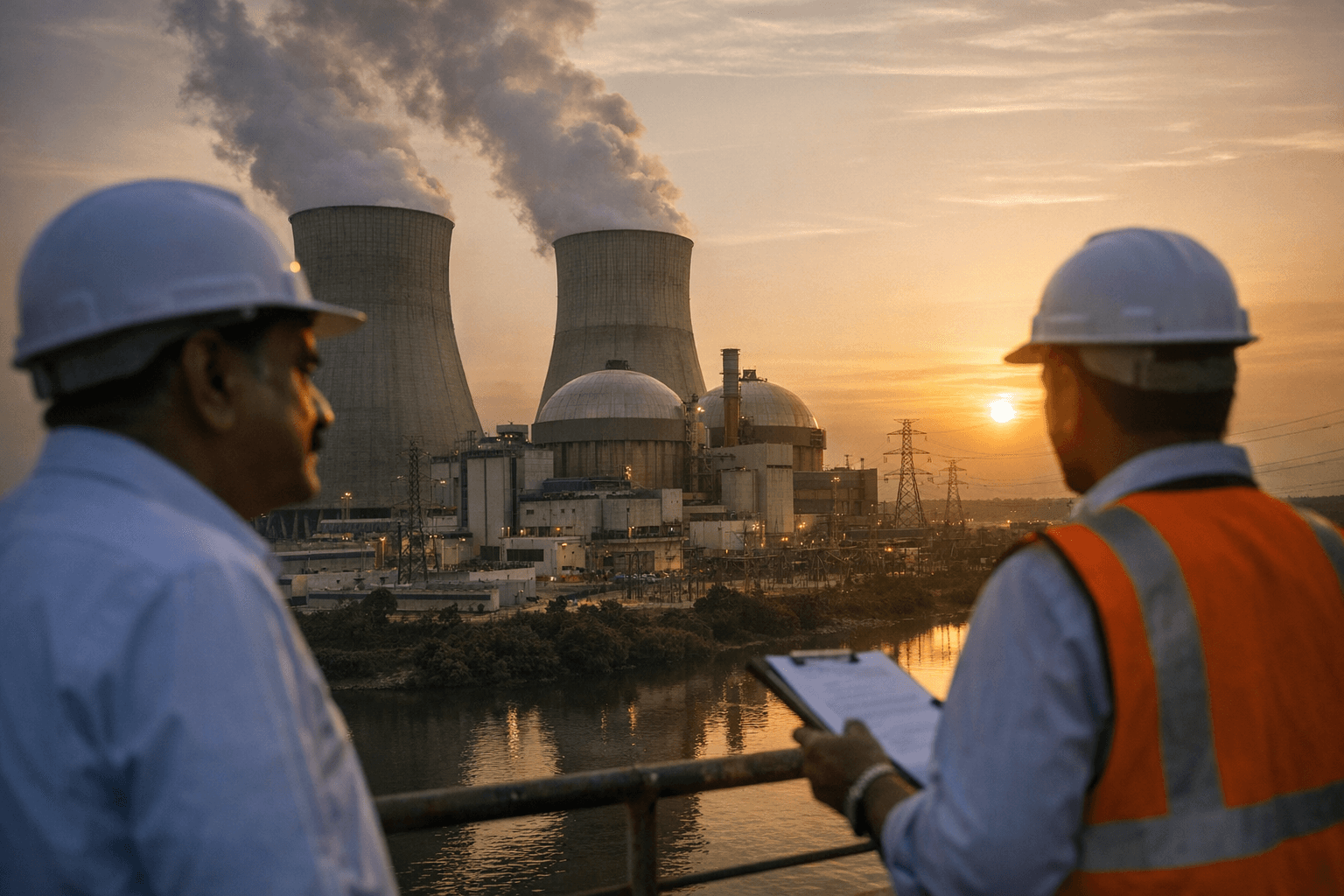
Adani Power has moved from signaling interest to building a corporate vehicle for nuclear power. Its wholly owned Adani Atomic Energy Limited incorporated Coastal-Maha Atomic Energy Limited on April 13 and received the certificate of incorporation on April 18, a small but telling step that gives the group a structure it can use for permits, partnerships, financing and site-specific deals.
That matters because Adani Power is not a minor entrant testing the waters. It is India’s largest private thermal power producer, with 12,410 MW of installed thermal capacity across six power plants and a 40 MW solar plant in Gujarat. For a company with that balance sheet and operating footprint, a nuclear subsidiary looks less like a publicity gesture and more like a legal shell built for a long game.
The timing fits India’s policy shift. The SHANTI Act 2025 opened the nuclear sector to private-sector participation, a break from the Atomic Energy Act of 1962, which had kept nuclear power generation under state control through NPCIL and BHAVINI. The reform package was also linked to a national goal of 100 GW of nuclear capacity by 2047, even as budget material put India’s nuclear fleet at about 8.8 GW at the time of the 2025-26 Budget.
NPCIL has already started pulling industry into the frame. On January 2, 2025, it issued a request for proposals for privately funded 220 MWe Bharat Small Reactors, compact pressurised heavy water reactors aimed at decarbonising industrial power demand. In October 2025, NPCIL extended the proposal deadline by six months, and six major industrial players were reported to have responded: Reliance Industries, Adani Power, Tata Power, Hindalco Industries, Jindal Steel and Power, and JSW Energy.
That still does not mean Adani has committed to a reactor order, a site, or a specific technology path. But the legal move lands after months of widening private-sector chatter around nuclear buildout. In December 2025, reports said the Adani Group had been discussing with Uttar Pradesh officials a plan for eight 200 MW small modular reactors, roughly 1,600 MW in all, though those talks were still exploratory. Jindal Nuclear Power Private Limited has also said it aims to contribute 18 GW over two decades.
The bigger read-through is simple: India’s nuclear market is no longer being talked about as a state-only preserve. Adani’s new subsidiary shows how private capital may begin to enter the sector, first through corporate plumbing, then through bids, partnerships and, eventually, construction.
This article was produced by Prism’s automated news system from verified source data, official records, and press releases, then run through automated quality and moderation checks before publishing. The system is built and supervised by the people who set the standards it runs under. Read our full AI policy.
Did this article answer your question?


