Kazakhstan targets three nuclear plants by 2050, eyes fourth if demand grows
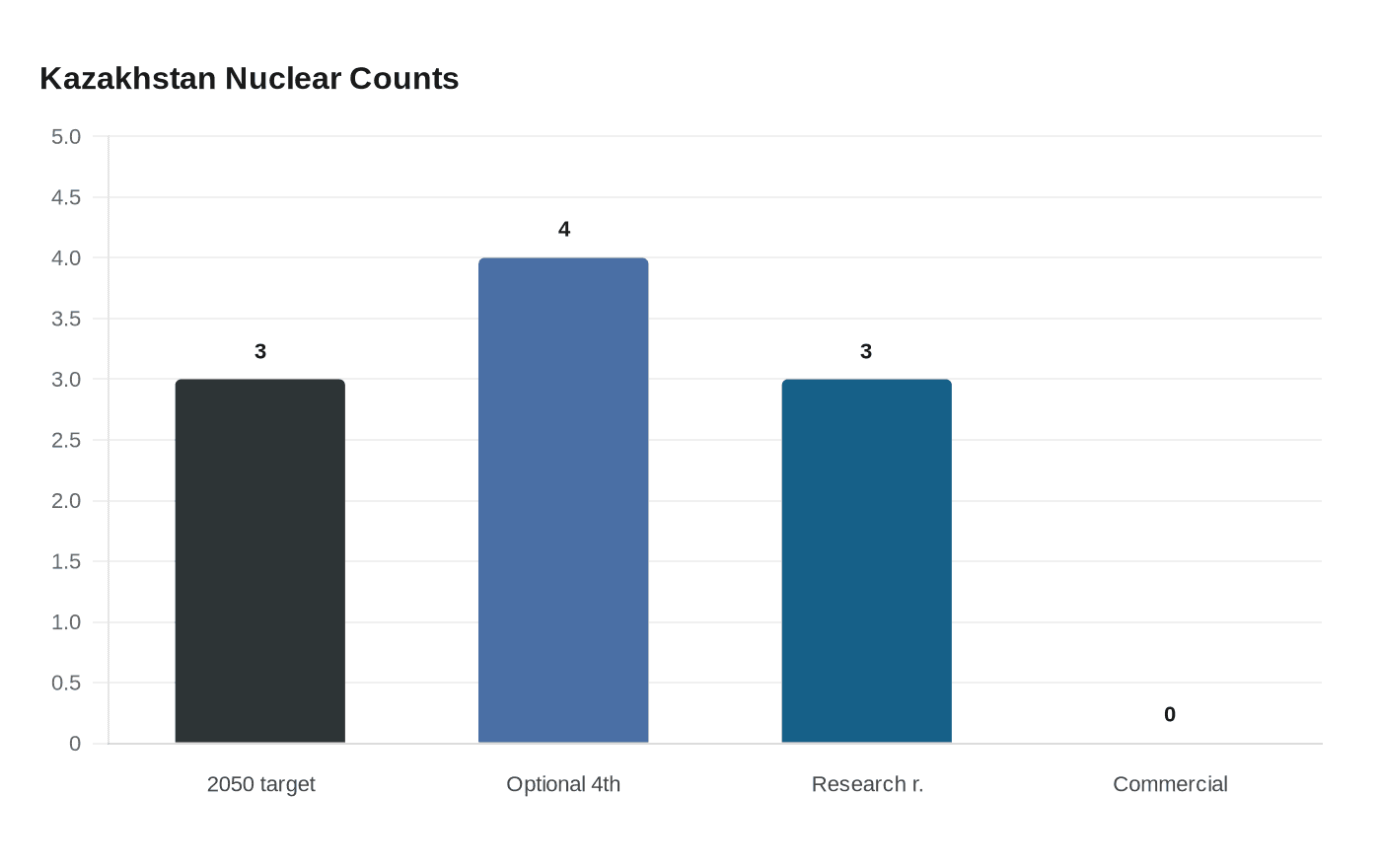
Kazakhstan set a 2050 target for at least three nuclear plants, with a fourth possible if demand keeps climbing.
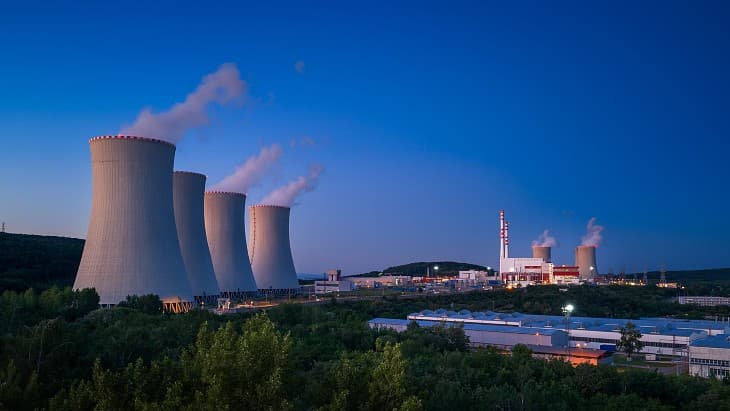
Kazakhstan has moved from broad nuclear ambition to a quantified buildout plan, setting a target of at least three nuclear power plants operating by 2050 and leaving room for a fourth if electricity demand keeps rising. The new Strategy for the Development of the Nuclear Industry until 2050 also keeps small modular reactors in play, saying feasibility studies will be carried out on their use in Kazakhstan and linking future nuclear capacity to the replacement of decommissioned coal-fired plants with equivalent nuclear output.
The plan matters because Kazakhstan still has no commercial nuclear fleet, even though it already sits near the center of the global fuel cycle. The country has three operating research reactors, and its earlier BN-350 reactor in Aktau entered service in 1973 before later being placed into decommissioning under a 1999 government decree. With the Kazakhstan Atomic Energy Agency established in 2024, the state is now building a new institutional framework around a sector that has long been tied to energy security, industrial policy and uranium leverage.
Public backing has also been strong enough to give the project political momentum. Kazakhstan’s Central Referendum Commission said 71.12% of voters supported nuclear power plant construction in the October 6, 2024 referendum. In June 2025, Rosatom was selected to lead the international consortium for Kazakhstan’s first planned plant, which is slated for the Ulken area on Lake Balkhash. In January 2026, the government approved construction of a second nuclear station near that same site, with local reporting describing the project under the working name Moyynkum and saying it could include two units.
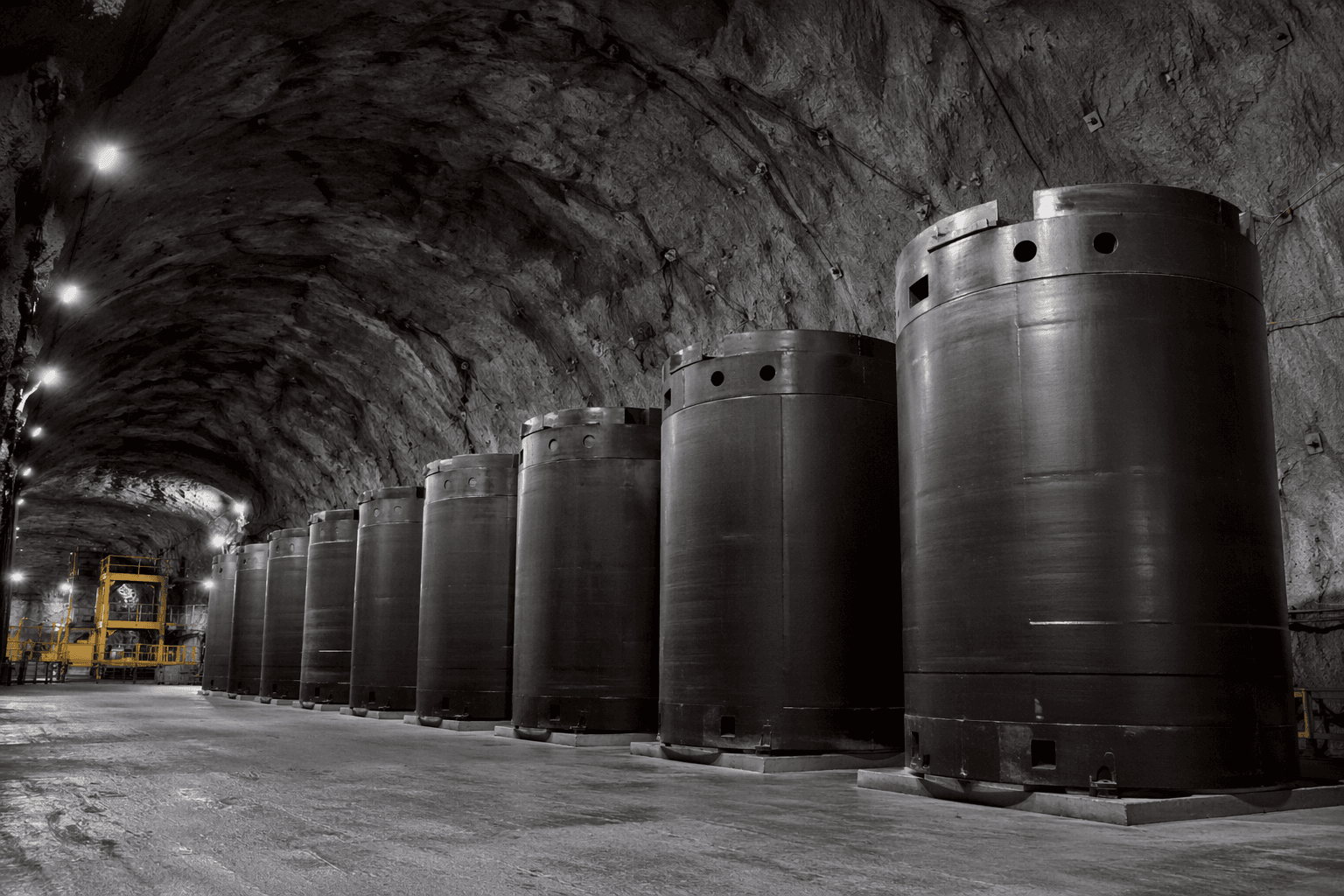
The strategy does more than sketch a first plant. It points toward a multi-unit program that would deepen Kazakhstan’s role in the global nuclear ecosystem while anchoring more of its uranium wealth inside the domestic power system. Kazakhstan holds about 14% of the world’s uranium resources, produced about 25,839 tonnes in 2025, roughly 40% of global output, and Kazatomprom said its attributable production represented about 21% of global primary uranium production in 2024. The strategy also lays out the less visible but essential pieces of any real buildout: radioactive waste and used fuel management, radiation and physical security, specialist training and the rational use of uranium resources. The next test is whether those plans translate into site work, licensing, financing and unit-by-unit construction, or remain a blueprint on paper.
This article was produced by Prism’s automated news system from verified source data, official records, and press releases, then run through automated quality and moderation checks before publishing. The system is built and supervised by the people who set the standards it runs under. Read our full AI policy.
Did this article answer your question?