Canada advances nuclear waste repository for streamlined federal review
Ottawa moved the proposed used-fuel repository into the Building Canada Act pipeline, where permits could be consolidated. Final approval, licensing and Indigenous consent are still ahead.
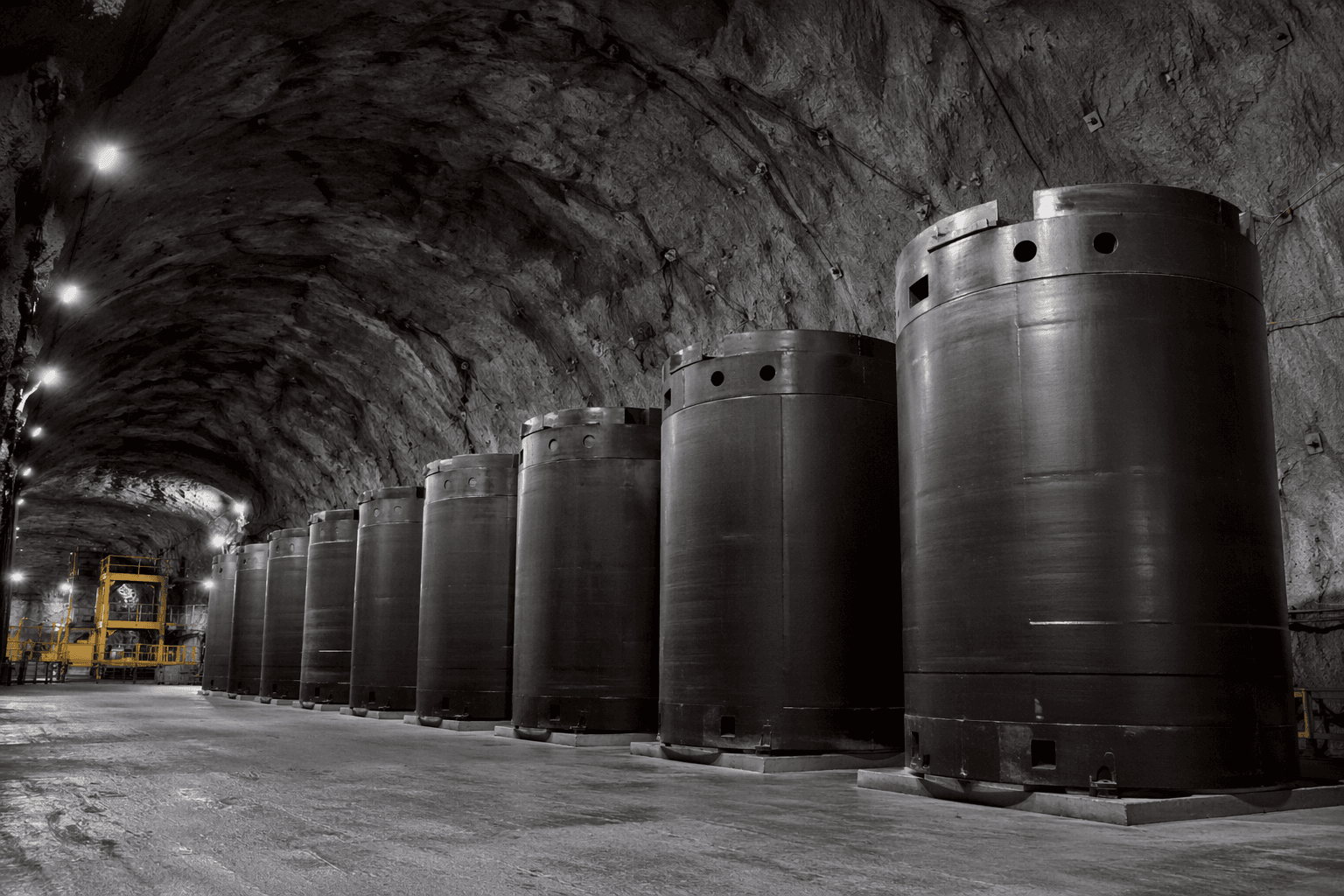
Canada moved the Nuclear Waste Management Organization’s deep geological repository into the Building Canada Act pipeline on June 25, putting the used-fuel project on a federal fast-track list without approving it. The repository was named as one of three projects under consideration, alongside the Mackenzie Valley Highway and the Grays Bay Road and Port Project, and officials said the move could consolidate key permits and authorizations if the project is ultimately listed.
It would permanently store about 5.9 million bundles of used nuclear fuel in northwestern Ontario, about 21 kilometres southeast of Wabigoon Lake Ojibway Nation and 43 kilometres northwest of Ignace on Highway 17. The file is already in federal impact assessment and Canadian Nuclear Safety Commission licensing, with a parallel regulatory assessment and approval process by Wabigoon Lake Ojibway Nation. Consultations with impacted Indigenous rights holders, communities, provinces and territories would come before any final listing decision.
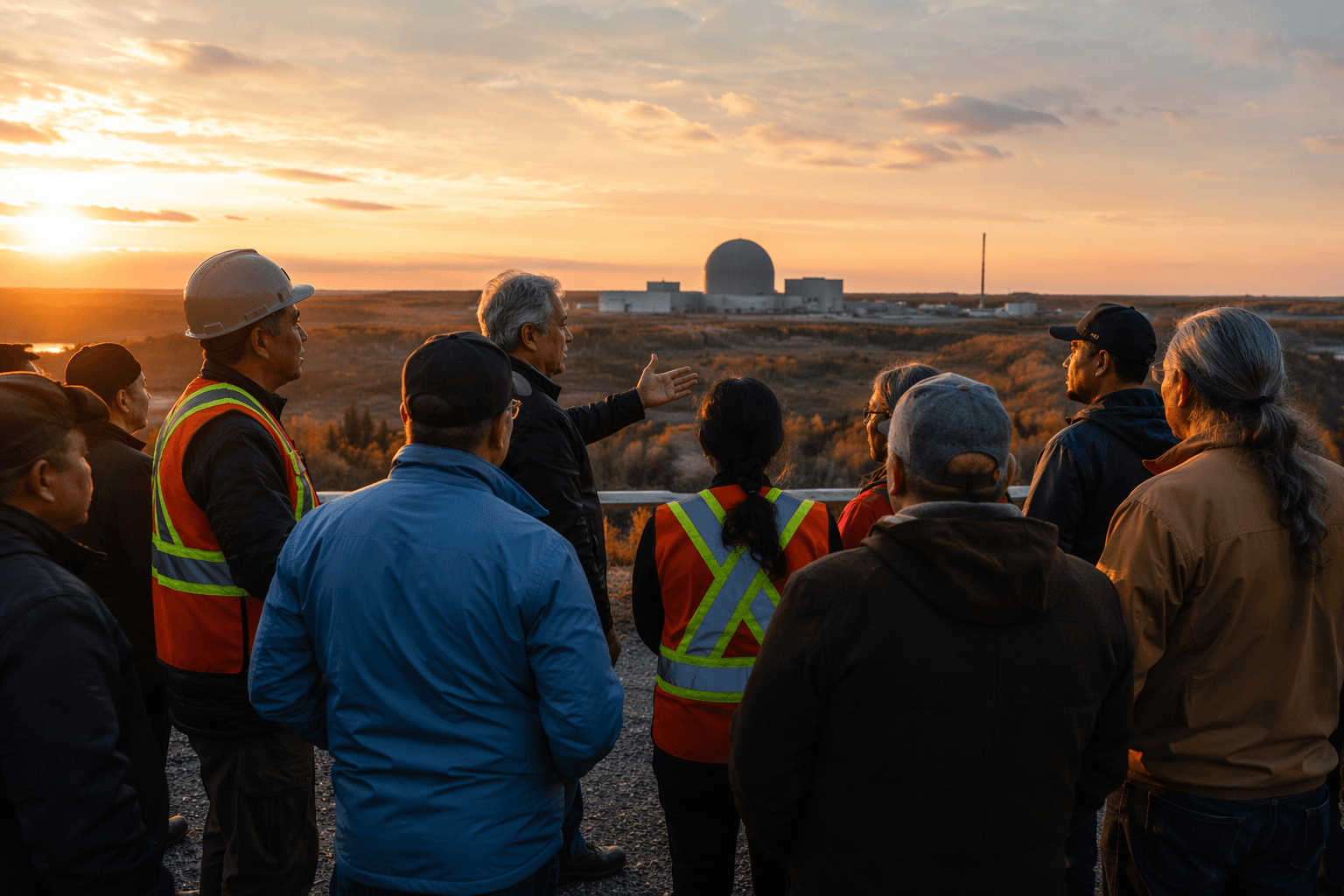
The federal government chose deep geological disposal as Canada’s used-fuel plan in June 2007. The Nuclear Waste Management Organization selected Wabigoon Lake Ojibway Nation and the Township of Ignace as host communities in November 2024 after a 14-year consent-based siting process. The design calls for an underground facility built about 500 to 800 metres below ground and protected by a multiple-barrier containment system.
Eagle Lake First Nation has filed a Federal Court judicial-review application challenging the site decision. Saugeen Ojibway Nation has said nuclear-legacy issues must be resolved before future projects are approved and that the 2024 decision did not commit the nation to new nuclear development on its territory.
The schedule attached to the repository puts the project at about $26 billion, with regulatory work taking seven to 10 years, construction roughly 10 years and operations beginning in the 2040s.
This article was produced by Prism’s automated news system from verified source data, official records, and press releases, then run through automated quality and moderation checks before publishing. The system is built and supervised by the people who set the standards it runs under. Read our full AI policy.
Did this article answer your question?

_70538.jpg&w=1920&q=75)