Commonwealth Fusion Systems joins UK tritium blanket testing programme
CFS became the first international partner in UKAEA’s LIBRTI programme, putting tritium breeder-blanket hardware on the fusion commercialization path.

Commonwealth Fusion Systems became the first international company to join the UK Atomic Energy Authority’s Lithium Breeding Tritium Innovation programme. Tritium is one of the two fuels in most near-term fusion concepts, and because it is scarce, future plants will need breeder blankets that can make more of it from lithium while also absorbing heat and shielding the machine from radiation.
The UKAEA is building the programme around a first-of-a-kind facility at Culham Campus in Oxfordshire, where industry partners will be able to test and verify blanket concepts in a neutron environment meant to resemble a full-scale fusion machine. LIBRTI aims to demonstrate controlled fusion fuel capability through an engineering-scale tritium breeder-blanket testbed, not just model the physics on paper.
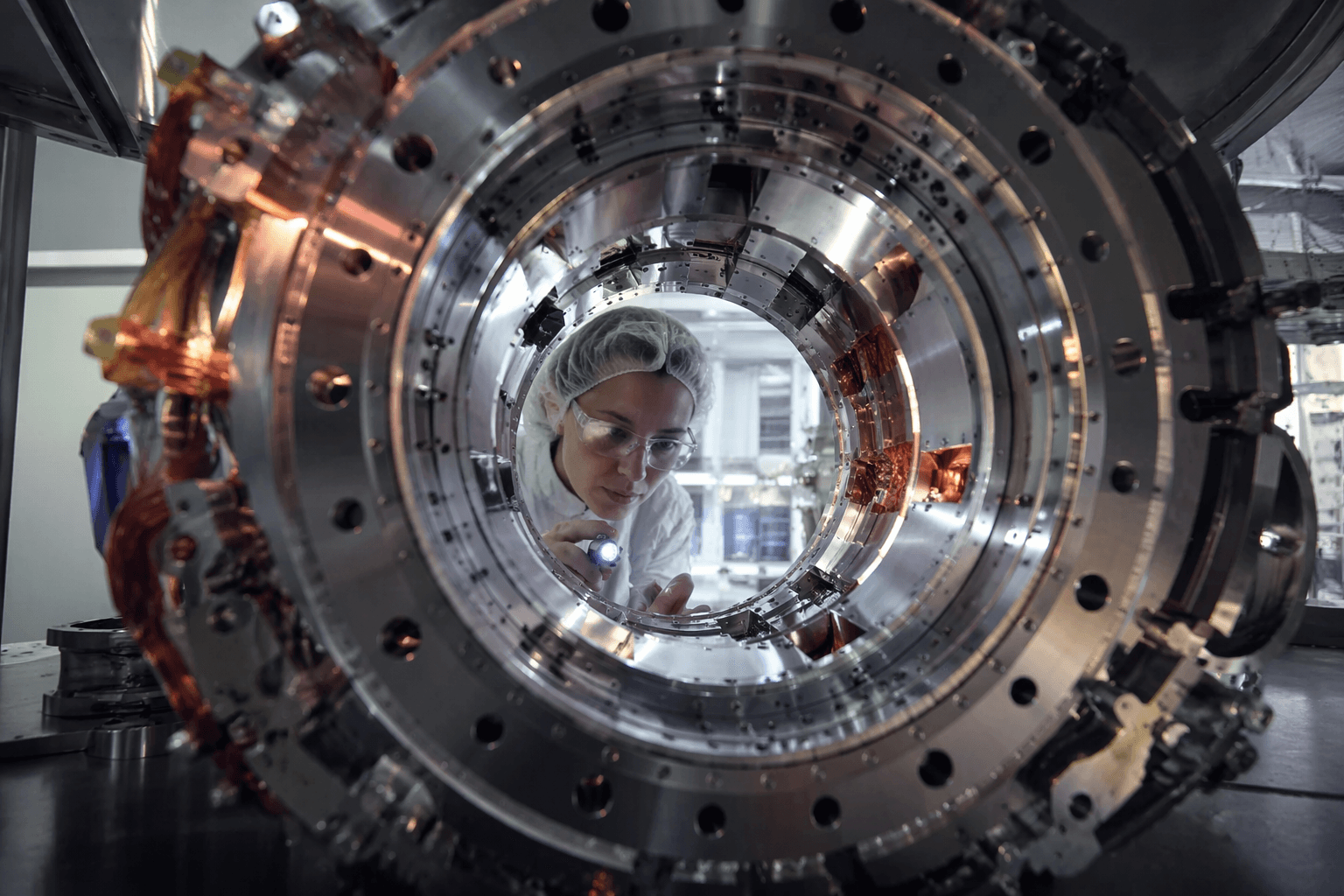
To make that possible, UKAEA has acquired a 14 MeV deuterium-tritium fusion system from SHINE Technologies in Wisconsin, with delivery expected in 2027. The neutron source is intended to produce neutrons at the same energy as those emitted from a fusion machine, giving blanket developers a way to see how candidate materials, structures and tritium-producing concepts hold up under reactor-relevant conditions.
The UK government announced a broader £410 million fusion package on 16 January 2025, including £220 million specifically for LIBRTI. LIBRTI is set to invest about £200 million from 2022 to 2028, and from 2024 to 2026 it had already supported 11 experimental and digital-simulation projects with £8 million. UKAEA's wider Fusion Futures effort has engaged more than 200 industry partners, over 50 universities and more than 1,000 people through skills activity.
CFS, which spun out of MIT in 2018, is building SPARC in Devens, Massachusetts, and expects the machine to reach net energy generation in 2027. Its follow-on plant, ARC, is intended to deliver about 400 MW of grid-connected electricity in the early 2030s, enough to power large industrial sites or about 150,000 homes.
This article was produced by Prism’s automated news system from verified source data, official records, and press releases, then run through automated quality and moderation checks before publishing. The system is built and supervised by the people who set the standards it runs under. Read our full AI policy.
Did this article answer your question?
_70538.jpg&w=1920&q=75)