Fuel loading begins at Slovakia’s Mochovce 4 nuclear plant
The first fuel assembly went into Mochovce 4 at 15:45 local time, moving the long-delayed Slovak unit into active commissioning.
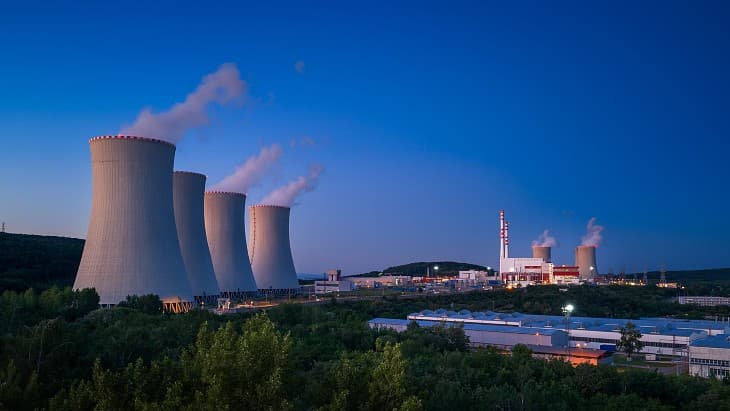
At 15:45 local time on June 29, the first fuel assembly went into Unit 4 of the Mochovce nuclear plant, beginning fuel loading and pulling the long-delayed Slovak reactor into active commissioning. The step moved the reactor from construction to testing and startup.
The Nuclear Regulatory Authority of the Slovak Republic issued commissioning Decision No. 229/2026 on May 22, and it became final on June 24 after the appeal period expired, following 15 days of public notice. Before that approval could stand, the operator had to prove readiness across civil works, installed technology systems, inactive and integrated tests, defect correction, fire and radiation protection, environmental protection, staffing and documentation.
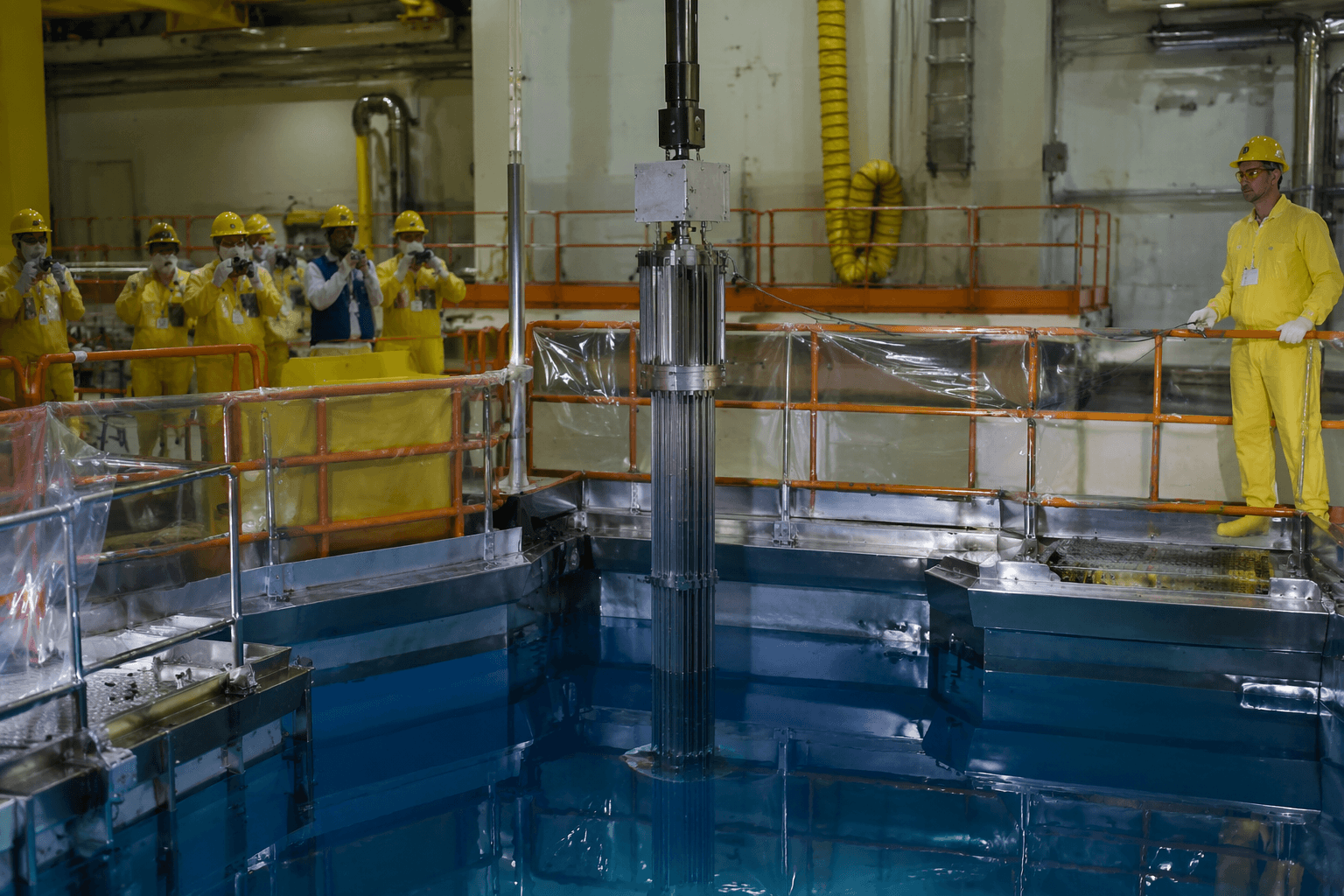
Hot hydro testing began in early 2025 after cold hydro testing, following earlier checks of active and passive emergency safety systems, pressure boundaries, leak tightness, electrical equipment, control systems and other plant systems. Fuel loading now begins startup testing under fuel, the last stretch before the reactor can be connected to the grid.
Mochovce sits in southern Slovakia between Nitra and Levice and already runs Units 1 and 2, which entered service in 1998 and 1999. Units 3 and 4 are VVER-440/V-213 pressurized-water reactors, each planned at 471 MWe. Slovenské elektrárne projects the two new units will cover about 13% of Slovakia’s electricity demand and avoid at least 5 million tons of carbon dioxide a year compared with coal and gas generation. Construction on the pair began in 1986, stopped in 1992, and later resumed after SE/ENEL chose to complete the units in April 2007, with the European Commission giving a positive viewpoint in July 2008 after safety revisions.
This article was produced by Prism’s automated news system from verified source data, official records, and press releases, then run through automated quality and moderation checks before publishing. The system is built and supervised by the people who set the standards it runs under. Read our full AI policy.
Did this article answer your question?

_70538.jpg&w=1920&q=75)