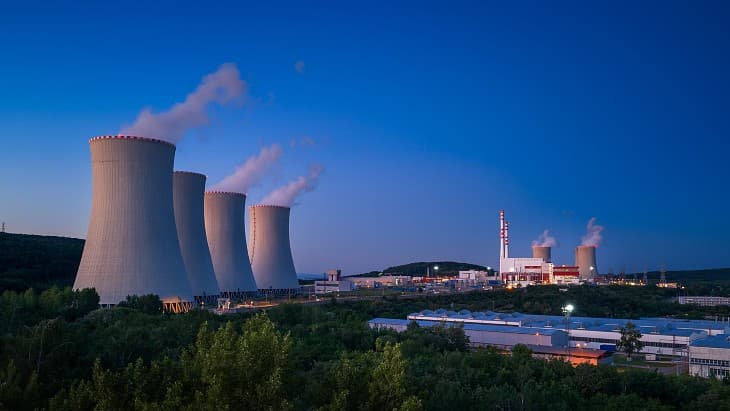
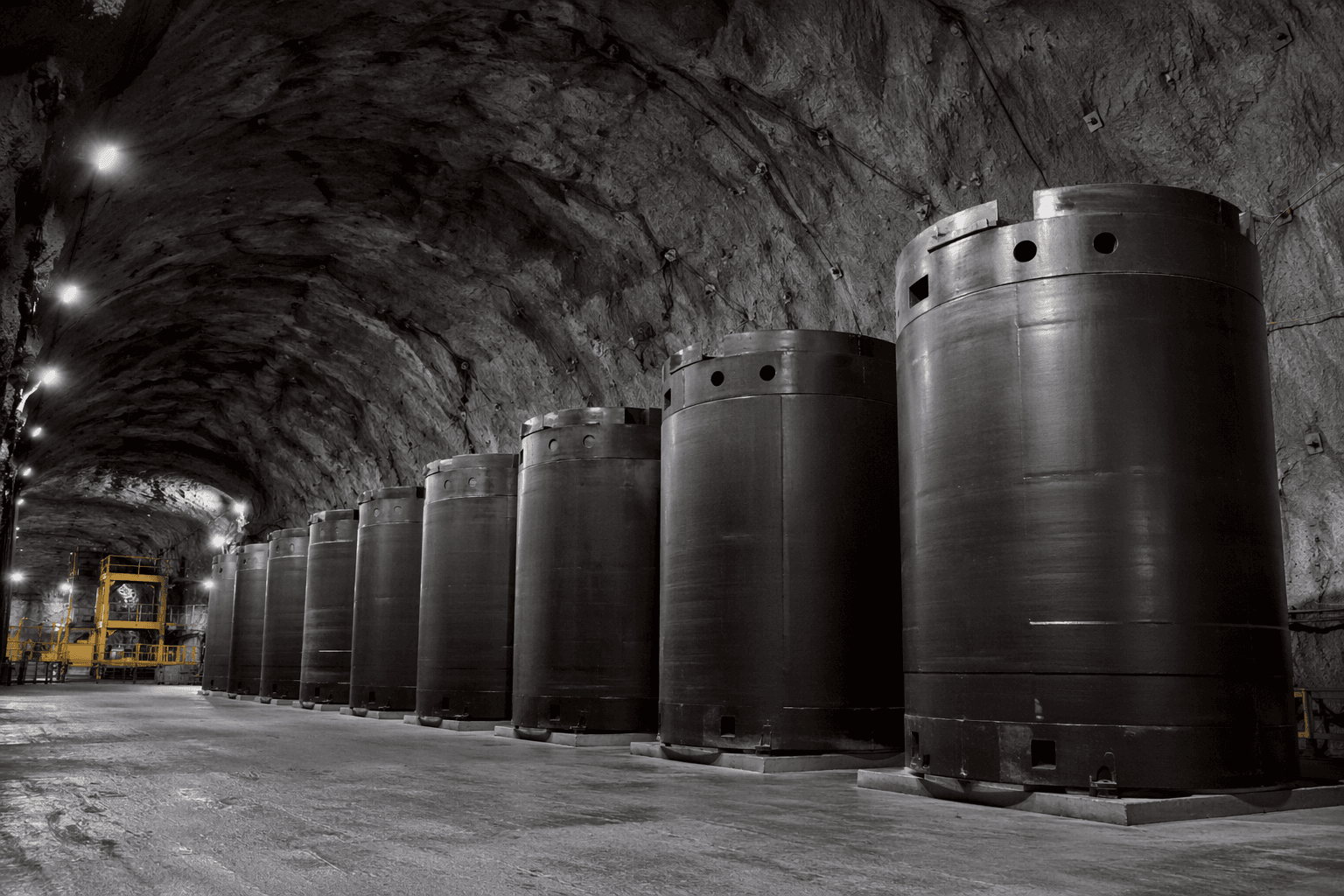
DOE Releases Final Environmental Impact Statement for Los Alamos National Laboratory Operations
NNSA's final environmental blueprint for Los Alamos unlocks three distinct futures for U.S. plutonium processing, from cleanup-only to full capability expansion.
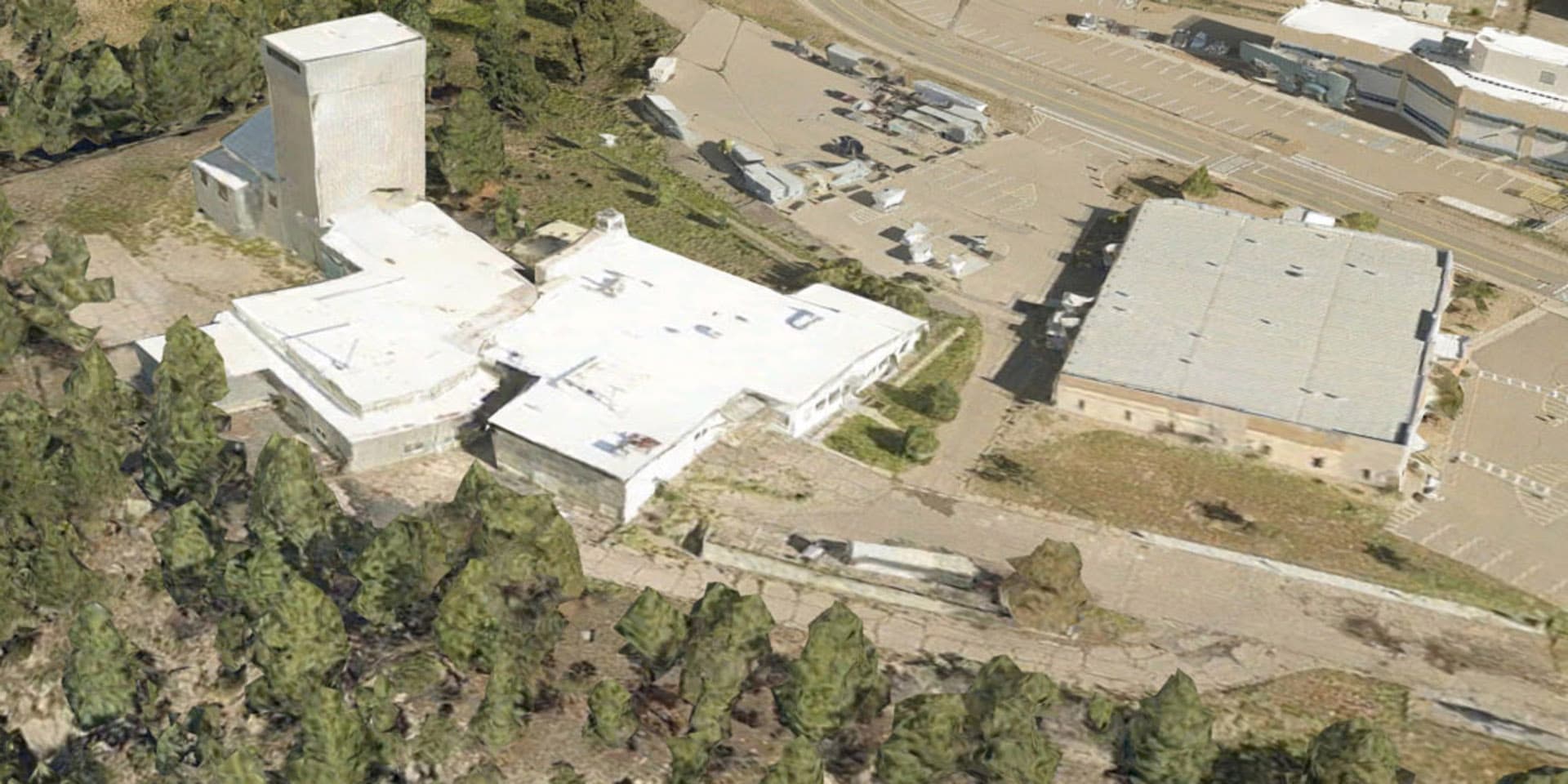
The National Nuclear Security Administration set the legal environmental boundaries for one of America's most sensitive nuclear sites last week, releasing the Final Site-Wide Environmental Impact Statement (DOE/EIS-0552) for Los Alamos National Laboratory in New Mexico. Formally available as of March 25, 2026, with supporting technical volumes dated March 23, the document defines exactly what LANL can build, upgrade, or newly establish under three distinct operational futures.
DOE/EIS-0552 is not a permit. It is the prerequisite for permits. Under the National Environmental Policy Act of 1969, this Final SWEIS functions as the federal government's primary programmatic analysis for every major infrastructure investment, facility upgrade, and mission scope decision LANL will pursue for the foreseeable future. A Record of Decision cannot issue until the comment and decision timeline triggered by this release runs its course.
The three alternatives translate directly into operational consequence. The No-Action Alternative keeps current operations intact: NNSA continues decontamination, decommissioning, and demolition (DD&D) projects, legacy cleanup, and environmental remediation. No new capabilities, but no retreat from the existing obligations that come with decades of nuclear weapons work in northern New Mexico.
The Modernized Operations Alternative adds targeted construction of replacement facilities, upgrades to existing buildings, utilities, and infrastructure, and continued DD&D work on top of the No-Action baseline. This is the path to replacing aging Cold War-era infrastructure with facilities built to current safety and seismic standards without changing what LANL fundamentally does or at what scale it operates.
The Expanded Operations Alternative is the one to read carefully. It encompasses everything in Modernized Operations and adds construction and operation of entirely new facilities designed to push LANL's capabilities beyond what currently exists. NNSA's language is precise: new facilities built to "respond to future national security challenges and meet increasing requirements." For LANL's roles in nuclear stockpile stewardship, plutonium processing, and advanced materials research, this alternative represents the maximum authorized growth envelope. Any future increase in pit production capacity or next-generation materials research infrastructure would require this alternative's authorization.
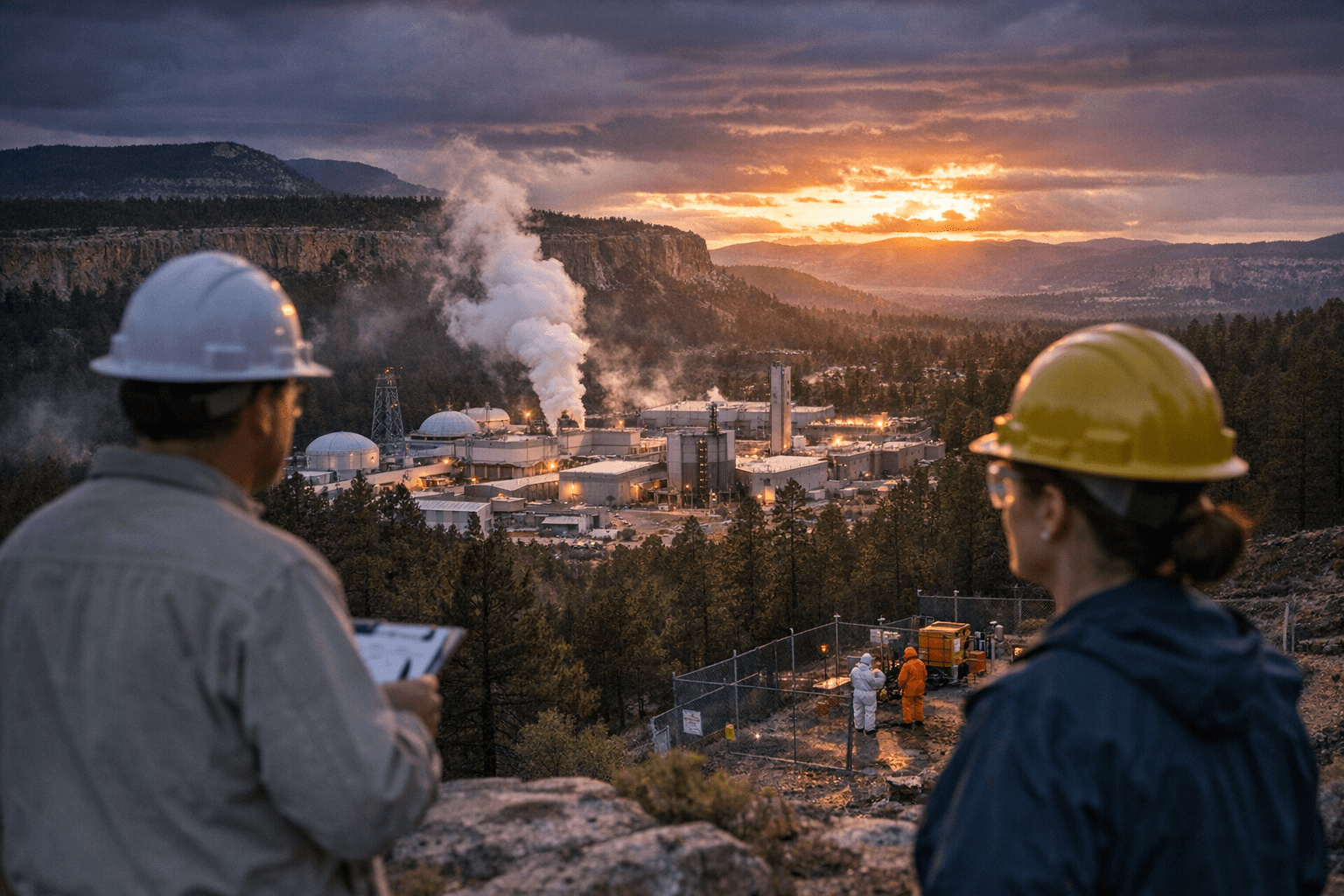
All three scenarios are analyzed across air, water, ecological, cultural, and human health dimensions, consistent with NEPA requirements. The SWEIS identifies proposed mitigation measures, required permits, and mandated consultations with tribal, state, and federal stakeholders. Those consultations are not procedural formalities: they are legally required conditions before a Record of Decision can be issued.
The Record of Decision is the next critical document in this sequence. After DOE and NNSA collect and review public and agency comments triggered by this Final SWEIS release, the ROD formally selects which alternative governs LANL's trajectory. No ROD date, no specific comment period close date, and no cost estimates tied to the Modernized or Expanded alternatives were included in the March 25 availability notice.
That last gap is the one worth pressing. The Final SWEIS defines the environmental envelope, but without published cost figures attached to specific proposed facilities, the financial scale of potential construction and infrastructure upgrades at LANL remains officially unspecified. The full DOE/EIS-0552 technical volumes, hosted through the DOE Office of NEPA Policy and Compliance, contain the facility-level detail, quantitative impact modeling, and mitigation specifics that the availability notice summarizes. The ROD announcement, when it comes, will tell you which alternative DOE selected and what LANL is actually authorized to build.
This article was produced by Prism’s automated news system from verified source data, official records, and press releases, then run through automated quality and moderation checks before publishing. The system is built and supervised by the people who set the standards it runs under. Read our full AI policy.
Did this article answer your question?