DOE revisits stellarators, the fusion machines regaining attention after decades
DOE is dusting off stellarators as fusion's steadier, trickier cousin. Better magnets and fresh federal backing are turning a long-shot concept into a real contender.
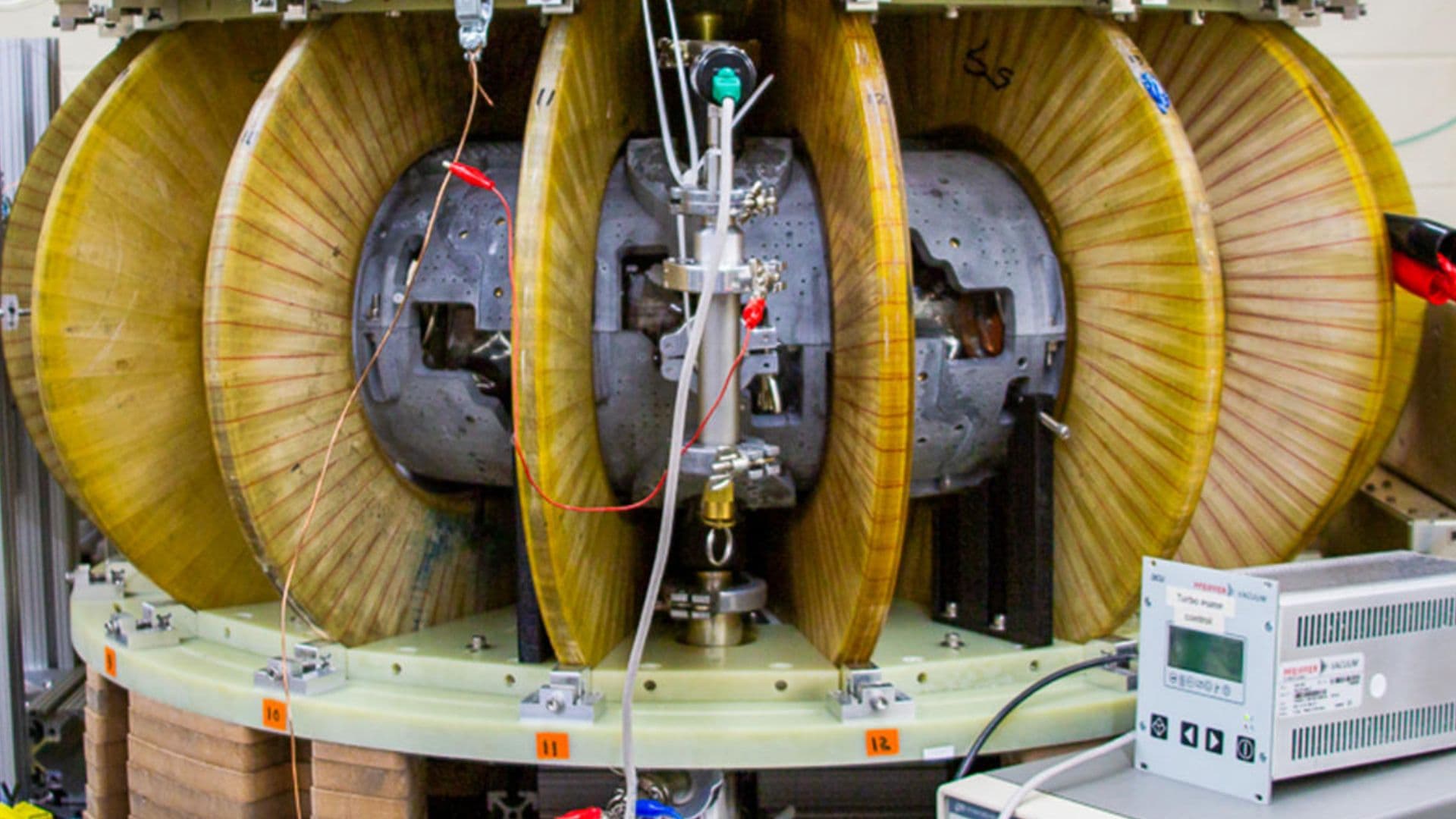
Stellarators are back in the fusion conversation because the engineering tradeoff that once buried them is starting to look survivable. For decades, tokamaks won by doing the harder physics job more efficiently. Now the pitch around stellarators is different: accept a far more complex machine if it can run more steadily, with fewer disruption risks and a path toward continuous operation.
Why DOE is revisiting the old idea
The Department of Energy has used its Basic to Breakthrough series to explain why stellarators, once treated as the complicated alternative to tokamaks, are getting renewed attention. Fusion still carries the same fundamental promise that has driven the field for generations: it is the reaction that powers the Sun and other stars, and recreating it on Earth could open the door to a new power source while also deepening scientists' understanding of the forces that shape the universe.
That basic scientific case has not changed. What has changed is the balance between plasma control and machine complexity. Stellarators are back on the table because the field now has better tools for designing, modeling, and manufacturing the strange coils they require. In other words, the old objection was not that stellarators failed physics. It was that they were brutally difficult to build.
Tokamaks set the standard, but they carry their own weakness
Both leading magnetic-confinement approaches work the same way at the broadest level. Tokamaks and stellarators use powerful magnetic fields to squeeze light elements into plasma, the hot charged state of matter made up of free electrons and atomic nuclei. The difference is in how that magnetic cage is built, and how the plasma behaves once it is inside.
Tokamaks became the dominant design because they confine plasma more tightly and usually produce more energy. DOE notes that the first tokamak, T-1, began operation in Russia in 1958, and later advances at Princeton Plasma Physics Laboratory and the Joint European Torus in England helped motivate ITER, the 35-nation superconducting tokamak project. That history is part of the reason tokamaks still anchor so much of the fusion mainstream.
But the tokamak advantage comes with a serious vulnerability. Princeton Plasma Physics Laboratory describes disruptions as the greatest challenge facing tokamak fusion devices. Those sudden plasma events can damage the machine walls, which is why researchers have spent years trying to understand, predict, and blunt them. For the community, that has created a constant tension: tokamaks may be the most efficient route to strong confinement, but they are also the design most exposed to violent internal instability.
Stellarators were invented early, then sidelined by engineering reality
The stellarator story starts at Princeton in 1951, when Lyman Spitzer, Jr. proposed the concept. DOE says the idea was invented by Spitzer at Princeton University that year, and Princeton Plasma Physics Laboratory's timeline places the formal start of the effort in March 1951, when Spitzer proposed a magnetic plasma device to the Atomic Energy Commission. The AEC approved funding on July 1, 1951, and much of the early stellarator work in the 1950s took place at what is now PPPL under the code name Project Matterhorn.
That code name was fitting. The engineering challenge was immense. Stellarator coils must be highly precise and have complex, spaghetti-like shapes, a design problem that was once too difficult and too expensive to solve at scale. The result was a long period in which the concept remained scientifically elegant but commercially awkward, while tokamaks raced ahead.
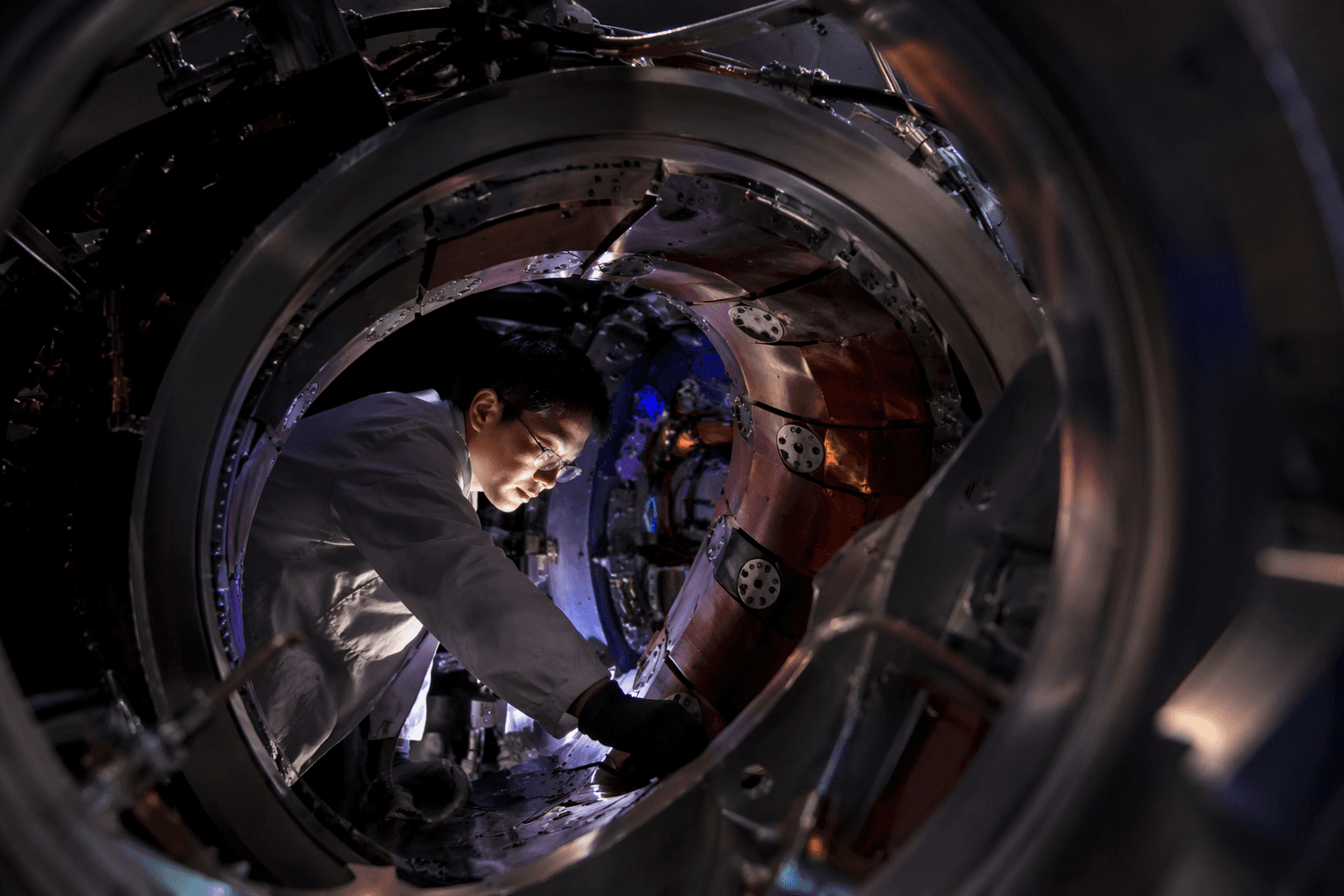
The DOE and ARPA-E case for reconsidering stellarators now is that the old tradeoff is changing. ARPA-E materials describe stellarators as attractive because they have minimal recycling power and auxiliary systems, and no time-dependent electromagnet systems. That matters because simpler operating demands can translate into steadier machine behavior, fewer disruption risks, and less dependence on constantly changing magnetic conditions.
The new stellarator push is really a manufacturing story
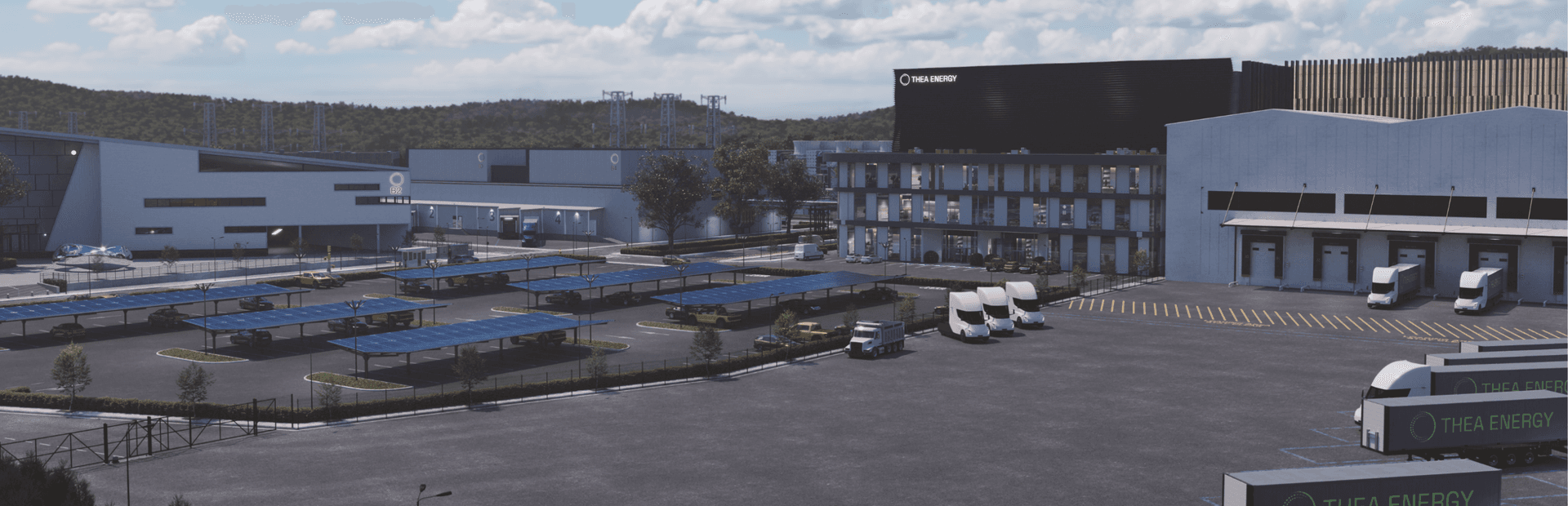
The latest wave of interest is not just about plasma theory. It is also about what modern computation and manufacturing can now do with a geometry that used to be prohibitive. That is where Princeton Plasma Physics Laboratory and Thea Energy come in.
Thea Energy says it was founded in 2022 as a spin-out of PPPL and Princeton University, and that it was formerly known as Princeton Stellarators. PPPL also identifies the company as a PPPL spinoff and says chief technical officer David Gates developed the planar coil stellarator at the lab. That connection matters because planar-coil approaches aim to simplify one of the field's oldest bottlenecks: how to turn an exotic magnetic concept into something physically manufacturable.
The company has moved quickly. It closed a $20 million Series A financing in February 2024 to accelerate planar-coil magnet array manufacturing, integrated stellarator modeling, and team growth. In March 2025, Thea said it demonstrated performance and controllability of a superconducting planar coil magnet array. Then, in September 2025, DOE selected Thea Energy for three INFUSE public-private partnership awards. PPPL had already noted in 2023 that Princeton Stellarators, now Thea Energy, was among the first awardees of DOE's $46 million Milestone-Based Fusion Development Program, an initiative meant to speed pilot power-plant development.
Taken together, those milestones show why stellarators are no longer being discussed only as a curiosity from fusion's early era. The machinery is still complicated, but the ecosystem around it has changed. Better design tools, better fabrication methods, and structured federal support are making the old engineering objection less absolute.
What this says about DOE's strategy
The renewed attention does not mean tokamaks are out and stellarators are in. It signals a broader federal posture: keep the dominant path moving while backing a second magnetic-confinement route that may be better suited to steady-state operation. That looks less like a sudden pivot than a long-horizon hedge, one shaped by the reality that fusion needs not just good plasma physics but reliable hardware.
That is the deeper message in DOE's revisit of the stellarator story. The field is moving from the simple vision of harnessing star power to the harder task of building devices that can confine plasma reliably enough for commercial energy. Stellarators are back because the community can finally see a route, however difficult, from Lyman Spitzer's 1951 idea to machines that might actually run the way a power plant needs them to run.
This article was produced by Prism’s automated news system from verified source data, official records, and press releases, then run through automated quality and moderation checks before publishing. The system is built and supervised by the people who set the standards it runs under. Read our full AI policy.
Know something we missed? Have a correction or additional information?
Submit a Tip