SHINE wins European approval for lutetium-177 radioligand therapy isotope
Europe just gained a new Lu-177 source, with SHINE's Ilumira clearing centralized authorization and putting a 100,000-dose plant into the EU supply picture.
Europe’s lutetium-177 supply chain just picked up a new node with real weight behind it. SHINE Technologies said on May 29, 2026 that Ilumira, its non-carrier-added lutetium-177 product, had received Centralized Marketing Authorization in Europe, a green light that lets the isotope be sold across the European Union.
The timing matters because Ilumira is not a finished drug that goes straight into a patient. The European Medicines Agency describes it as a solution containing lutetium-177 chloride used to radiolabel other medicines, the carrier compounds that deliver radiation to a tumor site or support imaging. That makes the authorization a practical milestone for hospitals, radiopharmaceutical developers, and isotope buyers that depend on a steady stream of Lu-177 for established radioligand therapy programs in neuroendocrine tumors and prostate cancer.
The commission’s authorization date was March 26, 2026, according to the EMA’s Ilumira EPAR status page. SHINE had already filed its centralized application before the decision, and the approval now turns that paperwork into a route to market. For European centers that already use Lu-177-based therapies, the immediate question is not whether the science exists. It does. The question is how quickly another supply source can be folded into routine ordering, shipment, and dosing schedules without disruption.
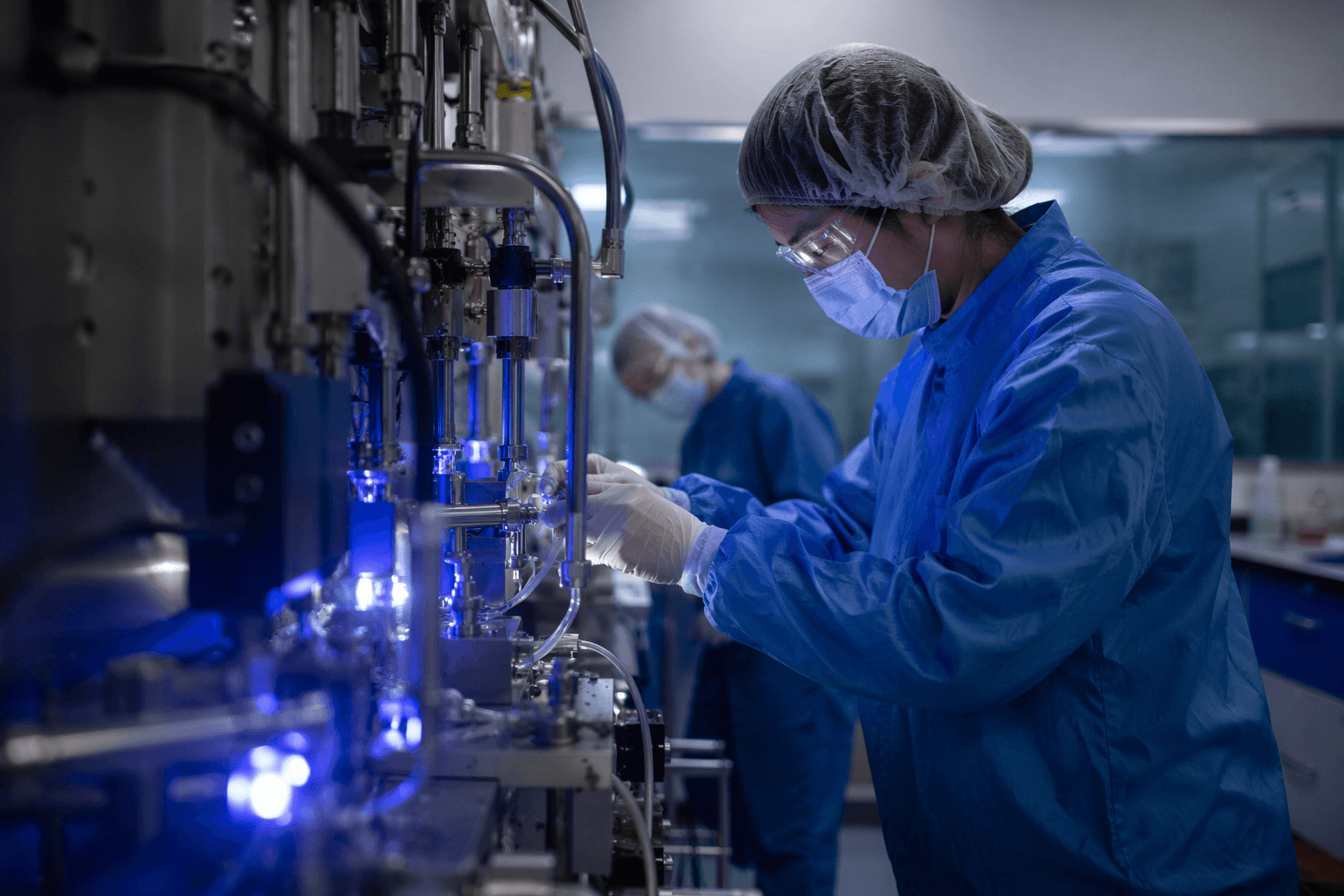
That is where SHINE’s Cassiopeia plant in Janesville, Wisconsin, comes in. The facility opened in 2024, and an IAEA profile says it is the largest production facility for non-carrier-added lutetium-177 in North America, with capacity for up to 100,000 patient doses a year. SHINE has previously said it could expand that to 200,000 doses annually. If the company can actually push material across the Atlantic at scale, the approval gives Europe a better shot at treating radioligand therapy like a reliable industrial supply chain instead of a sequence of anxious one-off isotope hunts.
SHINE is also building the rest of the stack around that core. In January, it expanded into diagnostics by acquiring Lantheus’ SPECT business, including TechneLite, Cardiolite, NEUROLITE, Xenon Xe-133, part of the North Billerica, Massachusetts campus, and Canadian operations. SHINE said that business will use Mo-99, Xe-133, and other isotopes from Chrysalis, its planned fusion-based production platform. The immediate milestone is Europe’s authorization, but the real test now is whether SHINE can convert it into dependable Lu-177 supply while the broader market keeps competing for the same isotope.
This article was produced by Prism’s automated news system from verified source data, official records, and press releases, then run through automated quality and moderation checks before publishing. The system is built and supervised by the people who set the standards it runs under. Read our full AI policy.
Know something we missed? Have a correction or additional information?
Submit a Tip