System One expands nuclear team with three veterans as project demand rises
System One added three nuclear veterans as demand grows in SMRs, outages, spent fuel storage and field services, signaling a tightening race for talent.
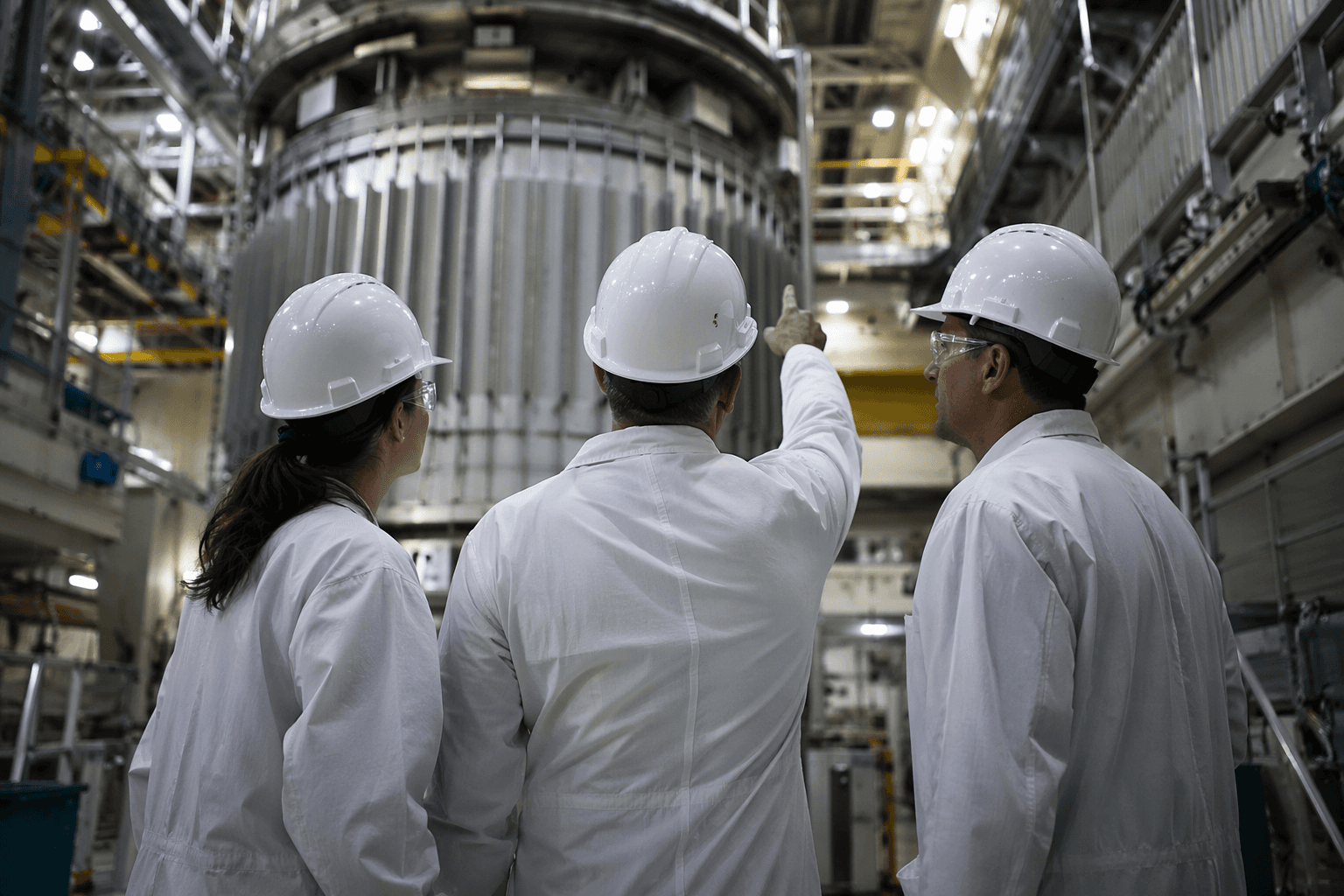
Three veteran hires tell a bigger story than a staffing update: System One is betting that the hottest work in nuclear now sits in outages, restarts, spent fuel storage and the first wave of small modular reactor projects.
The company said May 26 that it brought in Will Knopfel, John Reeves and Vince Bilovsky to expand its nuclear leadership team and deepen capabilities in small modular reactors, outages and restarts, spent fuel management and next-generation field services. System One, which says it has more than 40 years of nuclear and critical infrastructure experience, is positioning the move as support for a full lifecycle business that runs from licensing and construction through operations, maintenance and decommissioning.
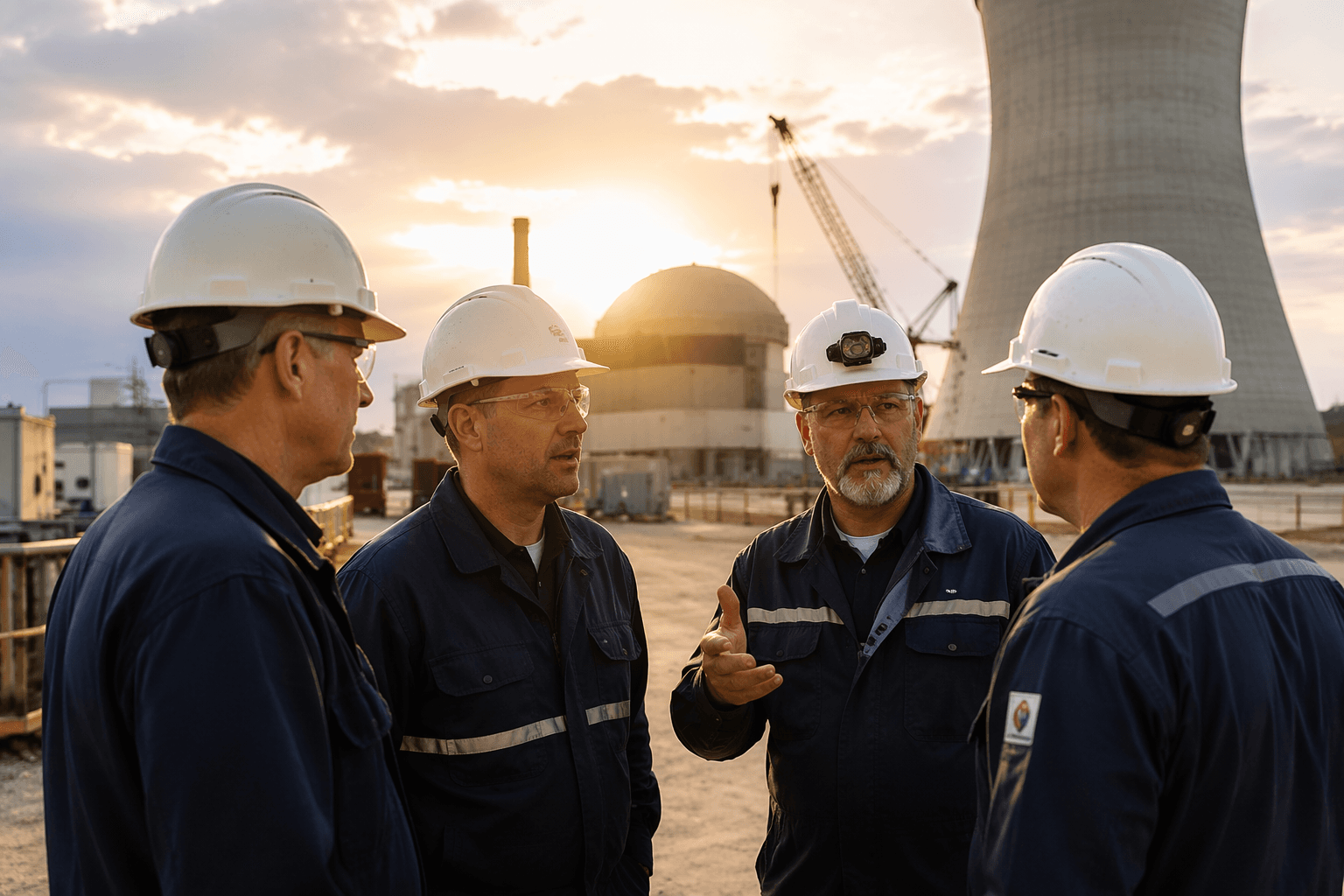
Knopfel arrives from GE Vernova Hitachi Nuclear Energy with outage services experience across refueling, maintenance, inspection, nondestructive testing and quality assurance for both boiling water reactor and pressurized water reactor technologies. Reeves brings three decades in commercial nuclear, along with relationships across major utilities and experience in outage planning, field engineering, plant modifications, advanced welding and business development. In a market where outage windows are tight and every critical path task has to land cleanly, those are not generalist credentials. They map to the exact execution work that keeps plants moving.
Bilovsky’s specialty points to another pressure point in the market: independent spent fuel storage installation services. As more plants manage decommissioning, compliance and longer on-site storage timelines, that work has become a technical lane of its own. The Nuclear Regulatory Commission reviews ISFSI license applications for safety and environmental protection, and it evaluates dry-storage systems against hazards including floods, earthquakes, tornado missiles and temperature extremes. That makes spent fuel work less of a back-office function and more of a disciplined engineering and licensing challenge.
The hiring also lands in a market that is visibly pulling on more labor. The U.S. Energy Information Administration published an update April 27 on small modular reactors and microreactors under development in the United States, keeping the SMR pipeline very much alive. The Department of Energy’s 2025 U.S. Energy & Employment Report drew on responses from more than 42,800 business representatives and warned that aging workers, high retirement rates and shortages of skilled entrants are already constraining nuclear deployment. The International Energy Agency has said the broader energy sector is especially exposed to shortages in applied technical jobs such as electricians and pipefitters.
System One’s three new hires fit that strain. Mark Fenske’s team is not just adding senior names, it is stocking the benches for the work packages that are getting harder to fill. In this market, the scramble is no longer only for reactors. It is for the people who know how to get them refueled, restarted, built and safely parked for the long haul.
This article was produced by Prism’s automated news system from verified source data, official records, and press releases, then run through automated quality and moderation checks before publishing. The system is built and supervised by the people who set the standards it runs under. Read our full AI policy.
Know something we missed? Have a correction or additional information?
Submit a Tip