Thea Energy raises $100 million to build stellarator fusion plants
Thea's $100 million round is funding a second New Jersey magnet factory, a site pick for Eos later this year, and the next industrial step for stellarators.
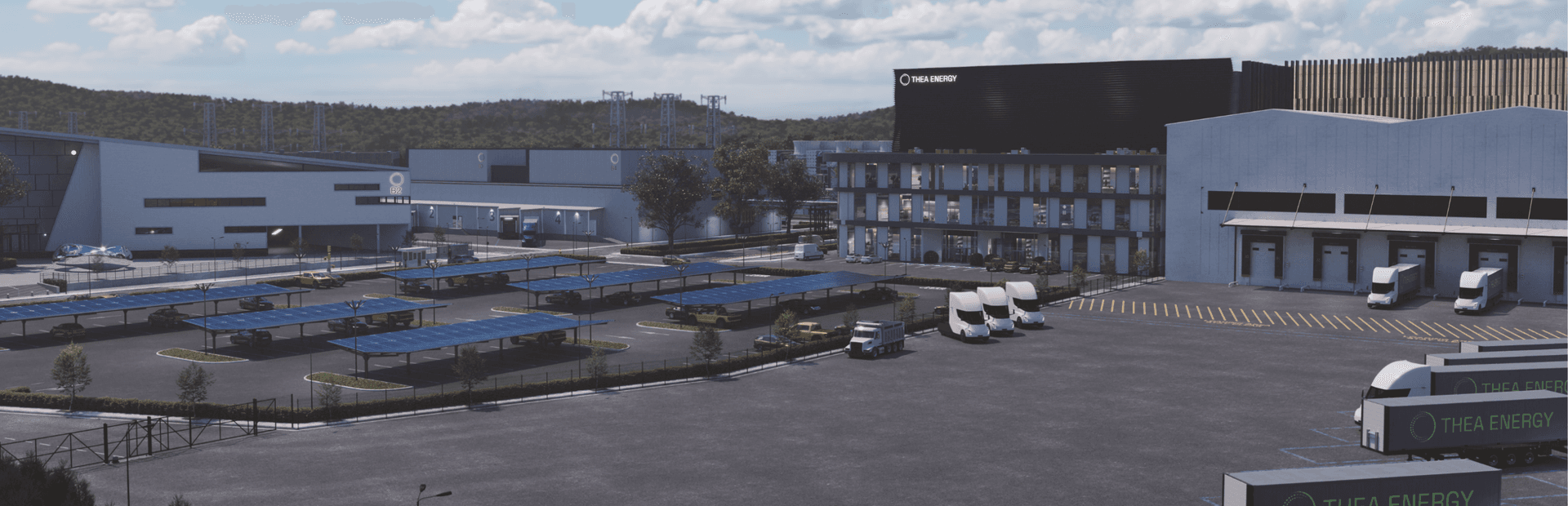
Thea Energy’s $100 million Series B is buying something fusion companies rarely get to name so concretely: more magnet capacity, a second factory in Northern New Jersey, and a site decision for Eos later this year. That turns the raise from a headline number into a build schedule, with the Princeton spinout now trying to move its planar-coil stellarator hardware out of the lab and into repeatable construction.
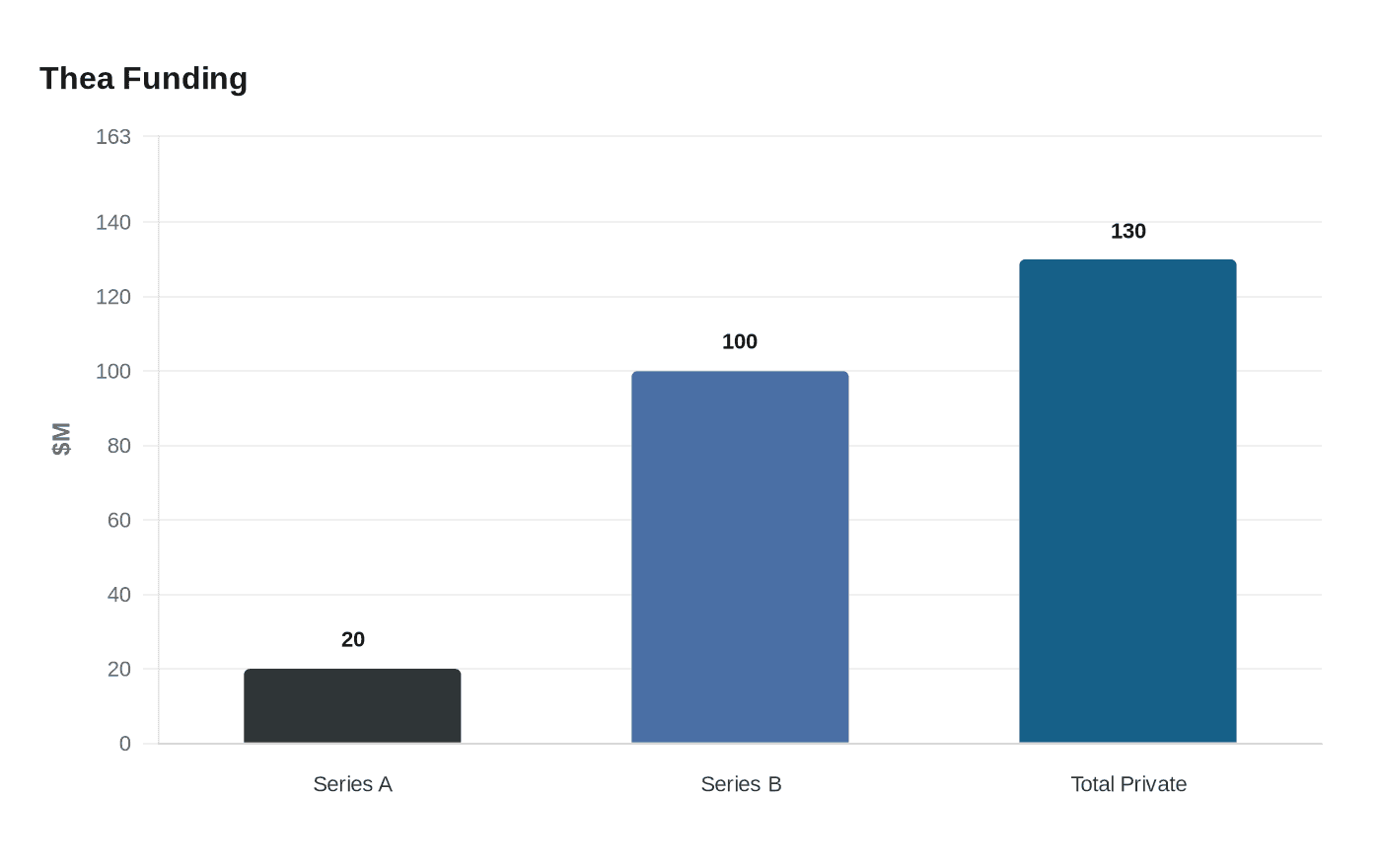
The round was led by US Innovative Technology Fund and included General Innovation Capital Partners, Linse Capital, Calm Ventures, Climate Capital, Divergent Capital, Emerald Technology Ventures, Gaingels, Idemitsu Kosan, Overlay Capital, Timescale Ventures and Whatif Ventures. Thea said the cash will expand its magnet manufacturing infrastructure, help support the siting and construction of Eos, and double the company’s team as it pushes toward commercial deployment. After the Series B, Thea’s total private investment now stands at $130 million, a sign that investors are still willing to back long-duration fusion hardware when the milestones look physical instead of purely conceptual.
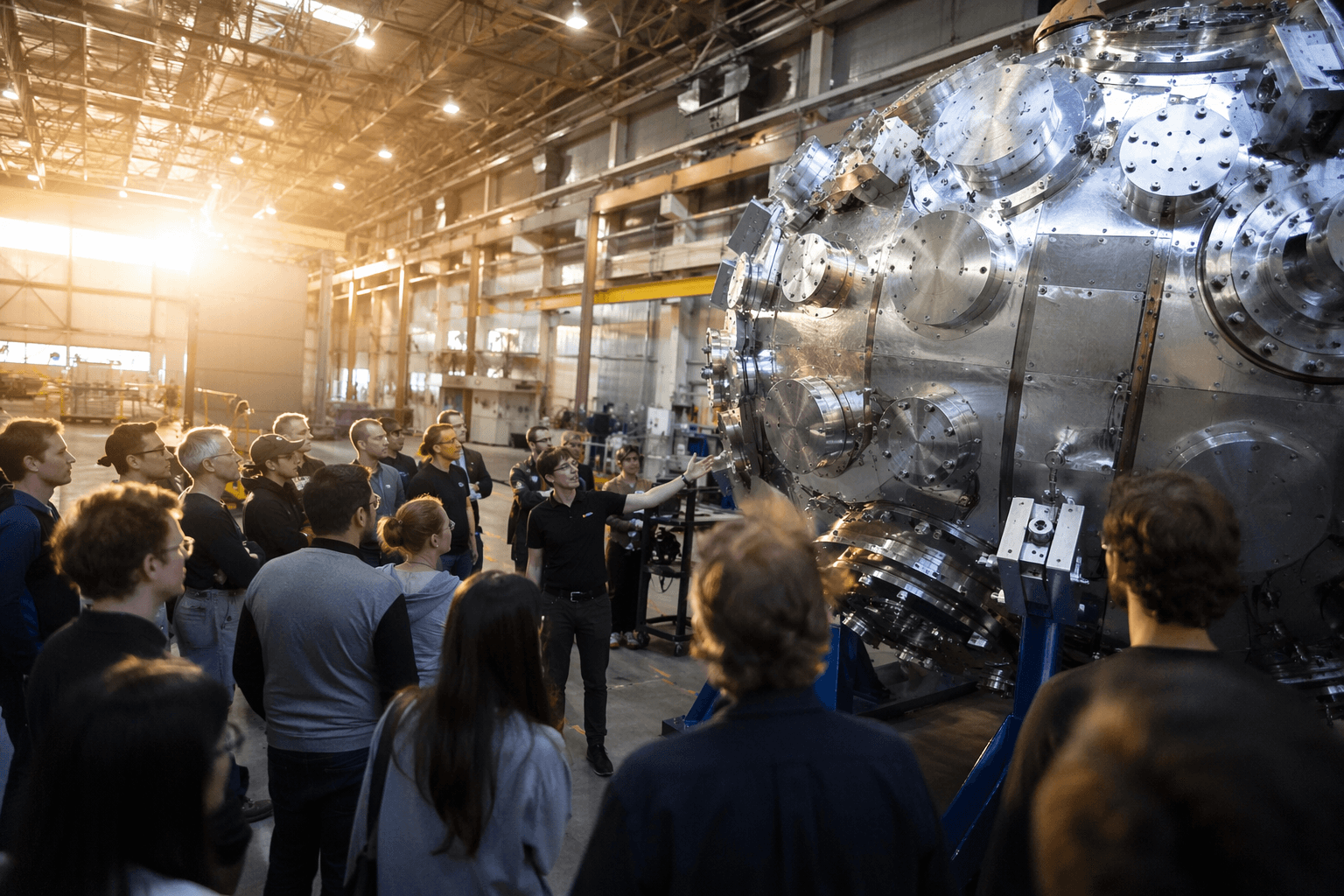
That matters because Thea has been working toward hardware milestones in public for more than two years. Founded in 2022 as a spin-out of Princeton Plasma Physics Laboratory and Princeton University, where the stellarator was originally invented, the company raised a $20 million Series A on February 8, 2024, led by Prelude Ventures, to accelerate planar coil magnet array manufacturing, integrated stellarator modeling and team growth. In January 2026, Thea said the U.S. Department of Energy had certified its fusion pilot plant preconceptual design, making it the first awardee in the DOE Milestone-Based Fusion Development Program to clear that review.
The next step is Eos, which Thea describes as its first integrated fusion system and a neutron-source stellarator meant to de-risk Helios, the company’s first commercial fusion power plant. Thea’s public materials say Helios is being designed for the 2030s, with about 400 MW of net electricity, 1.1 GW of total thermal output and an 8-meter major radius. TechCrunch reported that the company is now targeting a commercial reactor by 2034.
That is the real test behind this financing: whether Thea can turn a DOE-certified design, a named demonstration system and a second New Jersey factory into a steadier manufacturing rhythm for stellarators. The money is important, but the site choice for Eos later in 2026 is the milestone that will show whether this program is becoming a plant-building business rather than just another ambitious fusion round.
This article was produced by Prism’s automated news system from verified source data, official records, and press releases, then run through automated quality and moderation checks before publishing. The system is built and supervised by the people who set the standards it runs under. Read our full AI policy.
Know something we missed? Have a correction or additional information?
Submit a Tip