EDF, Technip Energies sign EPR2 reactor delivery agreement
EDF has brought Technip Energies into EPR2 delivery, with a framework deal aimed at tighter construction control after Flamanville-style overruns.
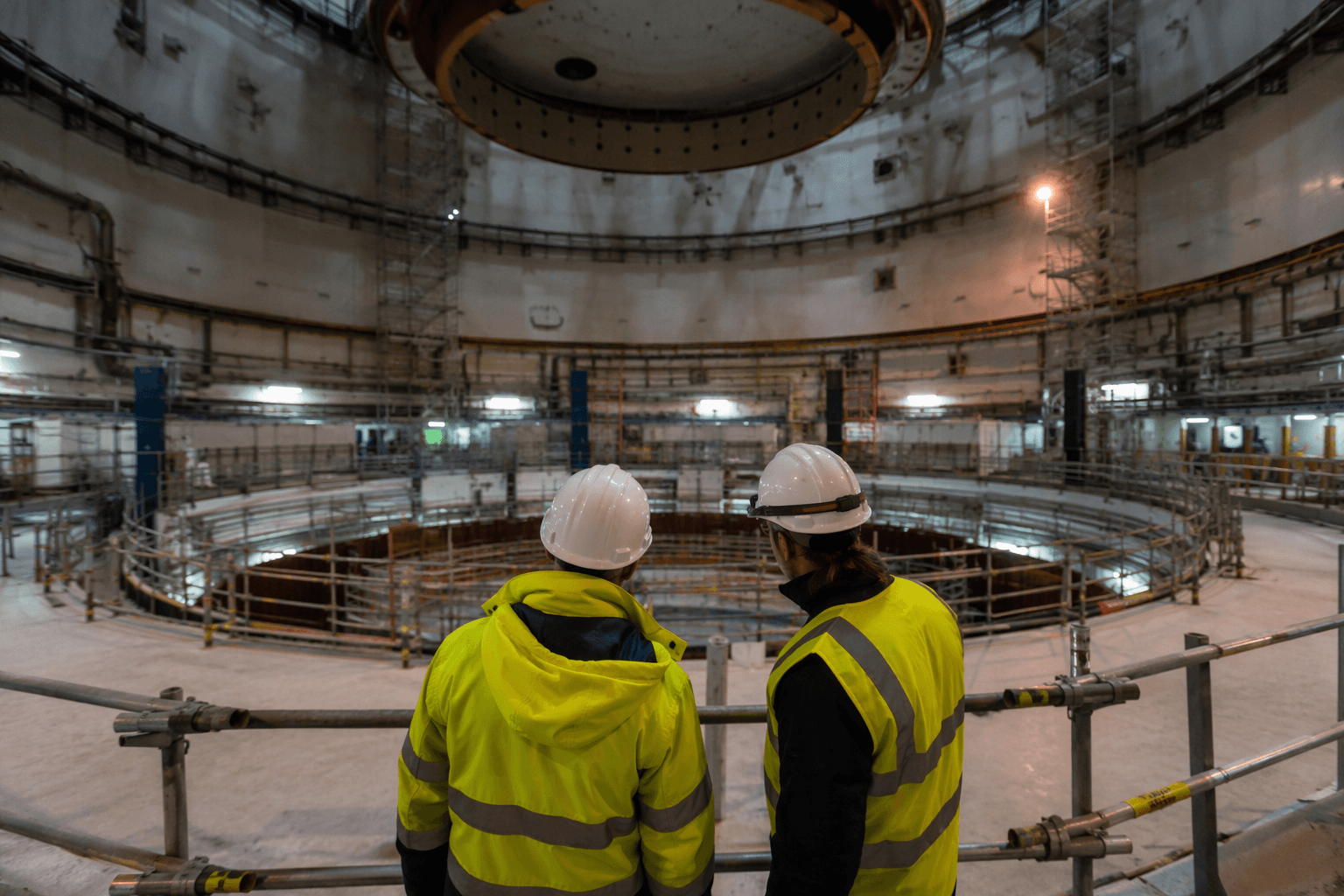
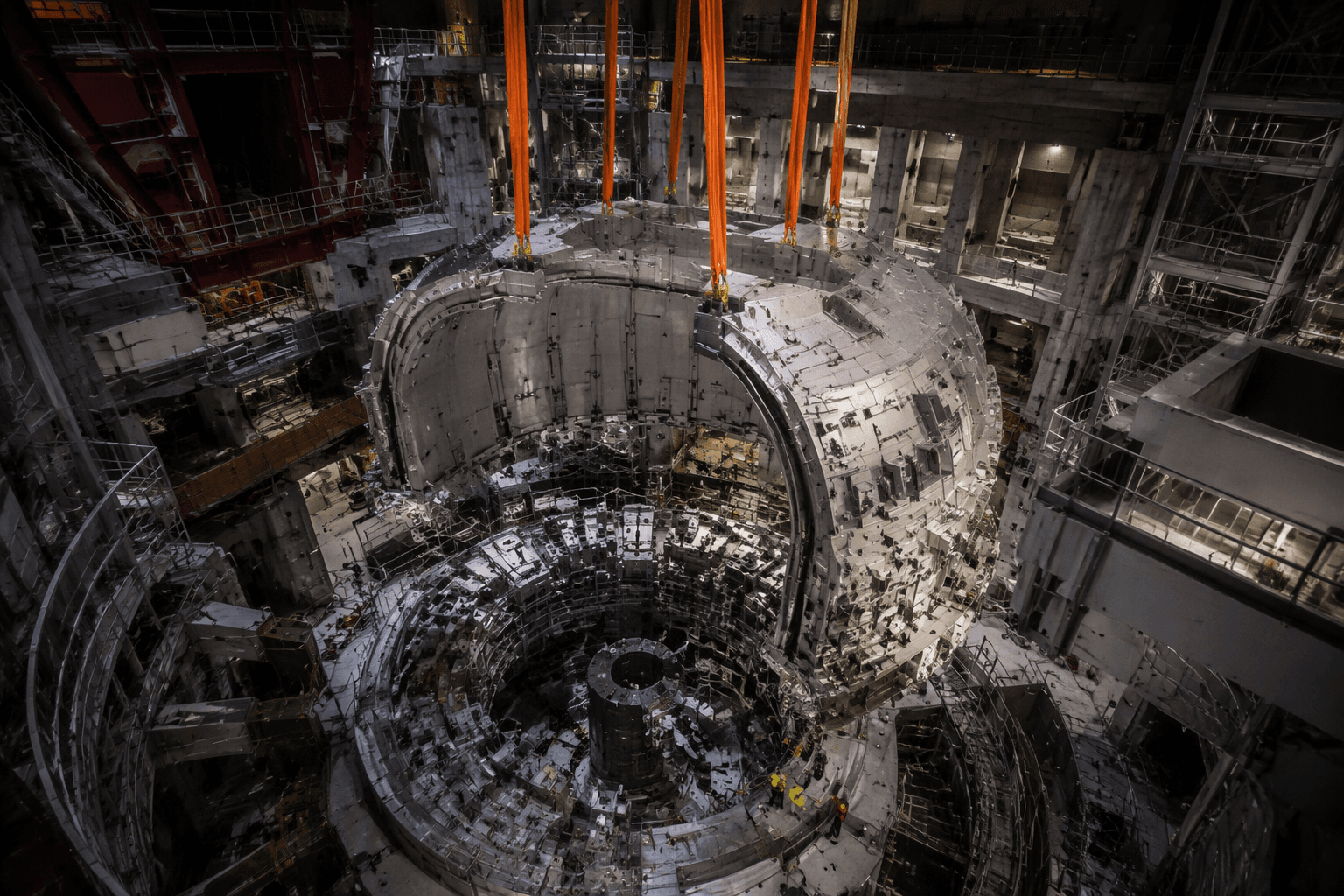
EDF and Technip Energies have signed a strategic framework agreement to support execution, construction management and delivery of EDF’s EPR2 reactor construction programme. For a reactor line that has to move from paper design to repeatable builds, the real test is whether this adds harder project control, not just another name to the roster.
The EPR2 is EDF’s next-generation pressurized-water reactor design, and the French program around it is already set on a large industrial footprint. France’s Nuclear Policy Council, chaired by Emmanuel Macron, agreed in February 2022 to support a nuclear revival and six EPR2 reactors, with the first pair planned for Penly in Normandy. EDF’s broader six-reactor plan also includes Gravelines and Bugey, and a public debate document for Gravelines described that project as the second in the new nuclear reactor programme after Penly’s 2022 to 2023 public debate.
That scale has made delivery credibility central. EDF said in December 2025 that its preliminary cost estimate for the six EPR2 reactors was EUR72.8 billion, and that the figure would be audited in the first quarter of 2026 by the French Interministerial Delegation for New Nuclear, known as DINN. EDF and the French government have targeted commissioning of the first EPR2 units in 2038, a date that matches the Nuclear Policy Council’s decision to push commissioning back by three years.
The Technip Energies agreement lands against the backdrop of EDF’s older EPR projects, especially Flamanville in France and Olkiluoto in Finland, which became shorthand for delays and overruns. In that context, bringing in a major engineering and technology contractor points to specific weaknesses EDF is trying to shore up: constructability reviews, interface management, sequencing and the kind of repeat-build discipline that large reactor programs need if schedules are going to hold.
EDF has also been widening the industrial net around EPR2. In November 2025, it signed additional EPR2-related contracts with several companies at the World Nuclear Exhibition, underlining that the program is being built as a network of delivery partners rather than a standalone reactor design exercise. France gets about 70% of its electricity from nuclear energy, so the question now is whether EDF is finally building a more executable reactor program, or simply adding one more strategic partner to an already crowded field.
This article was produced by Prism’s automated news system from verified source data, official records, and press releases, then run through automated quality and moderation checks before publishing. The system is built and supervised by the people who set the standards it runs under. Read our full AI policy.
Did this article answer your question?