ITER installs sixth tokamak module, fusion reactor assembly races ahead
ITER slid its sixth sector module into the tokamak pit, putting two-thirds of the plasma chamber in place nearly six months early.
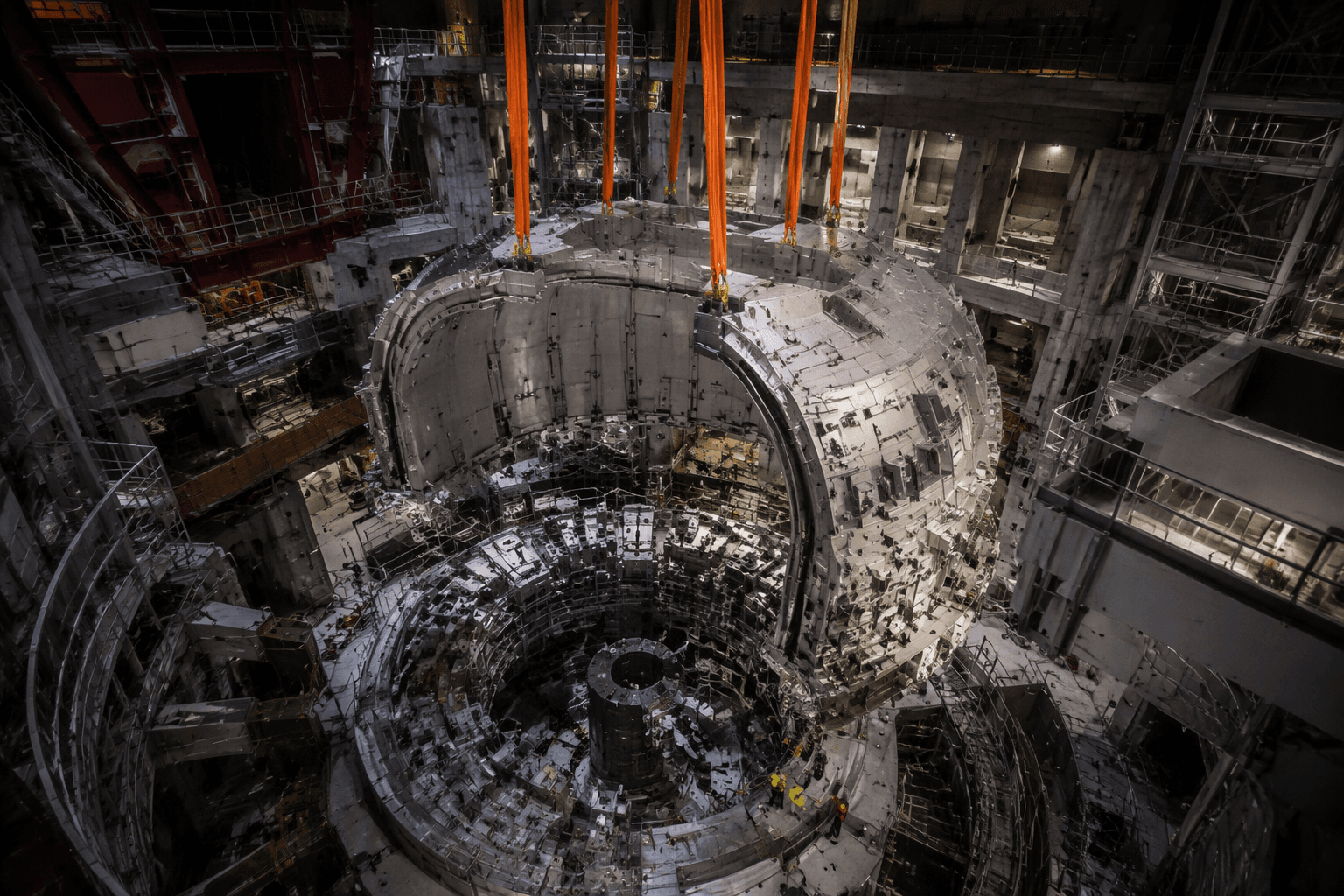
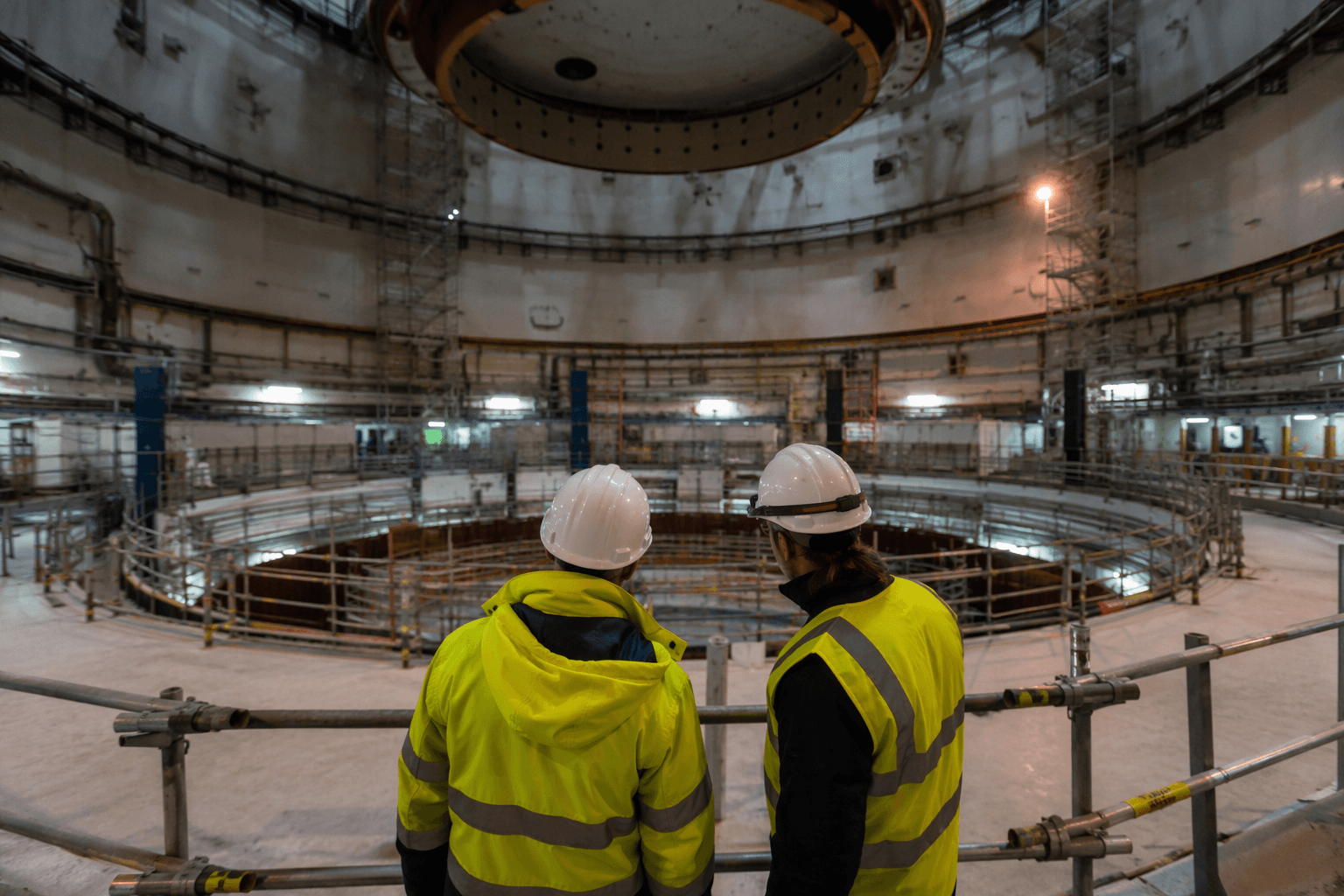
ITER has installed the sixth of nine tokamak sector modules in the reactor pit, putting two-thirds of the plasma chamber in place and keeping the fusion machine almost six months ahead of schedule. The final sector is now slated for installation in about a year, a pace that shows the project’s core assembly is moving fast once the heavy hardware reaches Cadarache in southern France.
The sector modules form ITER’s tokamak vacuum vessel, the first safety containment barrier around the plasma chamber. ITER’s assembly material says the finished vessel will contain about 1,400 cubic metres of internal volume and will be built from nine wedge-shaped steel sectors that stand more than 14 metres high and weigh about 440 tonnes apiece. That scale makes each lift a major milestone on its own, not just a routine construction step.
ITER said the sixth module began its transfer into the tokamak pit at 7:00 a.m. on Monday, 27 July, and that the operation progressed smoothly. By the end of the lift, the module was in its final position inside the pit, bringing the chamber to two-thirds completion. The fifth sector module had landed in the pit on 27 May 2026, showing how quickly the sequence has accelerated as the assembly line for the machine’s central vacuum vessel has settled in.
Nuclear Engineering International said the 1,100-tonne module was lifted into the pit in a 30-hour operation and that ITER was then expecting to place the final sector module by mid-2027. That leaves three sector modules still to go, and every remaining lift carries the same risk profile as the earlier ones: a massive component, tight alignment tolerances, and a choreography measured in millions of data points rather than rough manual adjustment.
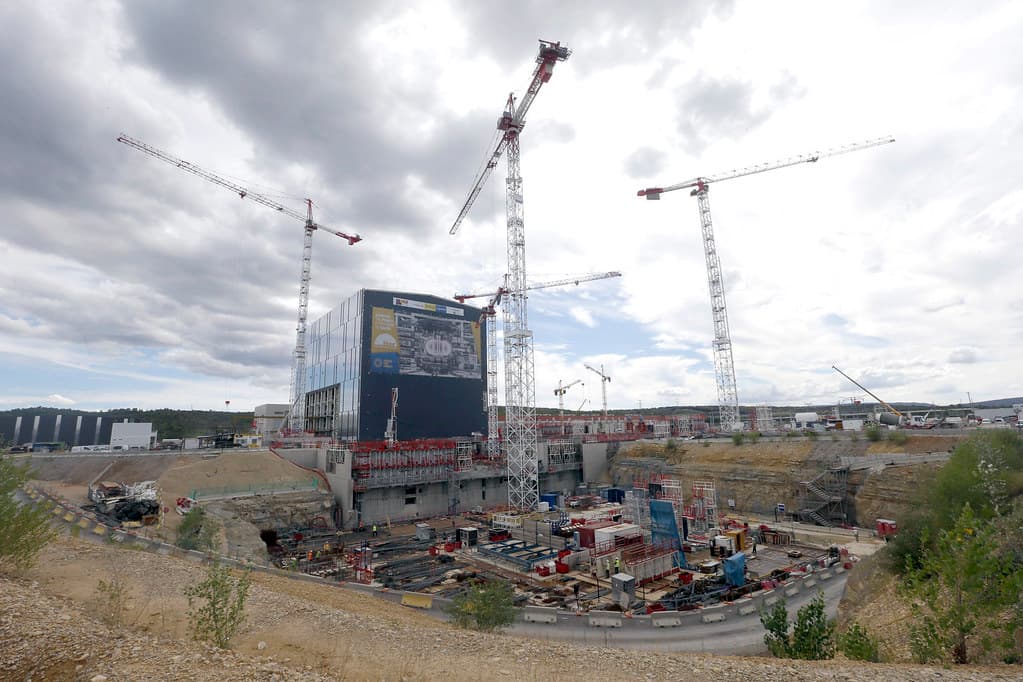
The progress matters because ITER has spent years talking about milestones that were often still on paper. Its 2024 updated baseline pushed research activities to 2034, while an earlier schedule had aimed for first plasma as early as 2025. With six sector modules now in place, the project is visibly moving from component delivery into reactor assembly, but the last three sector installations and the final vacuum vessel closure still have to land cleanly before the schedule can keep its current pace.
This article was produced by Prism’s automated news system from verified source data, official records, and press releases, then run through automated quality and moderation checks before publishing. The system is built and supervised by the people who set the standards it runs under. Read our full AI policy.
Did this article answer your question?