NASA and Radiant get HALEU for Mars and microreactors
DOE’s third HALEU round backed NASA’s Mars reactor concept and Radiant’s military microreactor, clearing a fuel path for testing and deployment milestones.
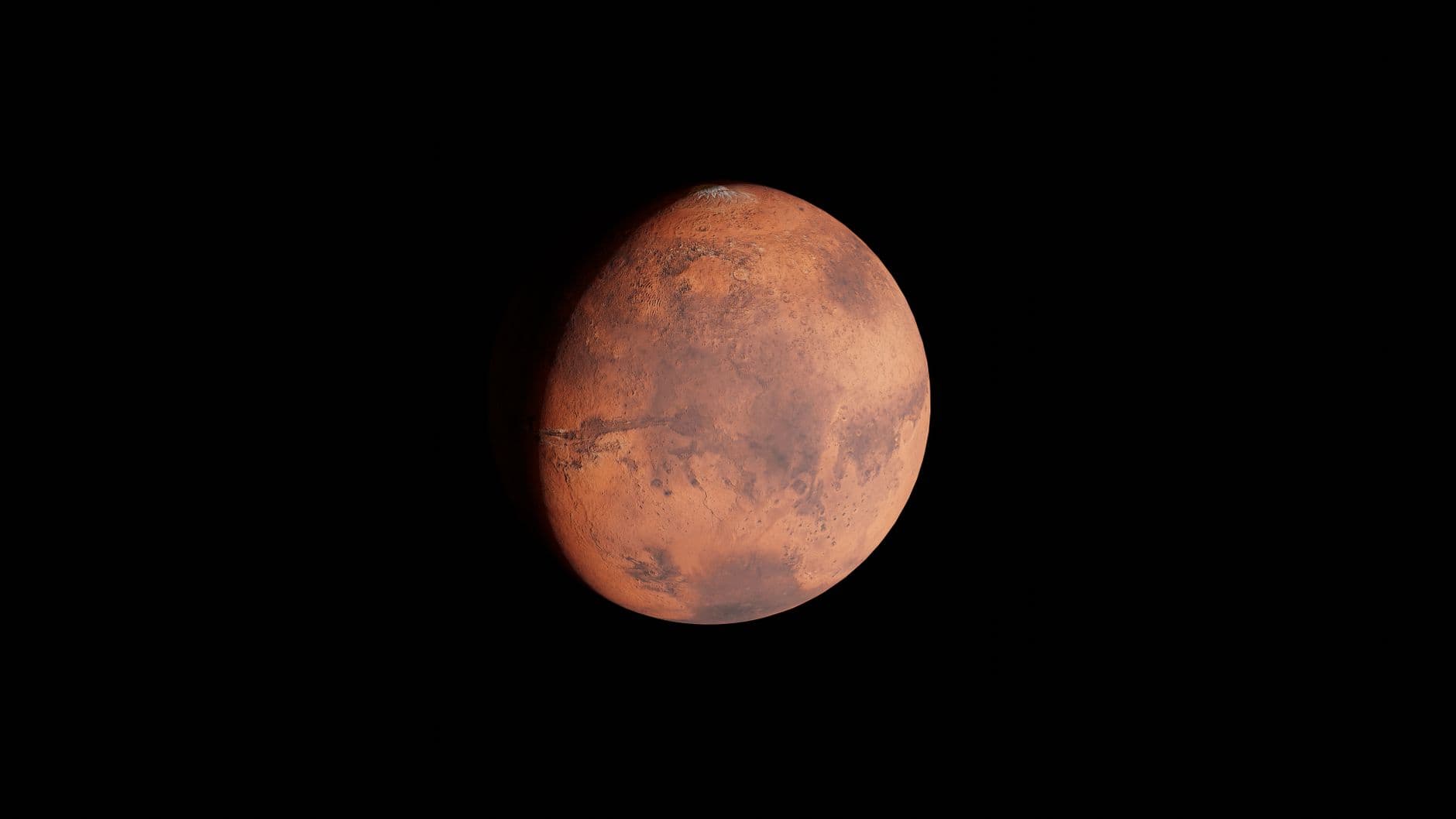
The U.S. Department of Energy on July 23, 2026 made its third round of conditional HALEU commitments, splitting scarce high-assay low-enriched uranium between NASA and Radiant Industries. The move sends a clear signal about where the federal fuel pipeline is being aimed first: a nuclear-powered mission to Mars and a portable microreactor for the U.S. Air Force. For both programs, the practical payoff is faster progress toward hardware, testing, and deployment milestones that would otherwise sit behind the fuel bottleneck.
NASA’s allocation is tied to the agency’s space reactor work, and a NASA rendering of the SR-1 Freedom mission to Mars was included with the announcement. A July 23, 2026 Metal Tech News report identified the project by name as SR-1 Freedom. Even without every engineering detail of the concept spelled out, the fuel commitment matters because a Mars reactor cannot move from concept to mission execution without a dependable HALEU path for the power system it is built around.
Radiant’s award points to the same constraint on the ground. The El Segundo, California company said on April 10, 2025 that it had accepted DOE’s selection to receive HALEU for its first Kaleidos reactor test. On July 23, 2026, Radiant said DOE had conditionally selected it for a second allocation to support what it described as the first commercial microreactor at a U.S. military installation. Radiant says Kaleidos is a 1 MW electric portable nuclear microreactor designed to replace diesel generators, provide backup power for hospitals, datacenters and military installations, and run with fan cooling and zero on-site water use.
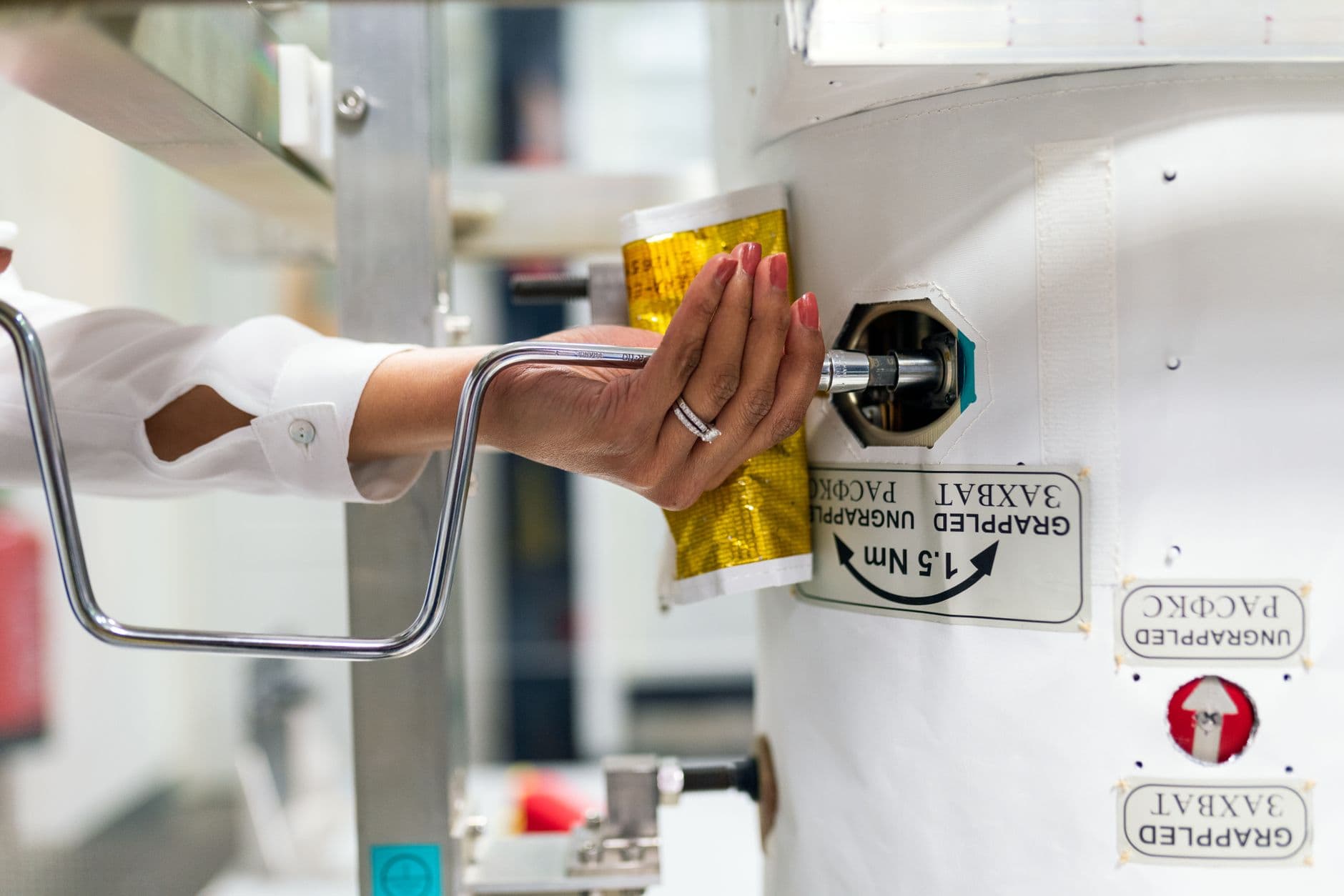
The sequence shows how HALEU has become a gating item for both mission-driven government programs and commercial microreactor developers. DOE’s first HALEU amounts to U.S. advanced reactor developers went out in 2025, another round followed in April 2025, and the July 23 commitments extend that pattern into space and defense. DOE has described the program as a way to bridge supply gaps while the United States builds a domestic advanced nuclear fuel chain.
Radiant, founded in 2020, says on its LinkedIn profile that it plans to test its first reactor in 2026 and begin initial customer deployments in 2028. NASA’s SR-1 Freedom and Radiant’s Kaleidos are now both closer to the point where fuel access stops being an abstract policy question and starts shaping the schedule for the hardware itself.
This article was produced by Prism’s automated news system from verified source data, official records, and press releases, then run through automated quality and moderation checks before publishing. The system is built and supervised by the people who set the standards it runs under. Read our full AI policy.
Did this article answer your question?