Energoatom separates top nuclear roles, seeks Western-style governance reset
Energoatom split its top nuclear roles and brought in an outside search firm, tying governance reform to financing, wartime reliability and Western partner trust.
Energoatom’s latest governance shake-up is about more than who sits in the corner office. By separating the chief executive and chief nuclear officer roles and widening the field for top appointments, Ukraine’s state nuclear operator is trying to make itself look like a bankable, partner-ready utility at a time when credibility, financing and wartime operating discipline all matter at once.
The supervisory board said on 13 May that it would retain an international executive search firm and use a merit-based process for the CEO, chief nuclear officer, chief financial officer and other board-appointed posts. The board said the point was to move away from Soviet-era governance habits and toward Western operating norms, a shift that is meant to reassure international partners as much as it is to tighten management.
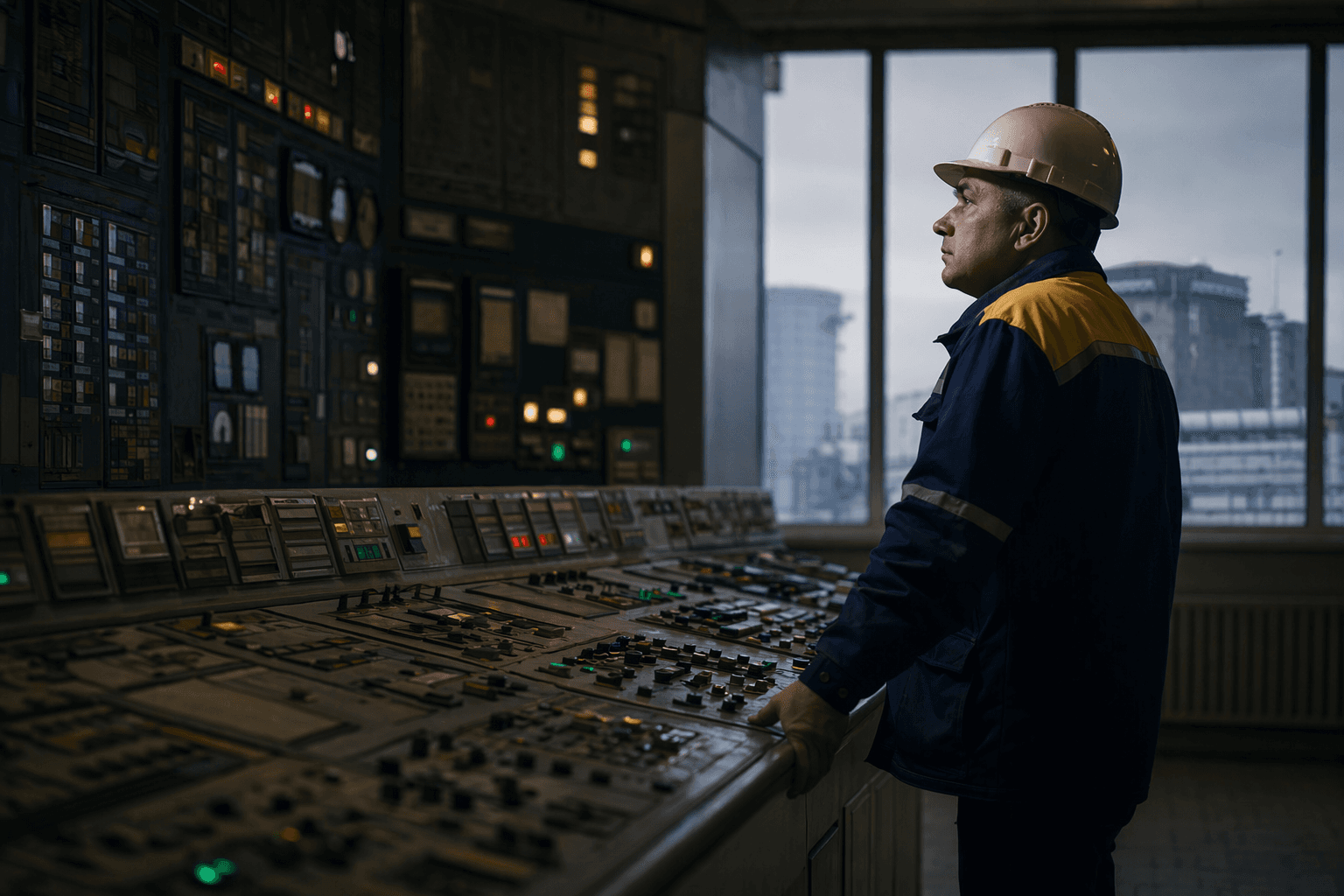
The move followed a 8 May board meeting that came after information from the National Anti-Corruption Bureau of Ukraine. The board opened an internal investigation, suspended several employees while the inquiry proceeds, and ordered a reorganisation of specific units responsible for physical protection and economic security by 16 June.
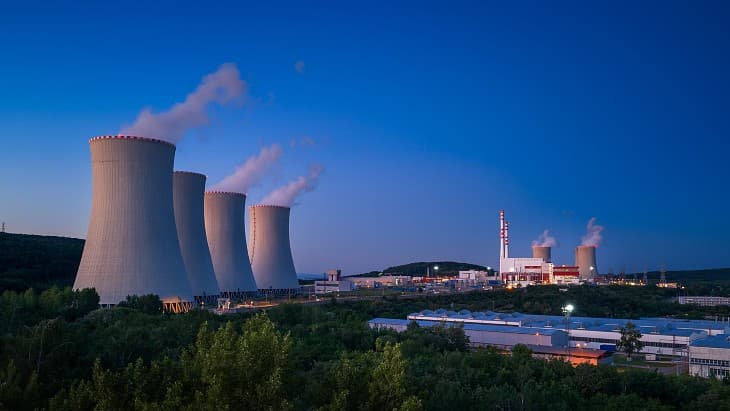
That urgency reflects the scale of the operator. Energoatom says it runs four nuclear power plants, Zaporizhzhia, Rivne, South Ukraine and Khmelnytskyi, with 15 nuclear units in total, including 13 VVER-1000 reactors and two VVER-440 reactors. The fleet has a total installed capacity of 13,835 MW and generates more than 55% of Ukraine’s electricity, making any governance failure a national energy-security issue, not just a company problem.
The board has made the anti-corruption message explicit. It praised workers for helping national defense while acknowledging what it called unacceptable behavior and harmful actions that had damaged compliance culture in recent years. It also said merit-based selection free of interference was the only way to attract the leadership Energoatom needs and the basis on which international partners would continue to provide financing and operational support.
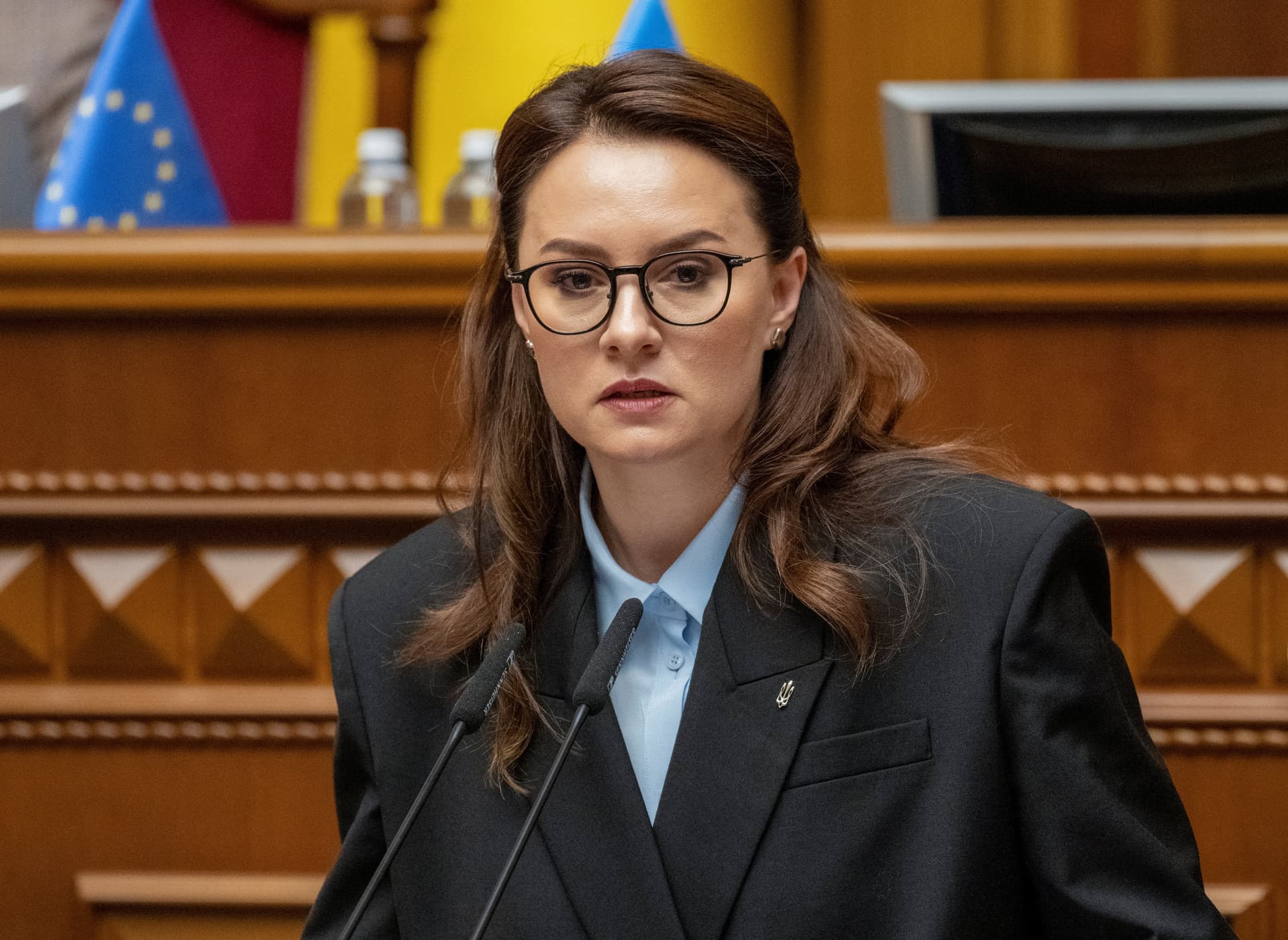
The supervisory board itself is built to signal that shift. It is chaired by Rumina Velshi, the former head of Canada’s nuclear regulator, with Patrick Fragman, the former chief executive of Westinghouse, as vice chairman. Energoatom said the board was established on 26 February 2026, and in March it said role descriptions for the CEO and executive board had been finalised, an independent executive search firm would be selected soon, and an independent financial and operational assessment would follow.
The backdrop is harsher still. NABU said Operation Midas uncovered a tollgate scheme in which Energoatom contractors were forced to pay kickbacks of up to 15% of contract values, and that 103 people became suspects in the second half of 2025, including 12 top-ranking officials. Against that record, the governance reset is now a test of whether Energoatom can become the kind of operator Western lenders and nuclear partners will trust to keep Ukraine’s reactors running and its expansion plans alive.
This article was produced by Prism’s automated news system from verified source data, official records, and press releases, then run through automated quality and moderation checks before publishing. The system is built and supervised by the people who set the standards it runs under. Read our full AI policy.
Did this article answer your question?