Jefferson Lab tests spin-polarized fuel to boost fusion efficiency
Jefferson Lab is betting that aligned fuel spins, not a new reactor design, could lift fusion output by more than 50% and possibly as much as 80%.
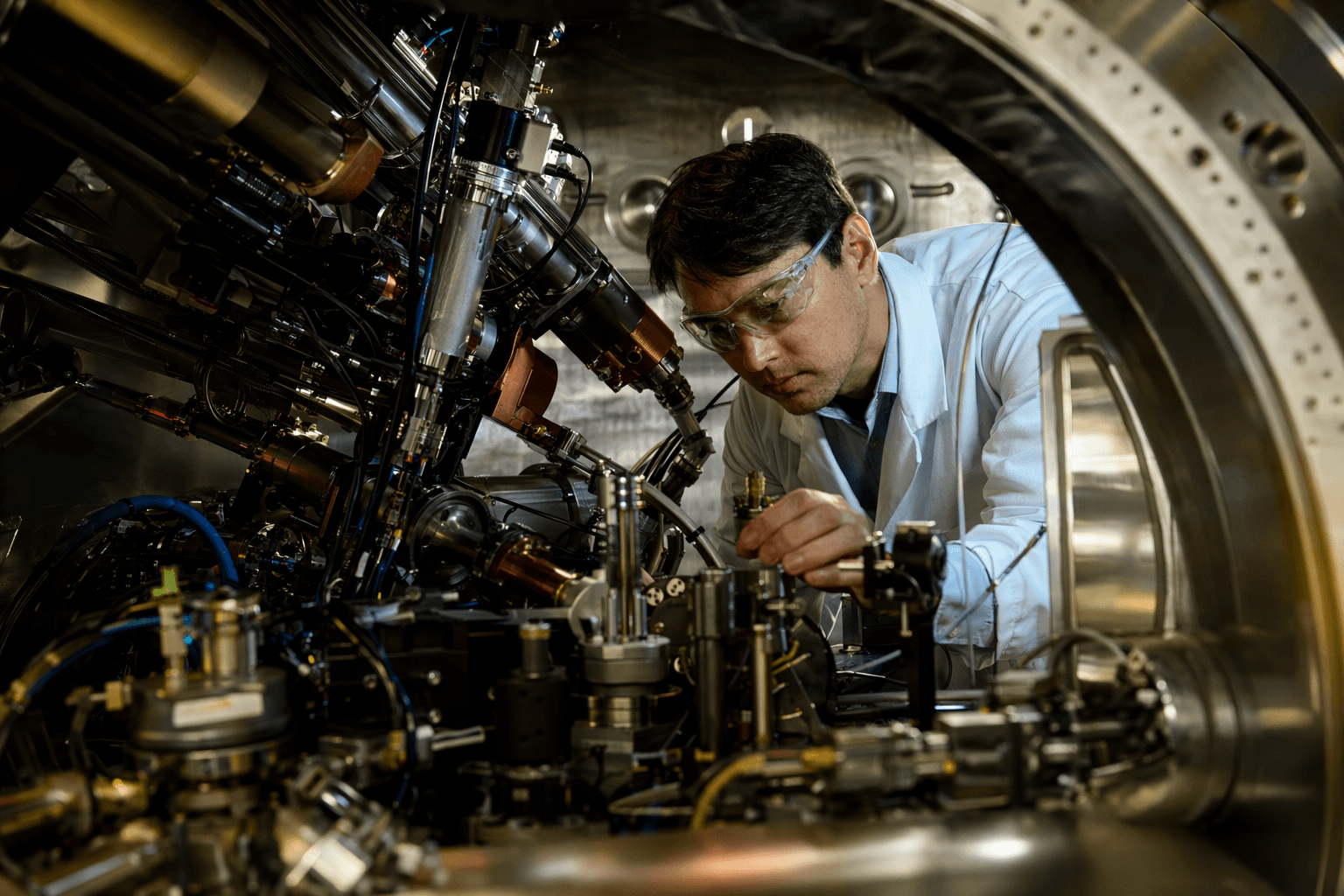
Jefferson Lab is going after one of fusion’s most practical bottlenecks: the fuel itself. In Newport News, Xiangdong Wei and a multiyear team are testing whether deuterium and helium-3 can be spin-polarized before injection, a change they say could raise fusion output without forcing a wholesale redesign of the reactor.
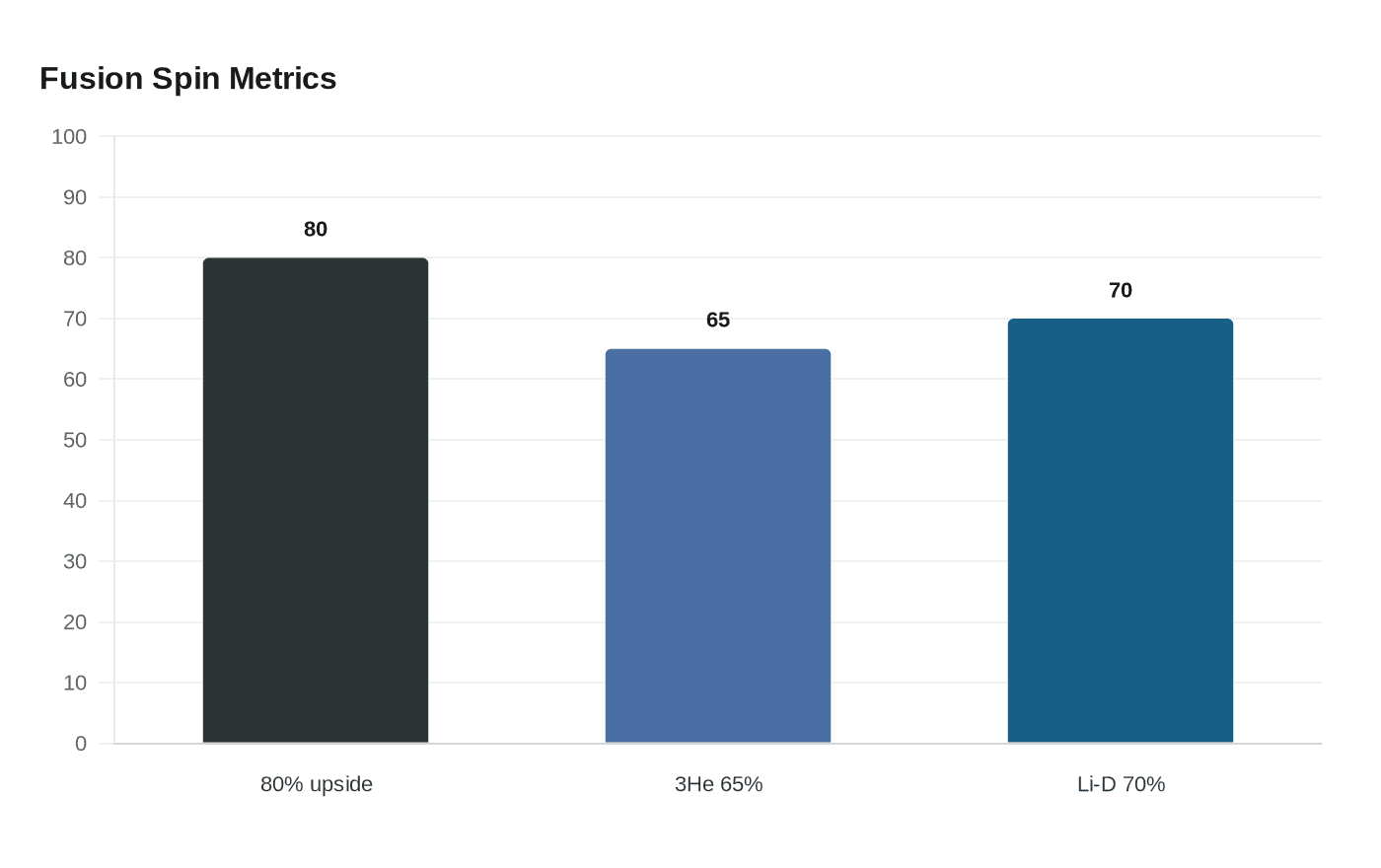
The attraction is straightforward. In ordinary fuel, the nuclei spin in random directions. Jefferson Lab’s project, backed by a second round of Department of Energy Fusion Energy Sciences funding after launching in 2023, tries to line those spins up so more reactions occur when the fuel reaches the plasma. A 2023 collaboration announcement said the payoff could be more than 50% greater fusion energy gain than unpolarized fuel. Wei has said the upside could reach as high as 80% if the approach holds up in practice.
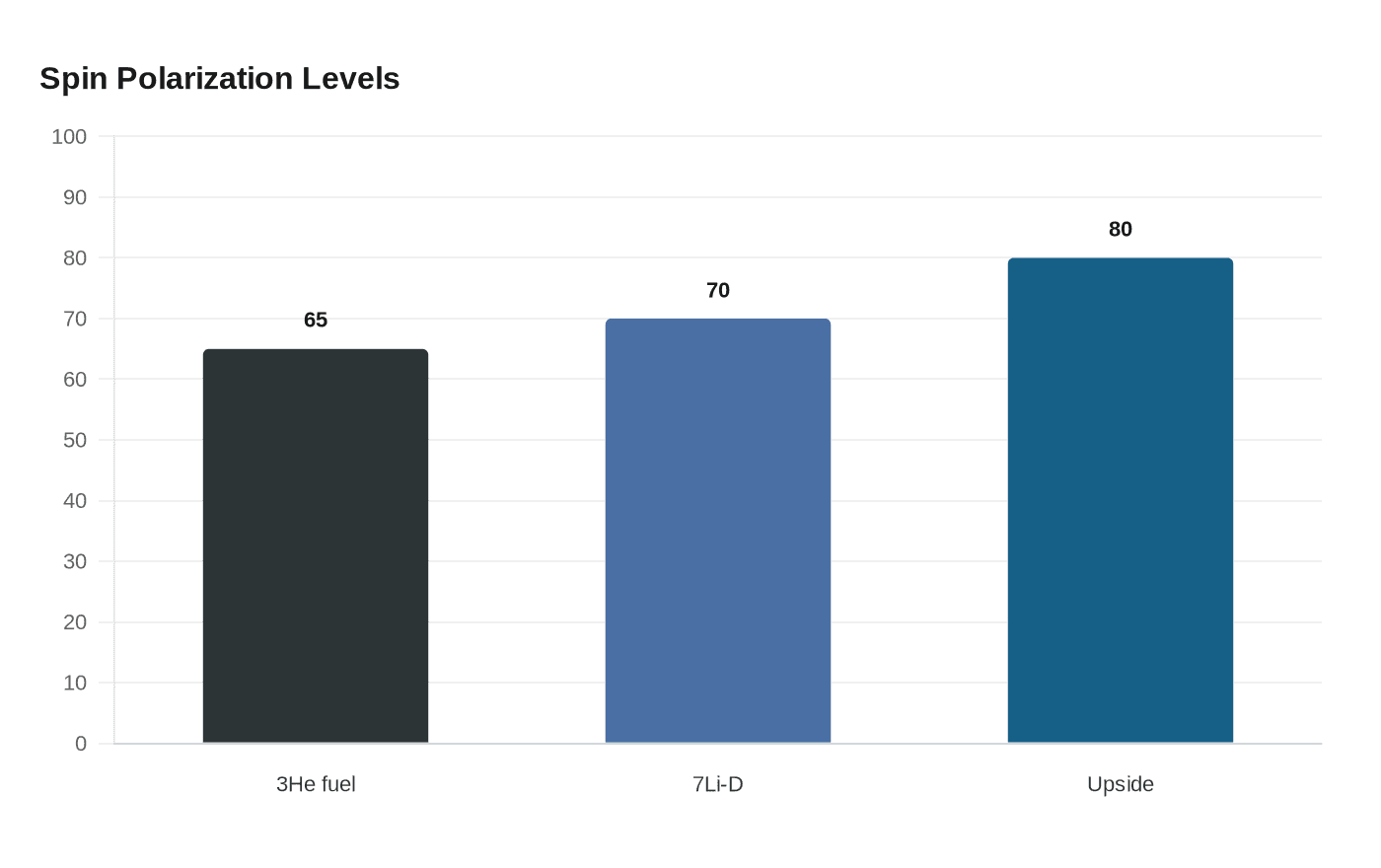
That is the kind of number that gets attention in a field where every percentage point matters. A 2024 Frontiers paper said deuterium-tritium reactions could see the fusion cross section rise by a factor of 1.5 when both spins are aligned parallel to the magnetic field. The same paper made clear why Jefferson Lab is using deuterium and helium-3 as a proxy instead of tritium: they preserve the relevant spin physics while avoiding the handling complications that come with tritium. The paper also said 3He fuel can be prepared at about 65% polarization, while dynamically polarized 7Li-D pellets can reach about 70% vector polarization for deuterium.
The hard part is not the theory. It is whether the polarization survives the heat, magnetic fields and plasma conditions of a real machine long enough to matter. That is the efficiency problem Jefferson Lab is trying to fix, and it is a commercial problem as much as a physics one. A gain only counts if it remains intact from fuel prep through delivery and into the reactor environment.
That is why the work now stretches beyond one lab. Jefferson Lab is collaborating with the University of Virginia, Oak Ridge National Laboratory, the University of California, Irvine and the DIII-D National Fusion Facility. ARPA-E brought much of that same community together at a December 9-10, 2024 workshop focused on fuel generation, implementation, storage, delivery and depolarization mechanisms.
The timeline adds pressure. The Department of Energy’s Fusion Science and Technology Roadmap, released on October 16, 2025, calls for commercial fusion power on the grid by the mid-2030s and was shaped by input from more than 600 scientists, engineers and industry stakeholders. Commonwealth Fusion Systems has already said it will build its ARC plant in Chesterfield County, Virginia, and Chesterfield County says the project is expected to produce about 400 megawatts in the early 2030s, enough to power roughly 150,000 homes.
For companies aiming at deployable machines, that makes Jefferson Lab’s fuel work more than an academic side quest. If spin-polarized fuel can actually survive the reactor environment, it could improve output without changing the core design. If it cannot, the result is another elegant fusion idea that stops at the lab door.
This article was produced by Prism’s automated news system from verified source data, official records, and press releases, then run through automated quality and moderation checks before publishing. The system is built and supervised by the people who set the standards it runs under. Read our full AI policy.
Did this article answer your question?