EU opens consultation on radioactive waste rules, spent fuel policy
Europe’s waste rules are up for review as nuclear capacity is projected to rise from 98 GWe to about 109 GWe by 2050, with a 70 to 144 GWe range.
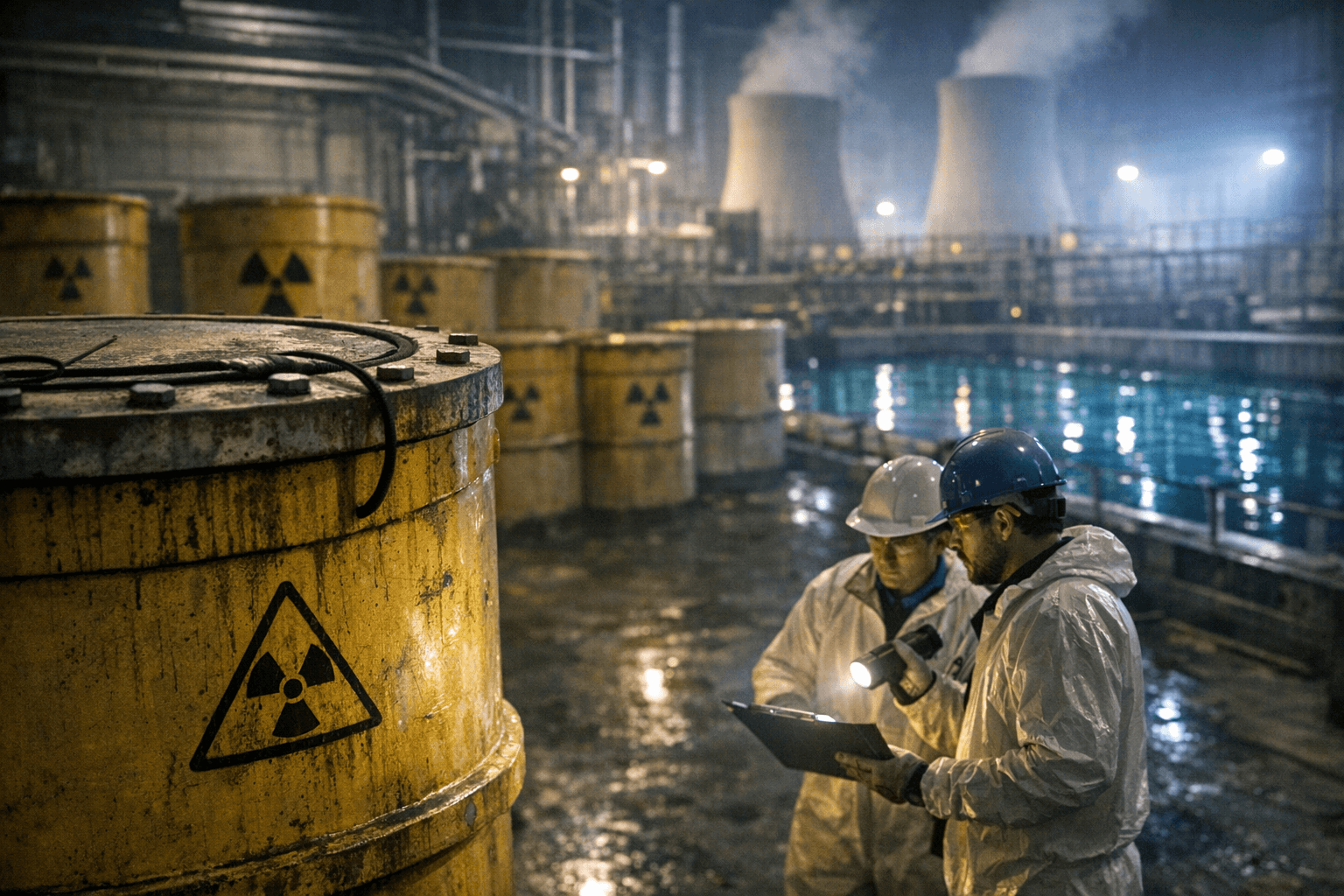
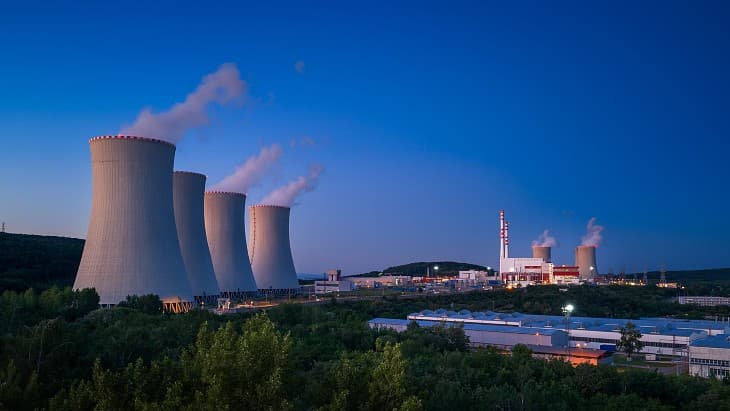
The European Commission has started the clock on a review that could reshape the paperwork, financing and site-planning that sit behind every new reactor in Europe. With nuclear capacity projected to rise from about 98 GWe in 2025 to around 109 GWe by 2050, the bloc is asking whether its radioactive-waste and spent-fuel rules are ready for a bigger fleet, more decommissioning work and more waste from medicine, industry, agriculture, research and education.
The consultation opened on March 27, 2026, with the call for evidence due April 24 and the wider public consultation running until June 19. The Commission said the exercise will test whether the existing framework is fully achieved and consistently applied, while also looking for ways to trim unnecessary administrative burdens. For operators and would-be builders, that matters because waste policy is not an afterthought anymore. It is part of the permit path.
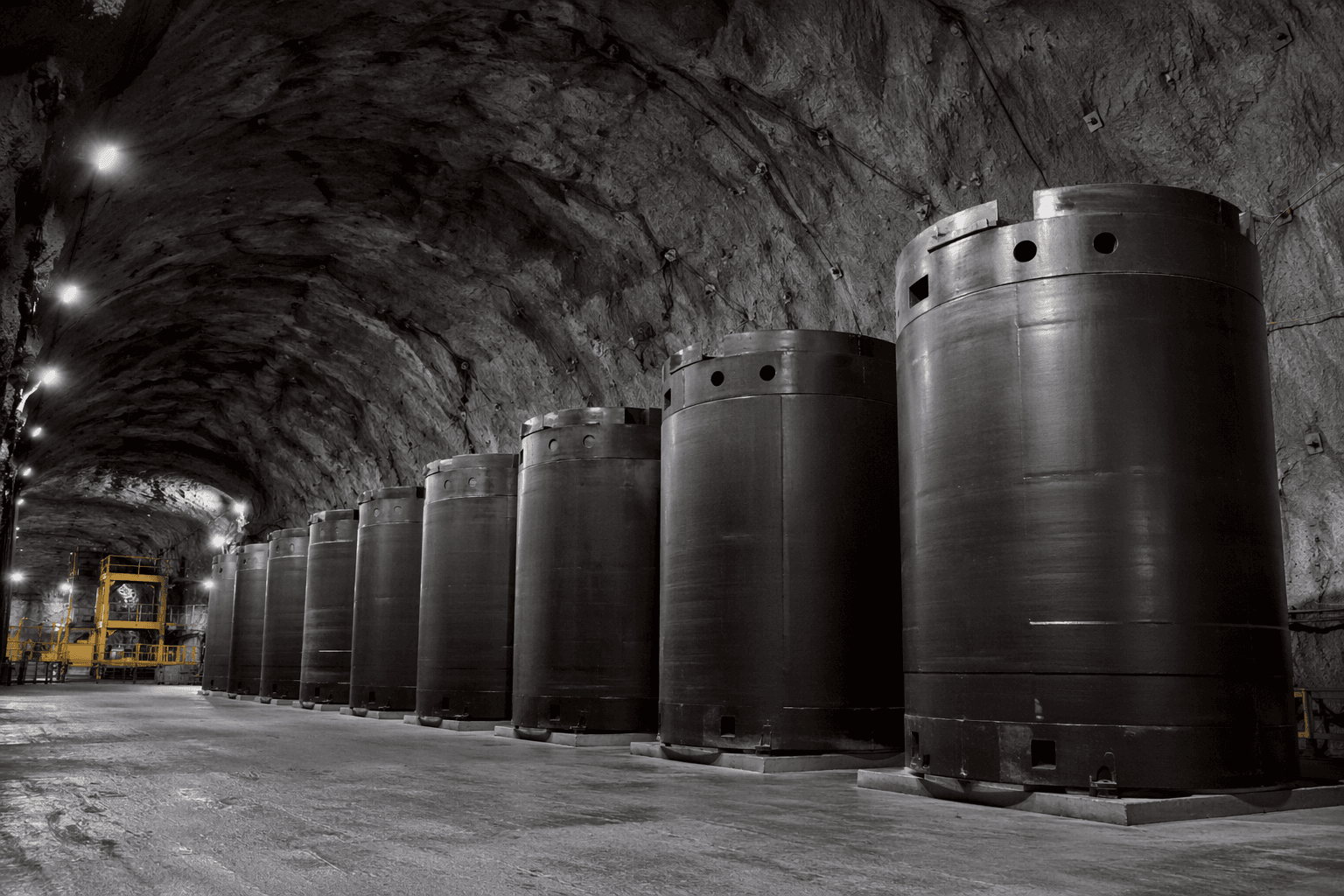
At the center of the review are two Euratom laws. The 2006 Shipments Directive governs supervision and control of radioactive-waste and spent-fuel shipments, including prior authorization and notification rules, and it bans exports to Africa, Caribbean and Pacific countries, Antarctica, and countries without the resources to safely manage the material. The 2011 Radioactive Waste Directive requires EU countries to maintain national policies and national programmes for spent fuel and radioactive waste management, along with the systems that pay for and police them.
The Commission’s own 2024 implementation report, published on May 22, 2024, said four problems still persist: some member states still lack national policies for the long-term management of all radioactive waste, some national programmes are not ambitious enough, control and funding structures remain weak in places, and some cost estimates are outdated or incomplete. That report drew on national reports and national programmes submitted in August 2021, which means the review is already starting from a snapshot that is nearly five years old.
The likely pressure points are clear. Governments will be pushed first, because they are the ones that must write and update national programmes, finance disposal pathways and show that long-lived waste streams are covered. Operators will feel the next wave through shipment approvals, reporting, storage obligations and the need to prove they have credible end points for spent fuel. New reactor developers will feel it earliest in the licensing phase, where waste plans can speed a project forward or complicate it if national systems are vague or underfunded.
The European Parliament has also stressed that the EU framework covers decommissioning and remediation of former nuclear sites and installations, widening the stakes beyond operating plants. With the Commission projecting uncertainty for 2050 capacity as wide as 70 GWe to 144 GWe, this review could either make Europe’s nuclear rollout easier to approve or expose the weak links that slow it down.
This article was produced by Prism’s automated news system from verified source data, official records, and press releases, then run through automated quality and moderation checks before publishing. The system is built and supervised by the people who set the standards it runs under. Read our full AI policy.
Did this article answer your question?