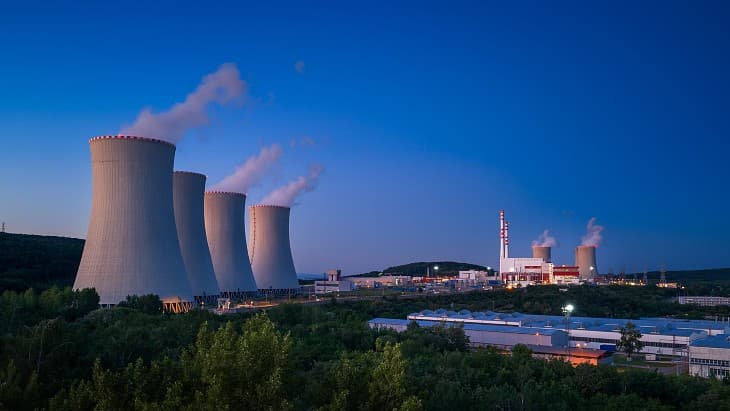
Japan eyes remote Minamitorishima island for radioactive waste repository
Japan moved a step closer to a waste site on Minamitorishima after Ogasawara's mayor accepted a literature survey, reopening the politics of hosting spent fuel.
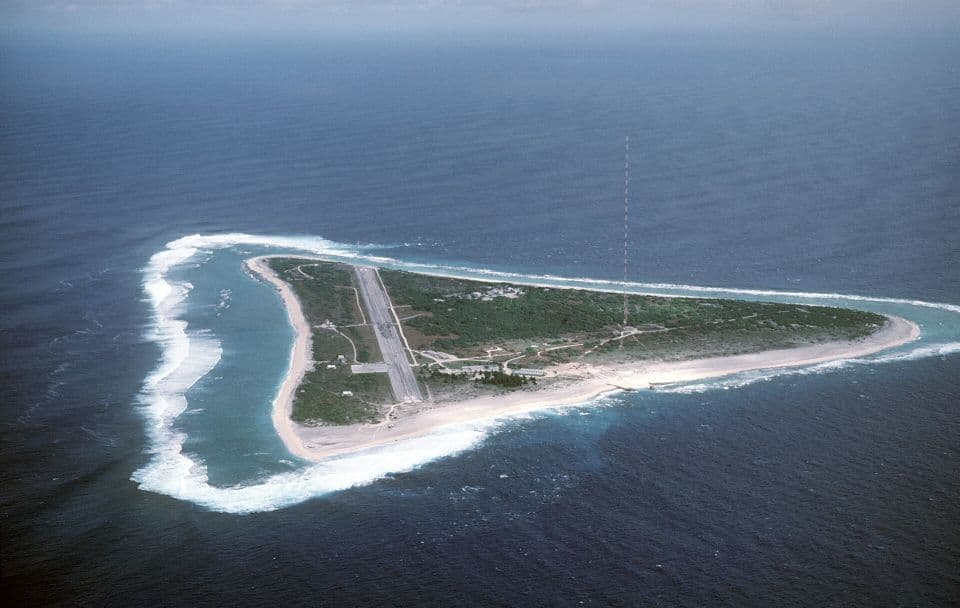
Japan took a new step toward a final resting place for its high-level radioactive waste when the Ministry of Economy, Trade and Industry proposed a literature survey for Minamitorishima on March 3, and Ogasawara Village Mayor Masaaki Shibuya later said on April 13 that he would accept the request. The island sits about 1,200 miles southeast of Tokyo, is government-owned, and has no permanent residents, making it one of the few places in Japan where the politics of consent, not just the geology, can be tested with unusual clarity.
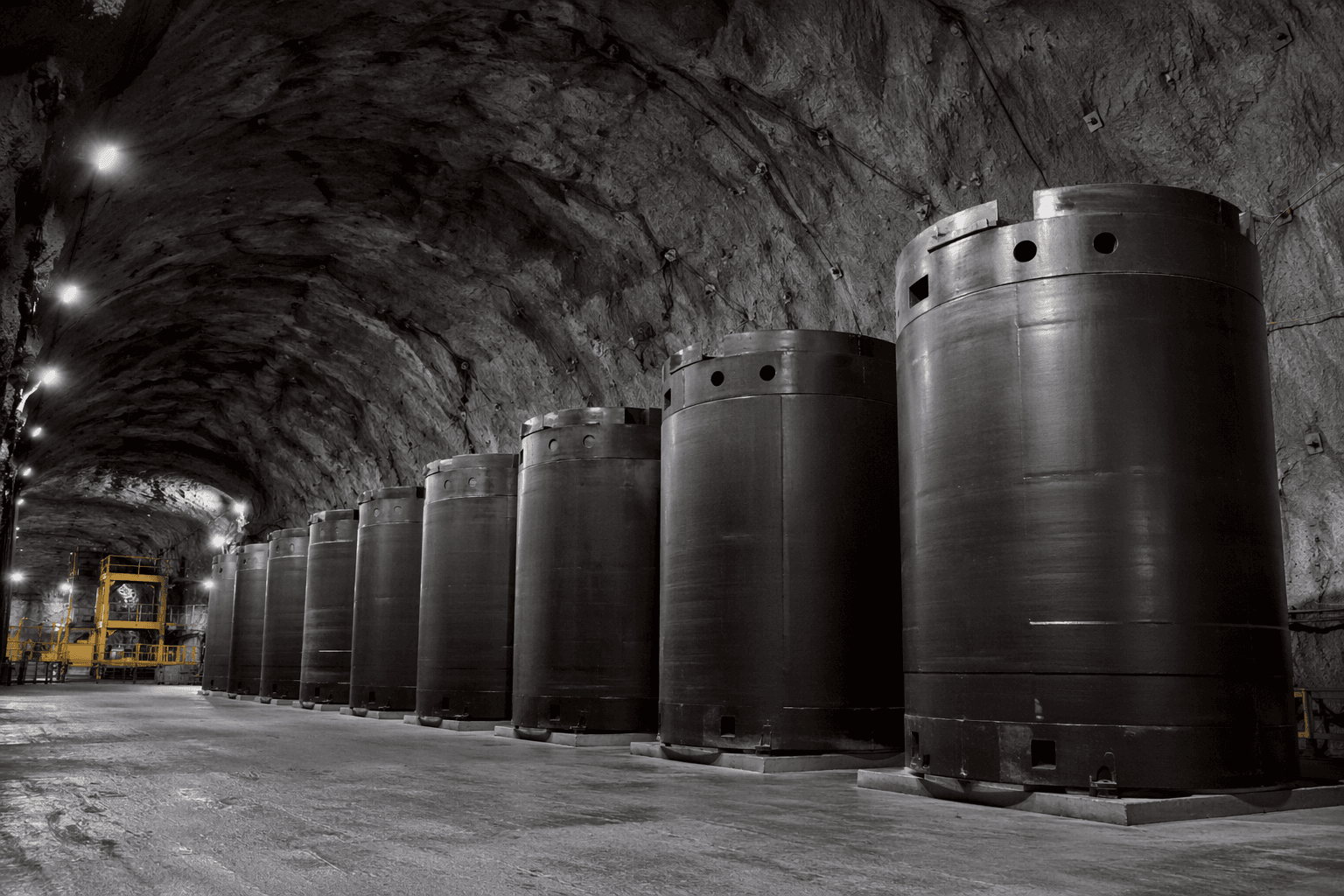
The proposal is still at the first stage of the country’s stepwise site-selection process, a literature survey that asks only whether the island’s geology, location and other conditions justify deeper study. Even that modest move matters in a country that has spent more than two decades trying to turn nuclear waste policy into an actual site. Japan’s Final Disposal Act, enacted in 2000, defines final disposal as burial more than 300 meters underground, and NUMO, created in October 2000, is the body charged with carrying out the program. Official policy says the repository is for high-level waste generated after reprocessing spent fuel, with vitrified waste typically cooled for 30 to 50 years before final disposal.
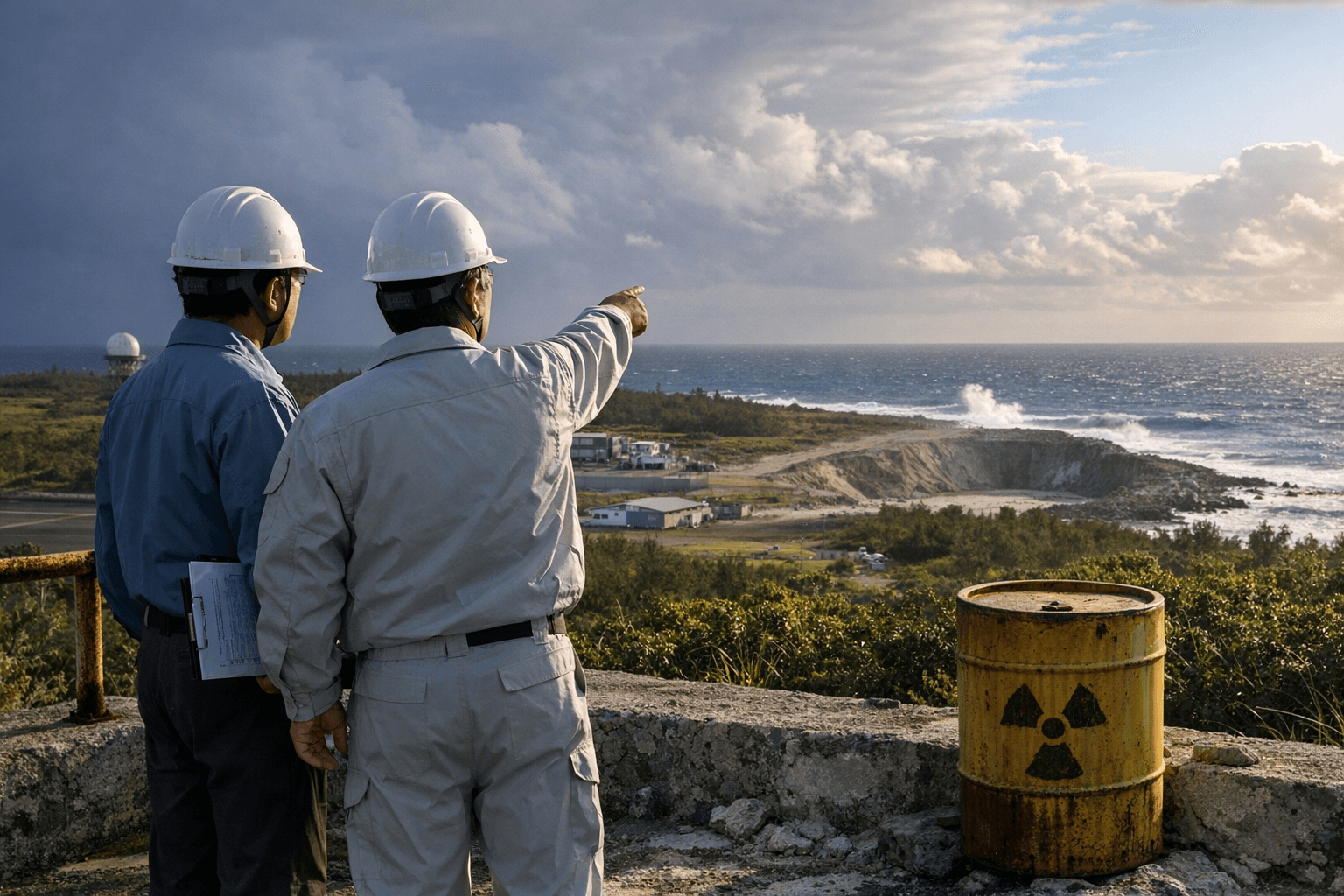
The island is attractive precisely because it is so remote. That distance reduces the obvious friction that has slowed siting near population centers, but it does not remove the harder questions. Minamitorishima has drawn concern over possible effects on seabed rare-earth element interests, and any move there would still face environmental scrutiny and arguments over sovereignty and national control. Japan’s government has also said it intends to take a more direct role in seeking regional cooperation for literature surveys, rather than depending only on voluntary bids from municipalities, a sign of how difficult the search has become.
The politics of that difficulty are written in Hokkaido. NUMO submitted draft literature-survey reports for Suttsu Town and Kamoenai Village in 2024, but Hokkaido Governor Naomichi Suzuki opposed advancing those sites to the next stage. That history helps explain why a remote island is back on the table now. It is not a declaration that Minamitorishima will host a repository. It is a sign that Japan is still looking for some place, any place, where the national need to isolate spent fuel can be reconciled with local acceptance.
Community meetings on the Minamitorishima proposal were held on Chichijima and Hahajima in Ogasawara, where the central government and NUMO tried to explain the process. The stakes are clear in NUMO’s own planning assumptions: an underground disposal area on the order of 3 kilometers by 2 kilometers, built for waste that must stay isolated for the long haul. For Japan, the real news is not that the island has been chosen. It is that, after years of dead ends, the country has again found a candidate remote enough to restart the conversation.
This article was produced by Prism’s automated news system from verified source data, official records, and press releases, then run through automated quality and moderation checks before publishing. The system is built and supervised by the people who set the standards it runs under. Read our full AI policy.
Did this article answer your question?