EU probes Romania’s funding plan for Cernavoda reactor life extension
Brussels has put Romania’s Cernavoda Unit 1 plan under a formal state-aid probe, testing a €3.2 billion support package for a 30-year life extension.
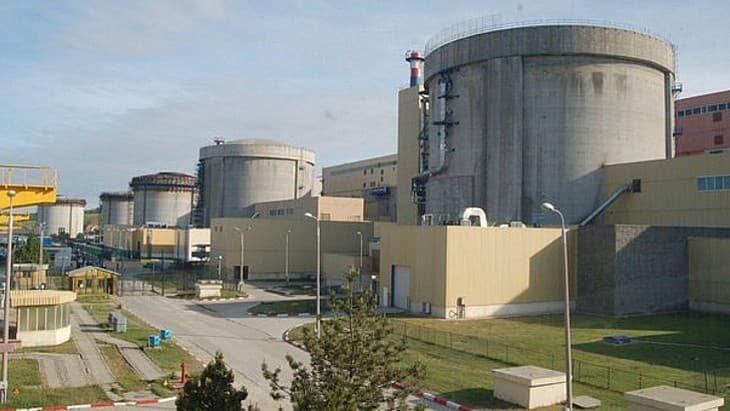
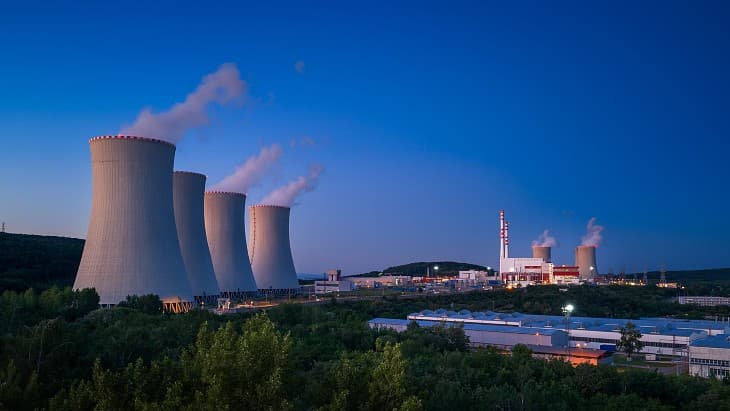
Brussels has put Romania’s plan to finance a 30-year overhaul of Cernavoda Unit 1 under formal state-aid scrutiny, a review that could decide how quickly one of Europe’s few near-term reactor life-extension projects moves forward and how much confidence investors place in it.
The European Commission opened an in-depth investigation on April 16 into whether the public support Romania plans to provide for refurbishment of the reactor is compatible with EU competition and state-aid rules. The question is not whether the unit should be extended, but whether the financing structure can survive the bloc’s legal test. For a project that is already part-way into execution, that distinction matters. If the package is approved, it could become a template for other governments trying to keep existing nuclear capacity online. If it is delayed or narrowed, it could force Romania back to the drawing board on funding, timing and risk.
Romania notified the Commission of the support plan in January, saying Unit 1 should keep its current electricity generation capacity of 706 megawatts and operate for another 30 years. The reactor began commercial operation in 1996 and currently supplies about 10% of Romania’s electricity. That makes the plant especially important in a country whose only nuclear power station is Cernavodă, in Constanța County, and whose power system still relies on firm low-carbon output.
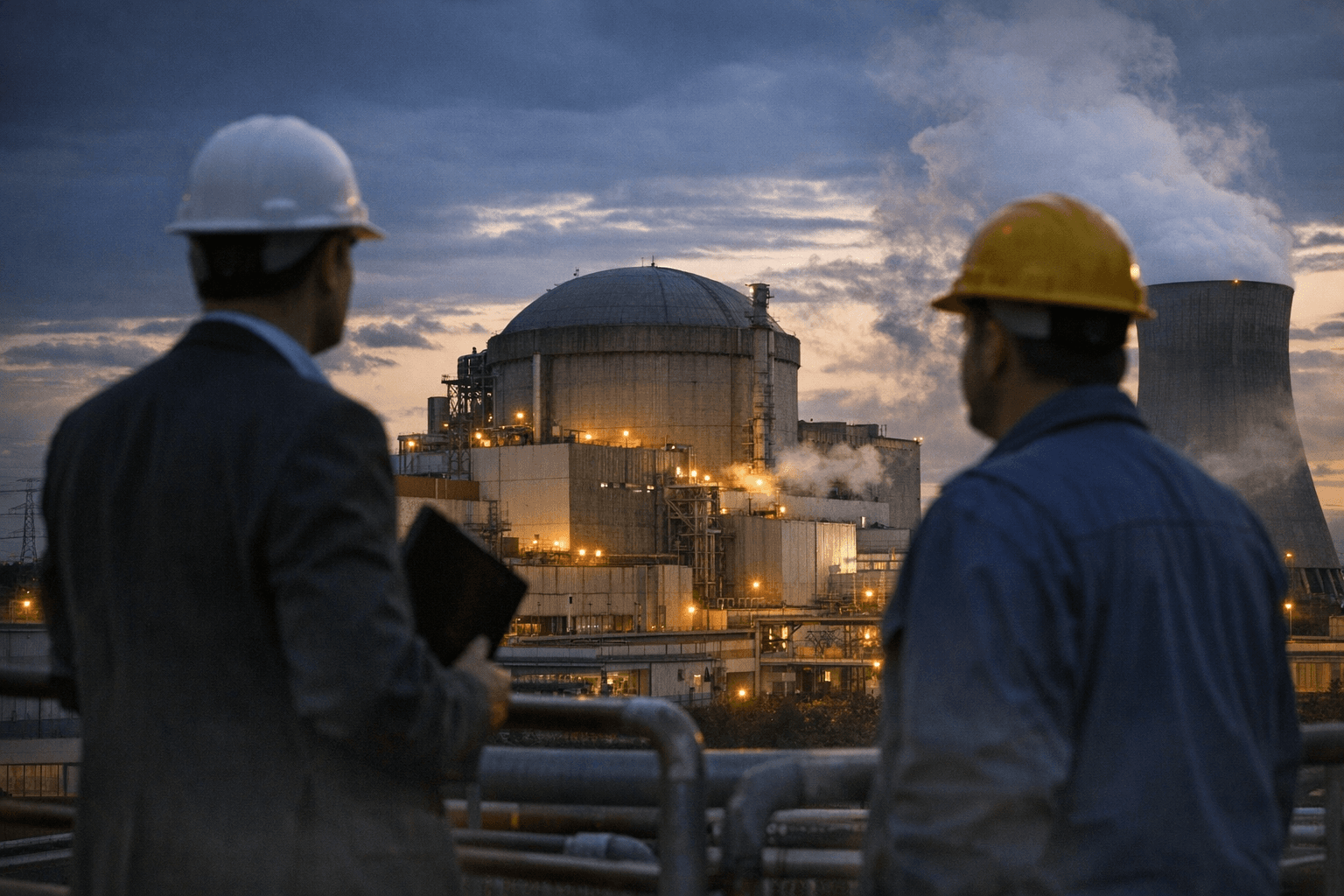
The refurbishment is moving ahead on the ground even as the legal review unfolds. SN Nuclearelectrica SA said civil construction works for the Unit 1 refurbishment project began on September 3, 2025, marking the start of the infrastructure work needed for the overhaul. The project has been described as a 30-year life-extension effort, and reporting in late 2024 and 2025 put the main engineering, procurement and construction contract at about €1.9 billion.
The support package now under review has been described in other coverage as worth about €3.2 billion, underscoring the scale of the public commitment behind the project. That figure explains why the Commission is digging in: the decision will affect not only Romania’s electricity balance, but also the wider European debate over how to finance reactor refurbishments without crossing EU state-aid lines. For Brussels, Cernavoda has become a test case. For Bucharest, it is a high-stakes bet on keeping a major nuclear asset running for another generation.
This article was produced by Prism’s automated news system from verified source data, official records, and press releases, then run through automated quality and moderation checks before publishing. The system is built and supervised by the people who set the standards it runs under. Read our full AI policy.
Did this article answer your question?