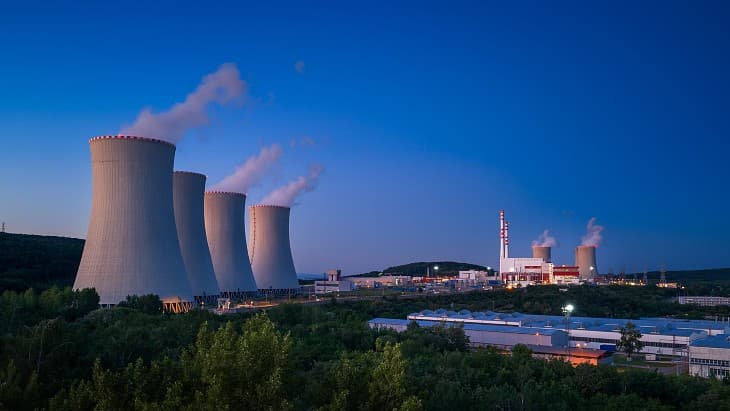
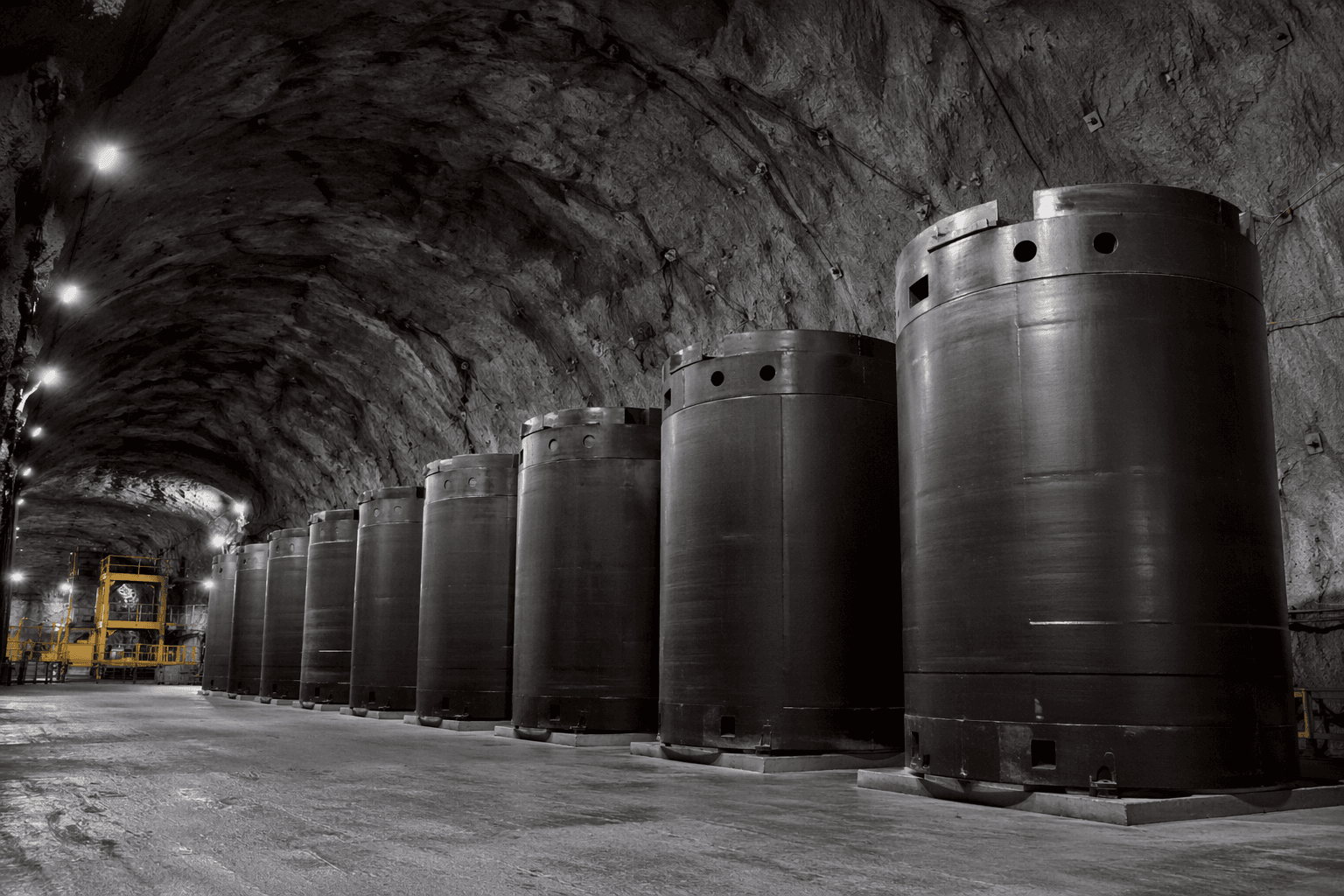
Poland advances SMR plans at Stalowa Wola industrial park
OSGE brought Poland’s state development agency into its Stalowa Wola SMR push, a sign the project is moving from pitch deck to site prep. The park could fit up to four BWRX-300 units.
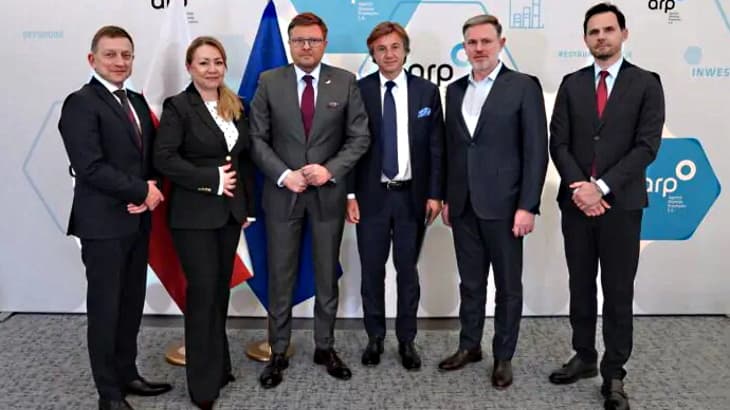
Orlen Synthos Green Energy has pulled Poland’s Industrial Development Agency into its Stalowa Wola SMR plan, a move that matters because it shifts the project from a private ambition to something with state-backed site preparation behind it. The letter of intent, signed on April 16, 2026, was described by ARP as the starting point for an investment agreement tied to the Strategic Investment Park in Stalowa Wola and to OSGE’s special-purpose company, BWRX 300 Stalowa Wola Sp. z o.o.
That does not mean construction has started. It does mean the project is now getting the kind of institutional scaffolding that real nuclear new-build needs before the first pour: land-use work, infrastructure coordination, and a clearer case for why the reactor belongs inside an industrial park rather than as a standalone power project. ARP manages the Tarnobrzeg Special Economic Zone Euro-Park Wisłosan, which gives the Stalowa Wola effort an economic-development wrapper as well as an energy one.
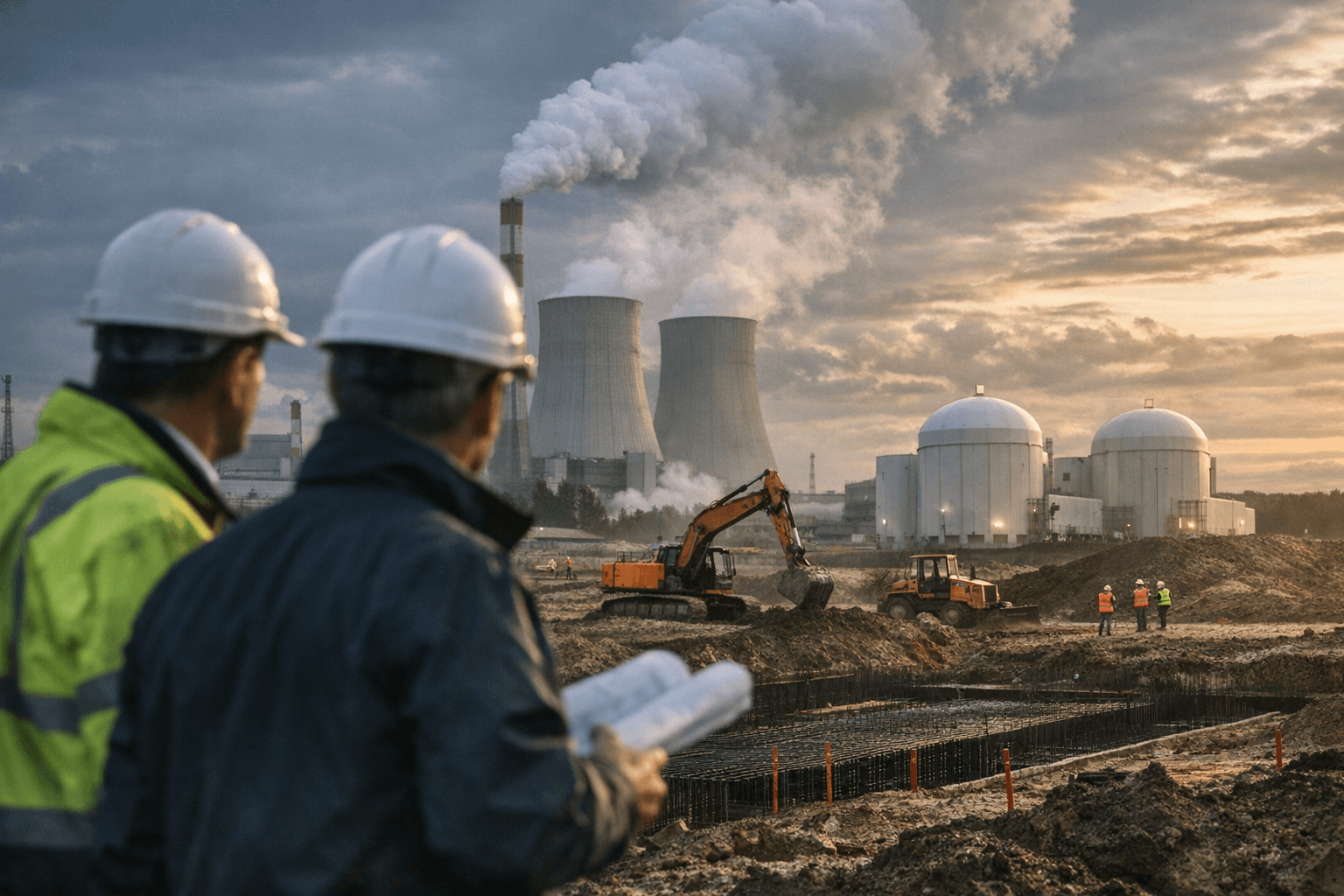
The site itself is the reason this deal is getting attention. One report puts the Strategic Investment Park at nearly 1,000 hectares, with room for as many as four BWRX-300 blocks and estimated investor power demand of 1,500 MW by 2030. That is the kind of scale that makes the park more than a pin on a map. If OSGE can turn that footprint into a functioning nuclear-industrial cluster, the project would move well beyond the usual SMR slogan of “future-ready” and into something with actual grid and site consequences.
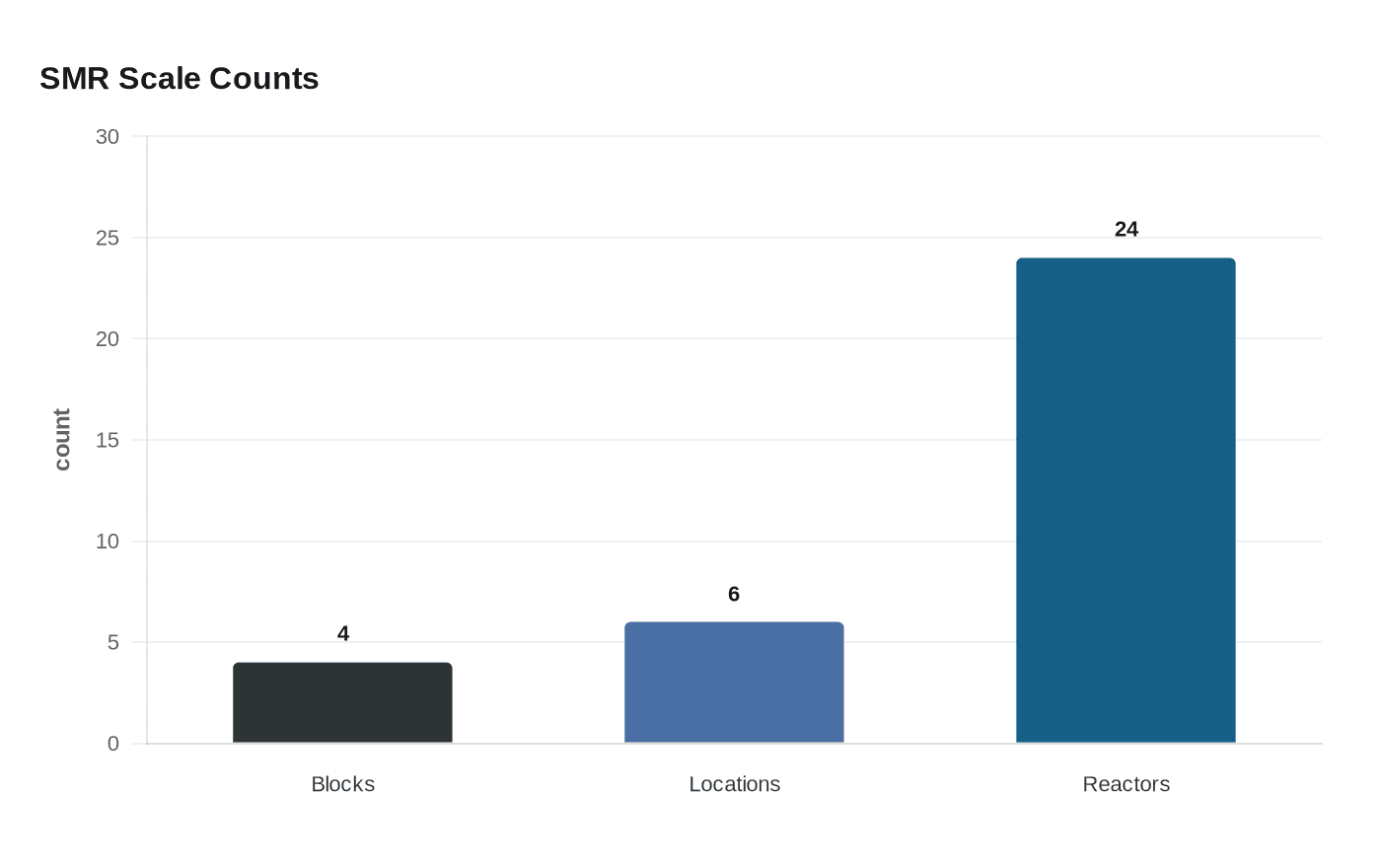
The reactor plan is built around GE Vernova Hitachi Nuclear Energy’s BWRX-300. That concept has already cleared several early gates in Poland. In May 2023, the President of the National Atomic Energy Agency issued a positive general opinion on selected technical assumptions for the design. In December 2023, the Ministry of Climate and Environment issued decisions-in-principle for six BWRX-300 locations, covering a total of 24 reactors.
The recent pace has been hard to miss. In February 2026, OSGE and GE Vernova Hitachi signed the Poland Generic Design Agreement in Washington, D.C., a formal step toward a Polish generic design. Around the same time, the Ministry of Science said Łukasiewicz and OSGE were creating a nuclear training center, which is exactly the kind of workforce move that separates paper plans from an actual build program.
Taken together, the Stalowa Wola agreement looks less like another memorandum in a crowded SMR pipeline and more like a test of whether Poland is ready to treat small reactors as industrial policy. The key question now is whether ARP’s entry unlocks the next sequence of practical work, or whether the project stays where too many SMR schemes linger: politically attractive, technically active, but still short of the point where civil works begin.
This article was produced by Prism’s automated news system from verified source data, official records, and press releases, then run through automated quality and moderation checks before publishing. The system is built and supervised by the people who set the standards it runs under. Read our full AI policy.
Did this article answer your question?