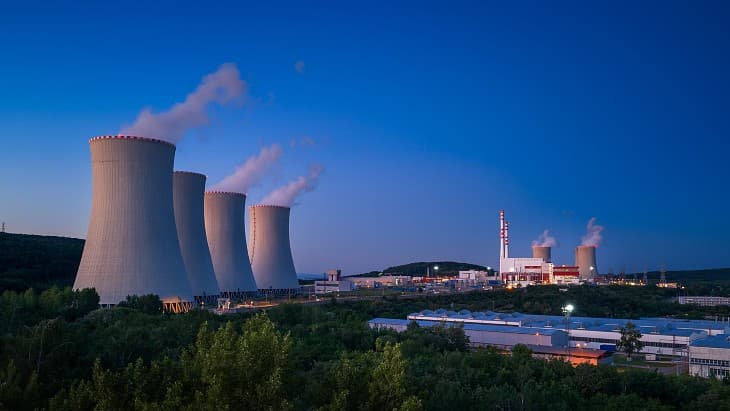
Taipingling Unit 1 Begins Commercial Operation, Expanding China Nuclear Capacity
Taipingling unit 1 entered commercial service, adding 1,116 MWe and lifting CGN’s operating fleet to 29 reactors.
_74862.jpg&w=1920&q=75)
Taipingling unit 1 has moved from commissioning into revenue-generating service, turning a long construction sequence into actual electricity on the grid. China General Nuclear said the 1,116 MWe net Hualong One at Guangdong’s Taipingling Nuclear Power Plant entered commercial operation on April 20, making it the first Hualong One unit in the Guangdong-Hong Kong-Macao Greater Bay Area to reach that stage.
The milestone matters because commercial operation is where a reactor stops being a project and starts being an asset. After a 168-hour full-power test, Taipingling unit 1 completed the last major step before routine service, adding to CGN’s operating base of 29 nuclear generating units and lifting its in-service nuclear capacity from 31,838 MW to 33,040 MW. For a sector that lives and dies by repeatable delivery, that jump is the real story: one more standardized unit, one more unit of grid output, one more unit of revenue.
Taipingling is also being built as a six-reactor site, not a one-off plant. The first and second units began construction in 2019 and 2020, hot testing on unit 1 finished in September 2024, and unit 2 completed hot testing in July 2025. China’s State Council approved phase 2 units 3 and 4 in December 2023, and construction of unit 3 began in June 2025. That sequence shows the kind of serial buildout China has made central to its nuclear program: one site, one design, multiple units, and a path that keeps moving forward.
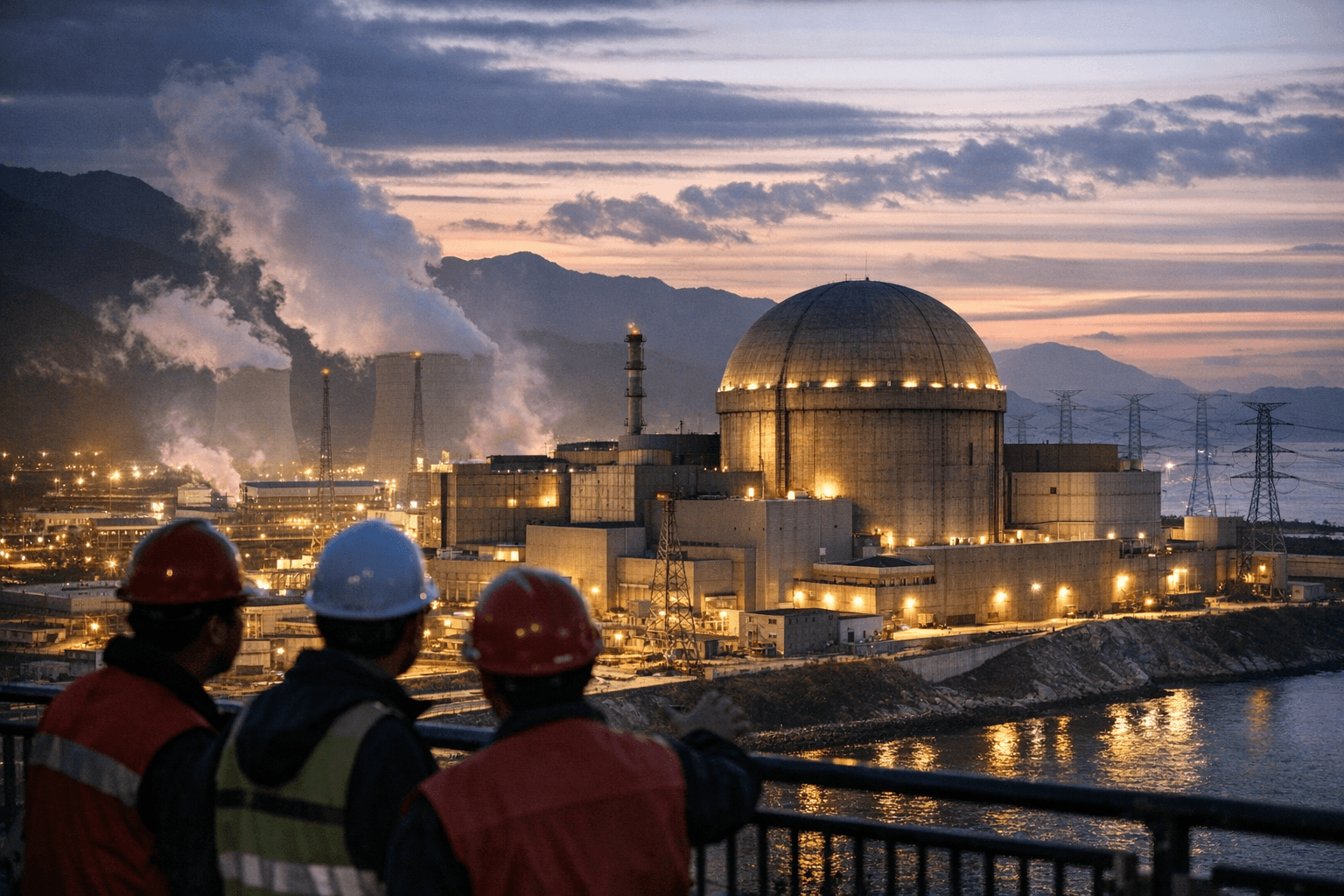
The scale is substantial. The Taipingling project carries total investment above CNY120 billion, about USD17 billion, and the six-unit site is expected to generate more than 55 billion kWh a year once complete. Chinese reporting says the finished plant should exceed 7,200 MW of installed capacity. In Guangdong, where electricity consumption reached 958.97 billion kWh in 2025, up 4.93 percent year on year, that kind of baseload output is not a side note. It is infrastructure.
Taipingling unit 1 also highlights the value of standardization against the slower, more contested pace seen in many Western nuclear projects. A commercial startup on a repeat Hualong One design, with 26 major design upgrades and handover of the integrated digital system, is evidence that China is not just adding reactors. It is refining a template and reproducing it at scale. That is why this launch lands as more than a plant milestone. It is another proof point that China’s nuclear buildout remains a live, repeatable industrial program, and that the grid is already getting the benefit.
This article was produced by Prism’s automated news system from verified source data, official records, and press releases, then run through automated quality and moderation checks before publishing. The system is built and supervised by the people who set the standards it runs under. Read our full AI policy.
Did this article answer your question?