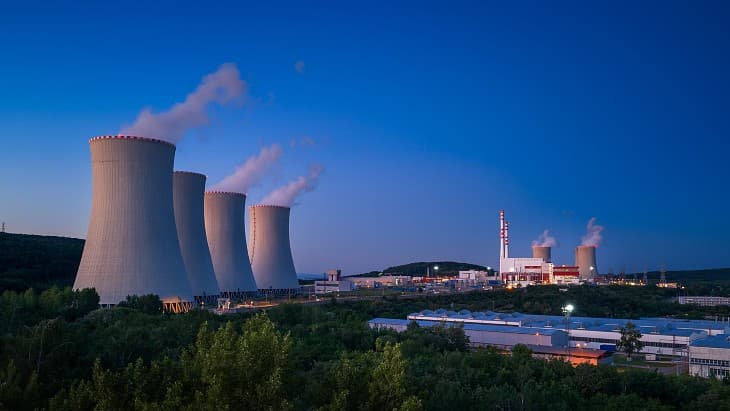
Existing Nuclear Plants Drive Push for Resilient Fuel Supply Chains
Record output of 2,667 TWh gave Monaco’s fuel-cycle talks a sharp edge: today’s reactors, not just new ones, are driving the race for reliable fuel.
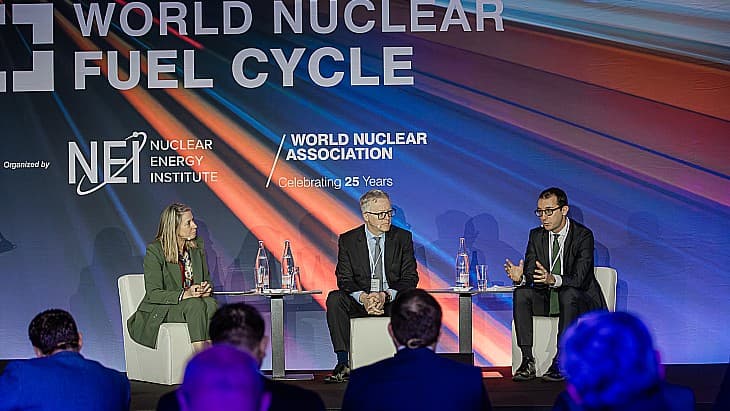
The argument in Monaco was not that new reactors do not matter. It was that the existing fleet is the bedrock for everything nuclear wants to do next. At the World Nuclear Fuel Cycle 2026 conference, co-organized by the Nuclear Energy Institute and the World Nuclear Association, more than 200 industry professionals gathered around a single commercial question: how do you keep fuel moving reliably enough to protect the plants already on the grid, while also preparing for the next wave of buildout?
Jennifer Uhle put the point plainly in business terms. Nuclear power, she said, runs on more than technology. It also runs on trust, trust that fuel will arrive on time and that the global fuel network will stay reliable. That message landed against a backdrop that makes the stakes hard to ignore. Global nuclear reactors generated 2,667 TWh of electricity in 2024, a record and just ahead of the 2,660 TWh peak set in 2006. The International Energy Agency expects nuclear output to reach another record in 2025.
The deeper issue, however, is what happens between today’s operating fleet and tomorrow’s new construction. Existing plants preserve the workforce, the training pipeline and the operational know-how that make future expansion possible in the first place. Emmanuel Brutin of nucleareurope and Framatome’s Lionel Gaiffe argued that Europe is moving toward more support for nuclear, but support alone does not build capacity. Policy backing and financing still have to turn interest into deployed reactors, and Gaiffe said existing units provide energy stability, low-carbon power and grid stability only if the fuel supply chain remains sovereign and dependable.
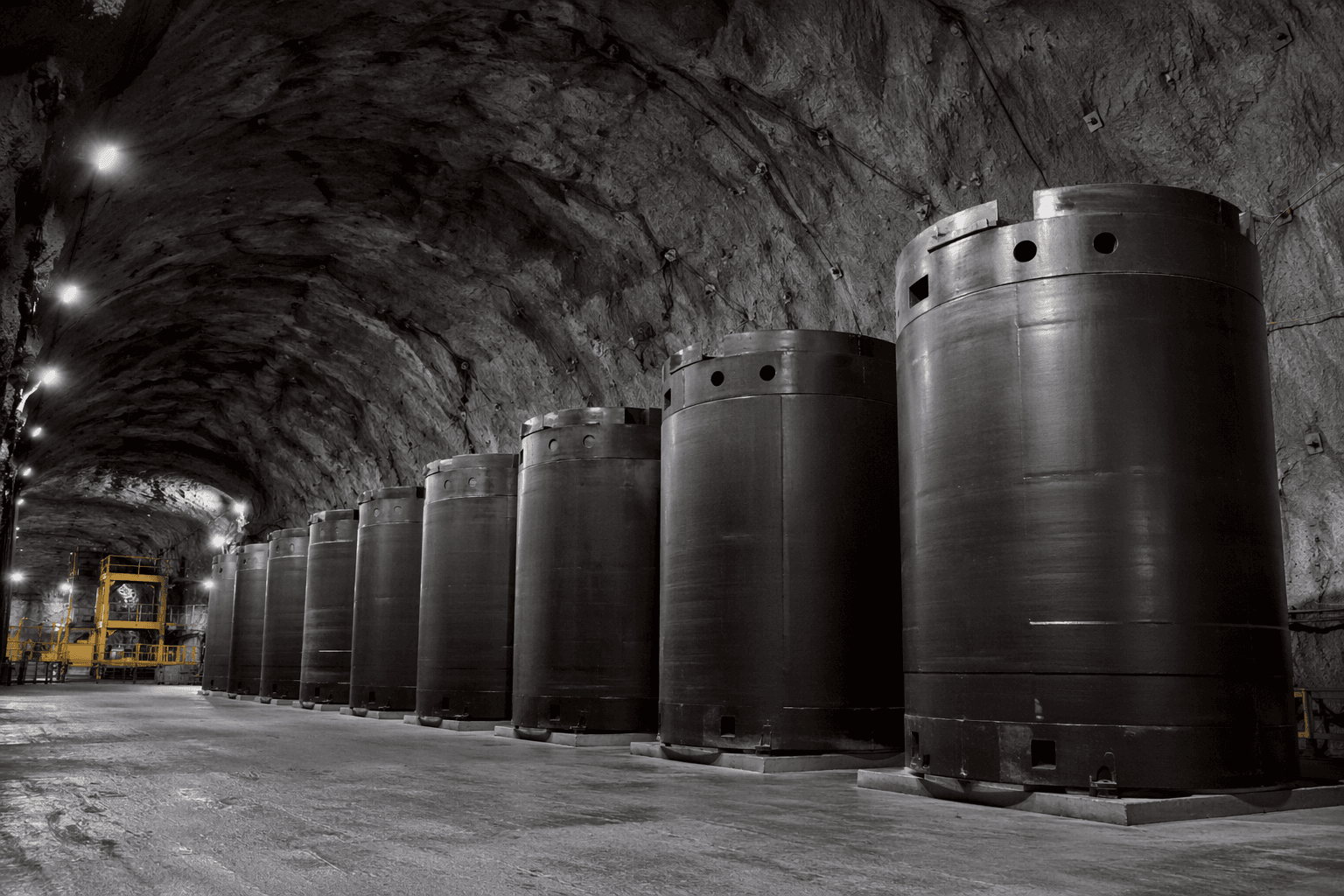
That is why the fuel cycle came through in Monaco as a practical chain of industrial tasks, not an abstraction. NEI describes it as mining, conversion, enrichment and fabrication, and every step has become part of the investment conversation. France’s February 2026 energy strategy, which called for six new reactors and extended operation of the existing fleet, showed how lifetime extension and new build are now being pursued together rather than as rival camps.
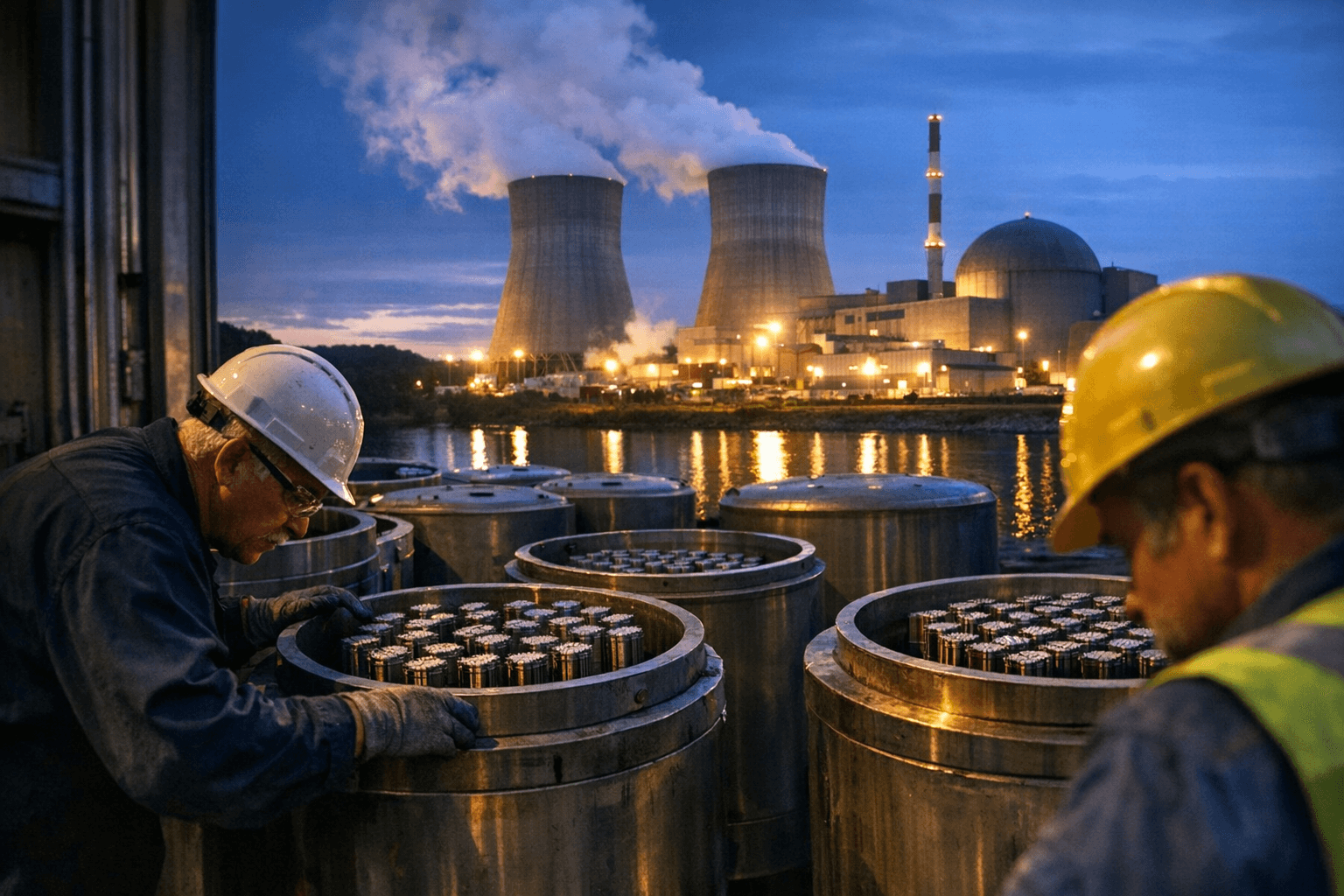
The market is already reacting. Urenco USA said on April 2, 2026 that its U.S. expansion had reached the halfway point after startup of a fourth new cascade. In March 2026, Framatome signed long-term fuel supply agreements with Vattenfall for Forsmark and Ringhals, and expanded its partnership with NuScale Power to support fuel delivery and supply-chain development. Those moves matter because they show the industry is not waiting for a future fleet before investing in the fuel system that keeps reactors running now.
The broader policy signal has been building since COP28, when nearly 20 additional governments joined the ambition to triple global nuclear capacity by 2050 and tied secure fuel supply to decarbonization, energy independence and national security. With World Nuclear Association projections putting global capacity at 1,446 GWe by 2050 if national targets are met, far above the 1,200 GWe tripling goal, the message from Monaco was clear: the next nuclear buildout will rise or fall on the strength of the plants already operating, and on the fuel chain that keeps them alive.
This article was produced by Prism’s automated news system from verified source data, official records, and press releases, then run through automated quality and moderation checks before publishing. The system is built and supervised by the people who set the standards it runs under. Read our full AI policy.
Did this article answer your question?