Grohnde nuclear plant clears fuel-free milestone, dismantling accelerates
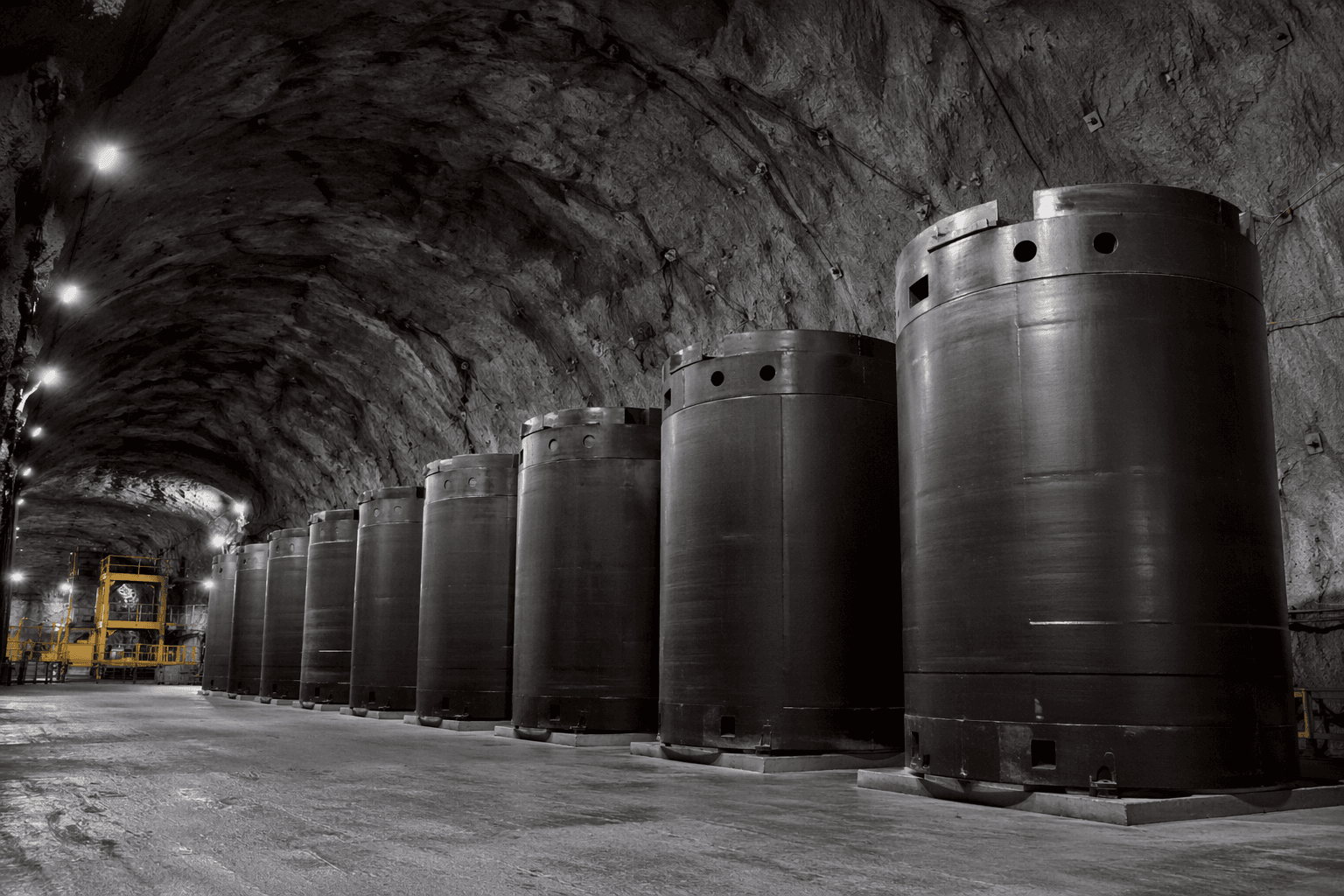
Grohnde’s last CASTOR left the reactor building on 7 April, pushing the plant from fuel removal into a full teardown phase.
_92736.jpg&w=1920&q=75)
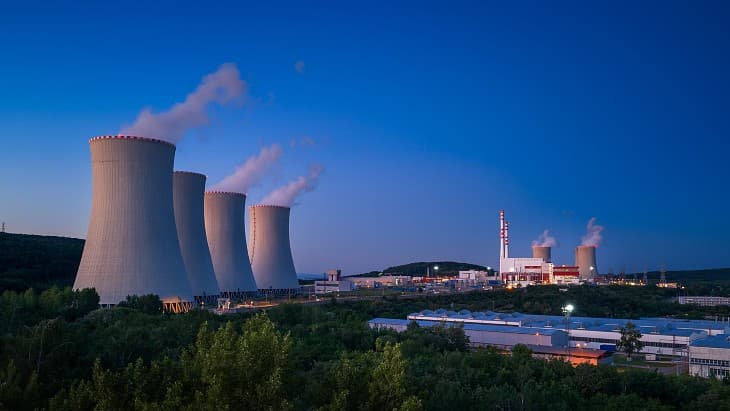
Grohnde has crossed the line from fuel management to industrial demolition. The last CASTOR container was loaded and moved from the reactor building to the on-site spent-fuel interim store on 7 April 2026, clearing the 1,360 MWe pressurized-water reactor for the harder work that follows: cutting apart hardware, packing waste and opening up space for dismantling crews.
The plant in Hameln-Pyrmont, Lower Saxony, stopped power generation on 31 December 2021 after about 37 years of operation. PreussenElektra applied to decommission and dismantle Grohnde back in October 2017, and the first decommissioning and dismantling permit did not arrive until 6 December 2023 from the Lower Saxony Ministry for the Environment, Energy and Climate Protection. Dismantling began in January 2024, so the move into fuel-free status comes after more than two years of actual teardown work, not before it.
What changes now is the sequence. With 694 fuel assemblies removed from the spent-fuel pool since 2023, PreussenElektra says more than 99 percent of the plant’s radioactivity left with the fuel. That matters because the remaining work is no longer about safeguarding the core inventory. It is about reorganizing the plant, clearing equipment out of the emptied spent-fuel pool area and turning those spaces over for storage, handling, dismantling and packaging of radioactive materials and residues.
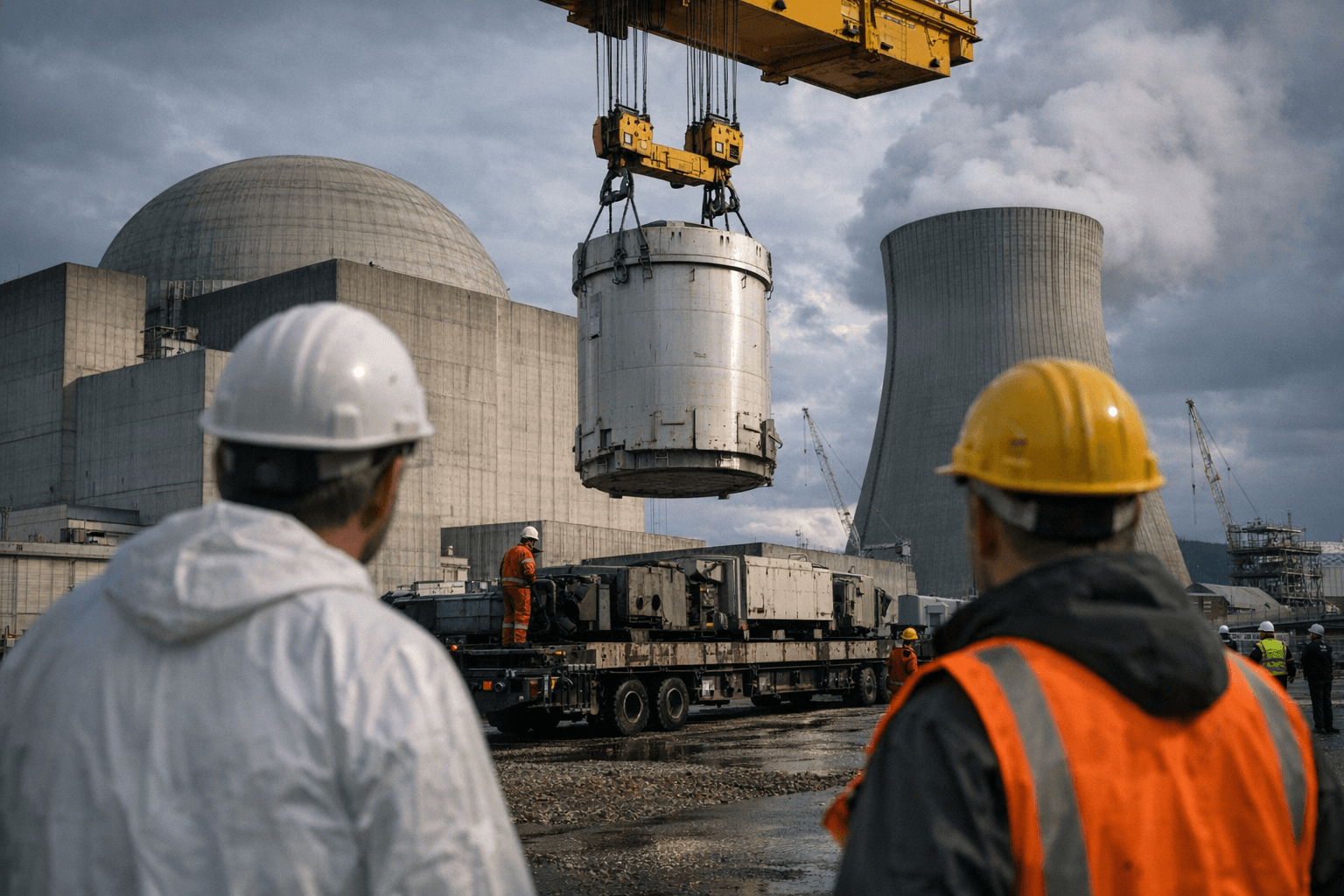
The company says the newly built transport preparation hall is ready to receive low- and intermediate-level radioactive waste from decommissioning, and the Lower Saxony ministry issued the waste and residue storage license in early April 2026. That gives Grohnde the infrastructure it needs for the next phase, which PreussenElektra says will include removal of reactor pressure vessel internals later in 2026. That job is a different order of difficulty from moving fuel: it means working inside heavily activated components, segmenting them, and keeping the waste stream under control from the first cut to final shipment.
Grohnde still employs about 500 people, and full decommissioning is scheduled to finish by 2039. PreussenElektra says Grohnde is one of eight nuclear plants it has in different stages of decommissioning, with the group aiming to dismantle all of its nuclear plants by 2040. Grohnde now shows the real pace of post-shutdown cleanup: long permit lead times, staged fuel removal, then years of disciplined industrial teardown.
This article was produced by Prism’s automated news system from verified source data, official records, and press releases, then run through automated quality and moderation checks before publishing. The system is built and supervised by the people who set the standards it runs under. Read our full AI policy.
Did this article answer your question?