Bulgaria pushes Kozloduy AP1000 plan, seeks local jobs and financing
Bulgaria wants 30% of Kozloduy's AP1000 work to go to local firms, but financing and a build contract still stand between it and construction.
Bulgaria is trying to turn the Kozloduy AP1000 plan into something more concrete than a political promise. The latest signal is a 30% workshare pledge for Bulgarian companies, a commitment that ties the new reactors to jobs, local industry, and northwestern Bulgaria’s economy.
That push matters because the project is still clearing the practical hurdles that separate design work from a final investment decision. Kozloduy NPP-New Builds said it expects at least 30% Bulgarian specialists and engineers in the project, and Westinghouse said it had already signed memoranda of understanding with 22 Bulgarian companies to help build the supply chain. The aim is not just a new reactor, but a domestic industrial footprint around it.
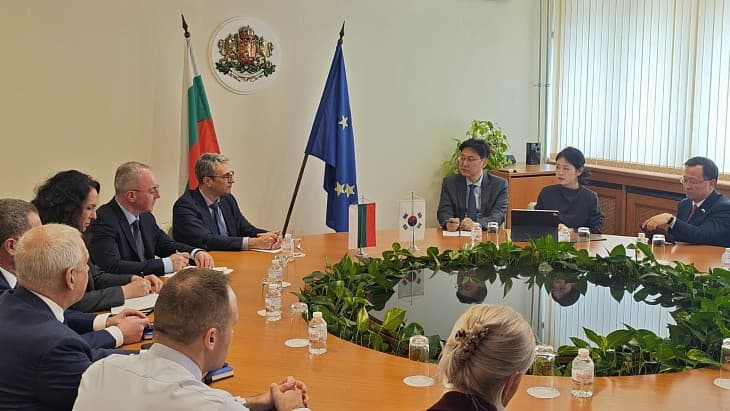
The engineering package is moving too. Westinghouse Electric Company, Hyundai Engineering & Construction, and Kozloduy NPP-New Build signed an engineering services contract in Sofia on November 4, 2024, building on the FEED contract Westinghouse signed with Kozloduy NPP-Newbuild in June 2023. The Bulgarian ministry said the Korean side reported progress and the need to extend that engineering contract, which expired on March 4, so extra technical work can be added and delays avoided.
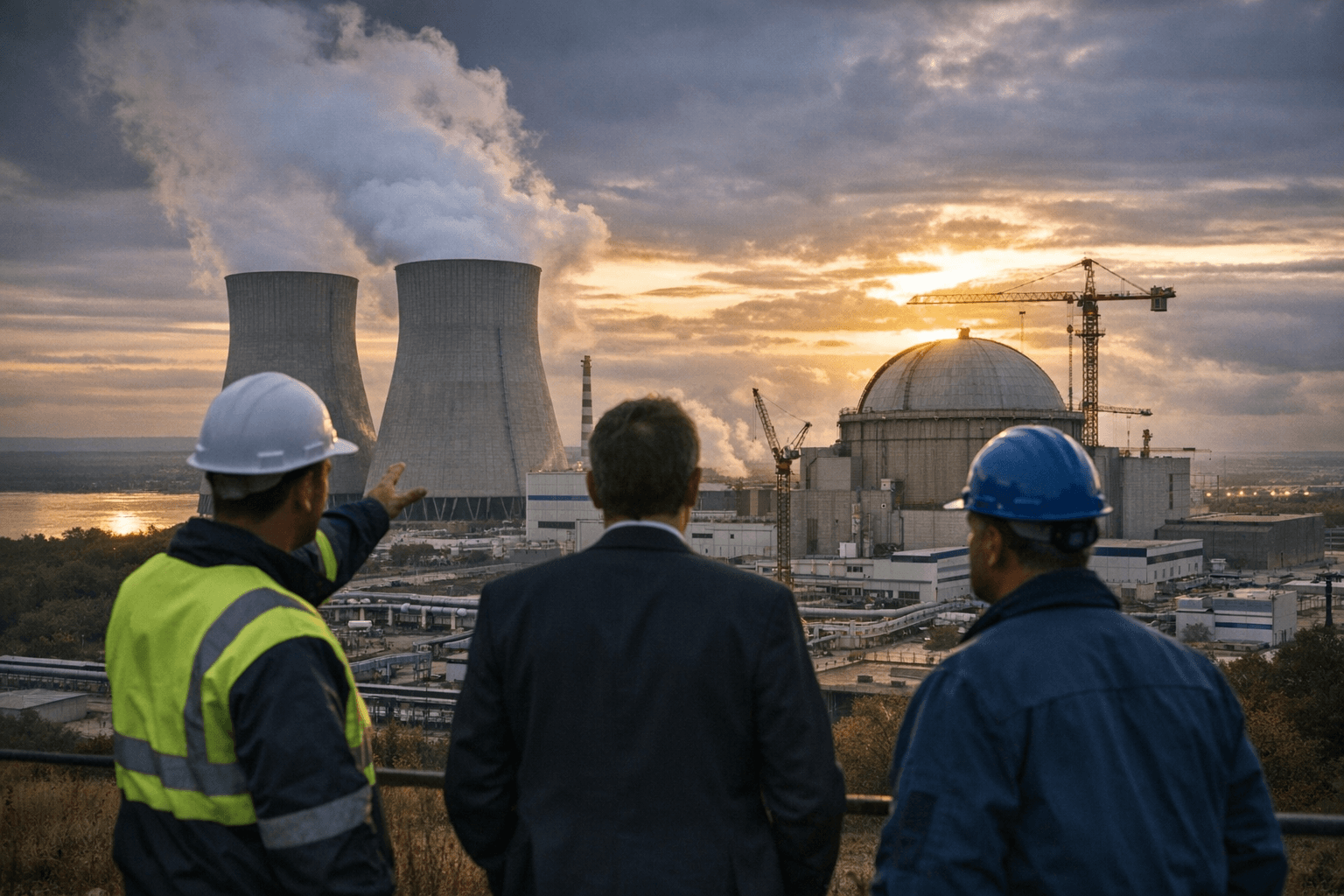
The schedule remains a long one. The first new AP1000 unit at Kozloduy, unit 7, is still targeted for 2035, with unit 8 following in 2037. Energy Minister Zhecho Stankov said in June 2025 that a construction contract for units 7 and 8 was expected by the end of 2026. Until that deal is signed, the project still needs financing, land acquisition, and the next rounds of engineering and procurement before it can move from paperwork to a real build.
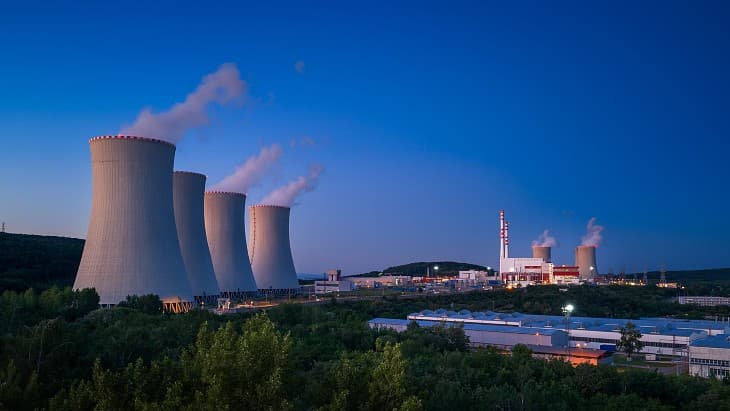
Bulgaria is also using Kozloduy’s existing plant as proof that the site matters to the national grid. Units 5 and 6 are VVER-1000 reactors that have been refurbished and licensed for operation up to 60 years, and the plant has been reported to supply about 34% of Bulgaria’s electricity. The country shut four older VVER-230 units before joining the European Union in 2007, leaving Kozloduy as the center of its nuclear fleet. The new AP1000 units would be the first of their kind in Europe, and Sofia is still betting that the combination of local jobs, outside finance, and a 2030s schedule can carry the project to a final decision.
This article was produced by Prism’s automated news system from verified source data, official records, and press releases, then run through automated quality and moderation checks before publishing. The system is built and supervised by the people who set the standards it runs under. Read our full AI policy.
Did this article answer your question?