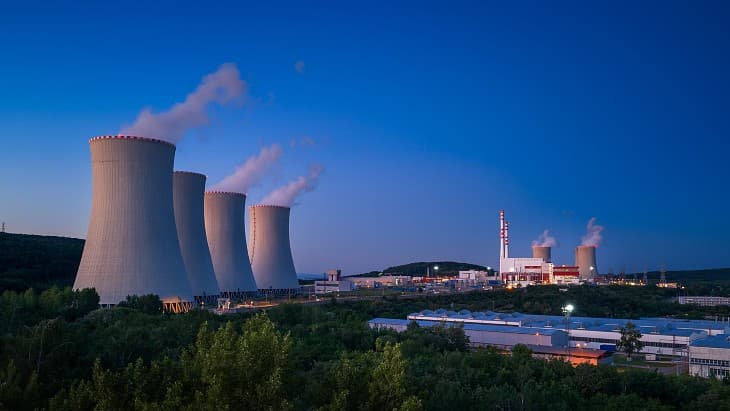
ČEZ prepares to extend Dukovany reactor life to 80 years
ČEZ started preparing Dukovany for 80-year operation, a move that could keep about 2,040 MW online while the current licences still run only to the mid-2030s.
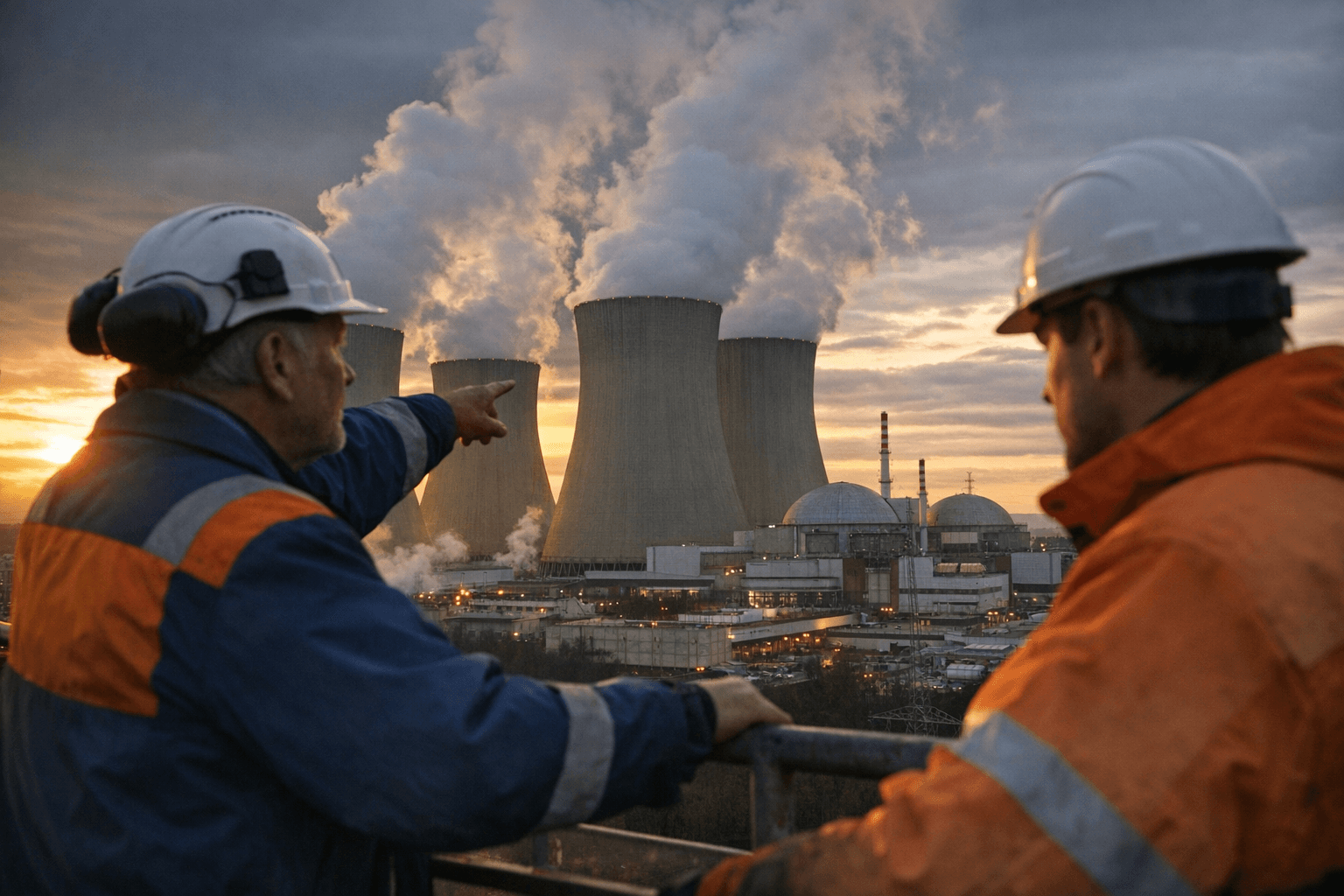
ČEZ has started the formal work needed to push Dukovany toward roughly 80 years of operation, a move that could keep about 2,040 MW of nuclear capacity on the Czech grid if the plant keeps passing safety reviews and investment milestones. The four reactors at Dukovany entered service from 1985 to 1987, and uprates have lifted each unit from its original output to about 510 to 512 MW.
The extension case is built on steady plant renewal, not a single engineering fix. ČEZ said Czech nuclear stations spend about CZK 7 billion a year on safety enhancements and upgrades, including generator renewal, piping route reconstruction, valve and electrical work, and new control and safety systems. Dukovany had already lengthened refueling intervals in 2024, and ČEZ’s 2026 modernization plan set aside about CZK 4.4 billion for the site, with spending aimed at turbines, pumps and other equipment tied to long-term operation and possible output gains.
Regulation will decide how far that ambition can go. The current Dukovany operating licences from the State Office for Nuclear Safety are valid only until the mid-2030s, so an 80-year life would require further approvals, repeated inspections and continued proof that the hardware remains fit for service. ČEZ’s own nuclear overview had previously assumed Dukovany would reach the end of its life in 2027, showing how far the company has moved the target as refurbishment work has continued.
On 9 April, ČEZ chief executive Daniel Beneš said 80-year operation is becoming a global trend and is realistic for the Czech Republic if the units are regularly assessed for condition and safety. Deputy prime minister Karel Havlíček has said the reactors could stay online until around 2065 to 2067, which would turn an aging Soviet-era station into one of the country’s longest-lived industrial assets.
The push at Dukovany also fits into a wider nuclear strategy. ČEZ is analyzing the possibility of longer operation at Temelín, where two 1,000 MW units started commercial operation in 2002 and 2003 and were previously expected to run to about 2042. The company’s 2026 modernization plan assigned another CZK 3.8 billion to Temelín, including a longer fuel cycle and a new Westinghouse control system.
ČEZ says the Dukovany extension does not replace new build. The new Dukovany project and small modular reactors remain part of the plan, but keeping the existing fleet in service is one of the fastest ways to preserve low-carbon baseload power while larger projects move through licensing and construction. If the extension succeeds, the Czech Republic keeps a 2-gigawatt nuclear block on the grid, and that is the kind of capacity replacement no new reactor can deliver overnight.
This article was produced by Prism’s automated news system from verified source data, official records, and press releases, then run through automated quality and moderation checks before publishing. The system is built and supervised by the people who set the standards it runs under. Read our full AI policy.
Did this article answer your question?