General Atomics builds San Diego test facility for fusion blankets
General Atomics won a $20 million California tax credit to push a San Diego blanket test facility, a key step toward breeding tritium inside future fusion reactors.

General Atomics secured a $20 million California Competes Tax Credit to advance its Blanket Component Test Facility in San Diego, moving one of fusion’s toughest hardware problems closer to construction. The award, routed through the California Governor’s Office of Business and Economic Development, backs a project aimed at testing the blanket that lines a fusion vessel, captures energy and helps make tritium.
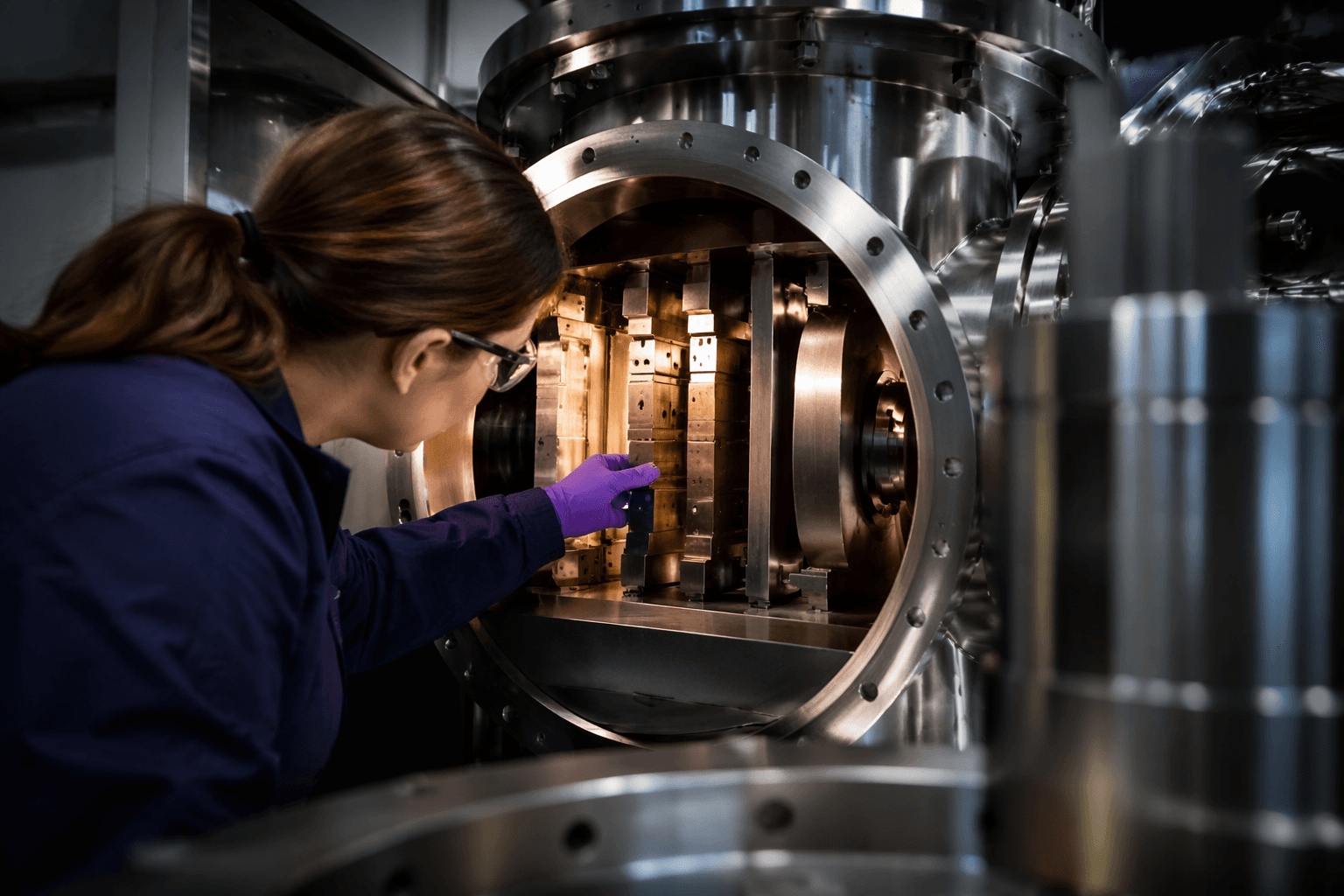
The company laid out the plan in a June 11 announcement tied to collaboration with the U.S. Department of Energy. General Atomics said the proposed BCTF would be built to validate full-scale blanket components under realistic conditions, a step it describes as essential because nobody has tested a fusion blanket at that scale. The facility is meant to start with the basics: proving that circulating blanket fluids can pull out heat, survive mechanical stress and safely extract fuel at power-plant levels before moving into harder neutron and tritium work.
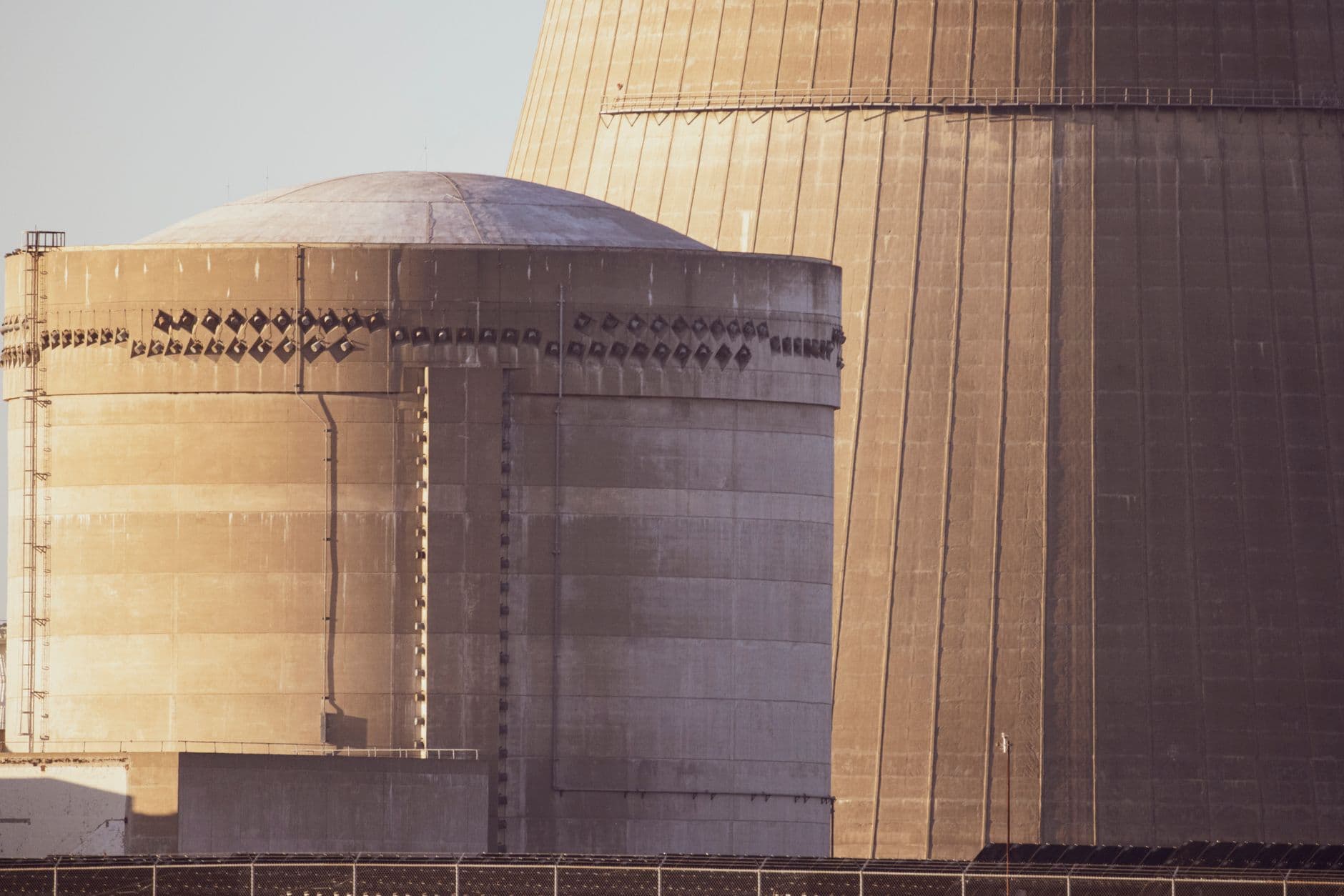
That sequencing matters because a commercial fusion plant has to do more than make plasma. ITER’s materials spell out the problem plainly: in deuterium-tritium fusion, high-energy neutrons are absorbed by the blanket, and if lithium is present, the blanket can breed tritium, the fuel that has to be removed and recycled. ITER says a future power plant will need to breed all of its own tritium to stay self-sustaining, which is why its test blanket module program exists in the first place. The ITER Council endorsed that TBM coordination in June 2017, and ITER says the modules are intended to generate the data needed to design, qualify and operate breeding blankets for DEMO reactors.
General Atomics said the San Diego project would be a public-private partnership with Idaho National Laboratory, the University of California San Diego, Kyoto Fusioneering and other industry and academic collaborators. The company also said the Department of Energy provided seed money to Idaho National Laboratory to start preconceptual design work and build the partnerships around it. General Atomics framed the facility as a way to strengthen San Diego’s role as a fusion innovation hub and support a growing workforce.
The company said the BCTF would build on its existing Magnet Technologies Center in San Diego, the former site where the ITER Central Solenoid, which General Atomics calls the world’s most powerful pulsed superconducting magnet, was completed last year. That makes the new blanket facility feel like the next hard step after magnet hardware: not another paper exercise, but the kind of specialized test stand fusion will need if it ever wants to close its own fuel cycle.
This article was produced by Prism’s automated news system from verified source data, official records, and press releases, then run through automated quality and moderation checks before publishing. The system is built and supervised by the people who set the standards it runs under. Read our full AI policy.
Did this article answer your question?