ITER Says Fusion Megaproject Is Back on Track After Years of Delays
ITER said its schedule and cost indices have stayed above 1.0 for two years, with vacuum vessel assembly holding steady. The next test is whether that discipline survives into the 2034 research target.
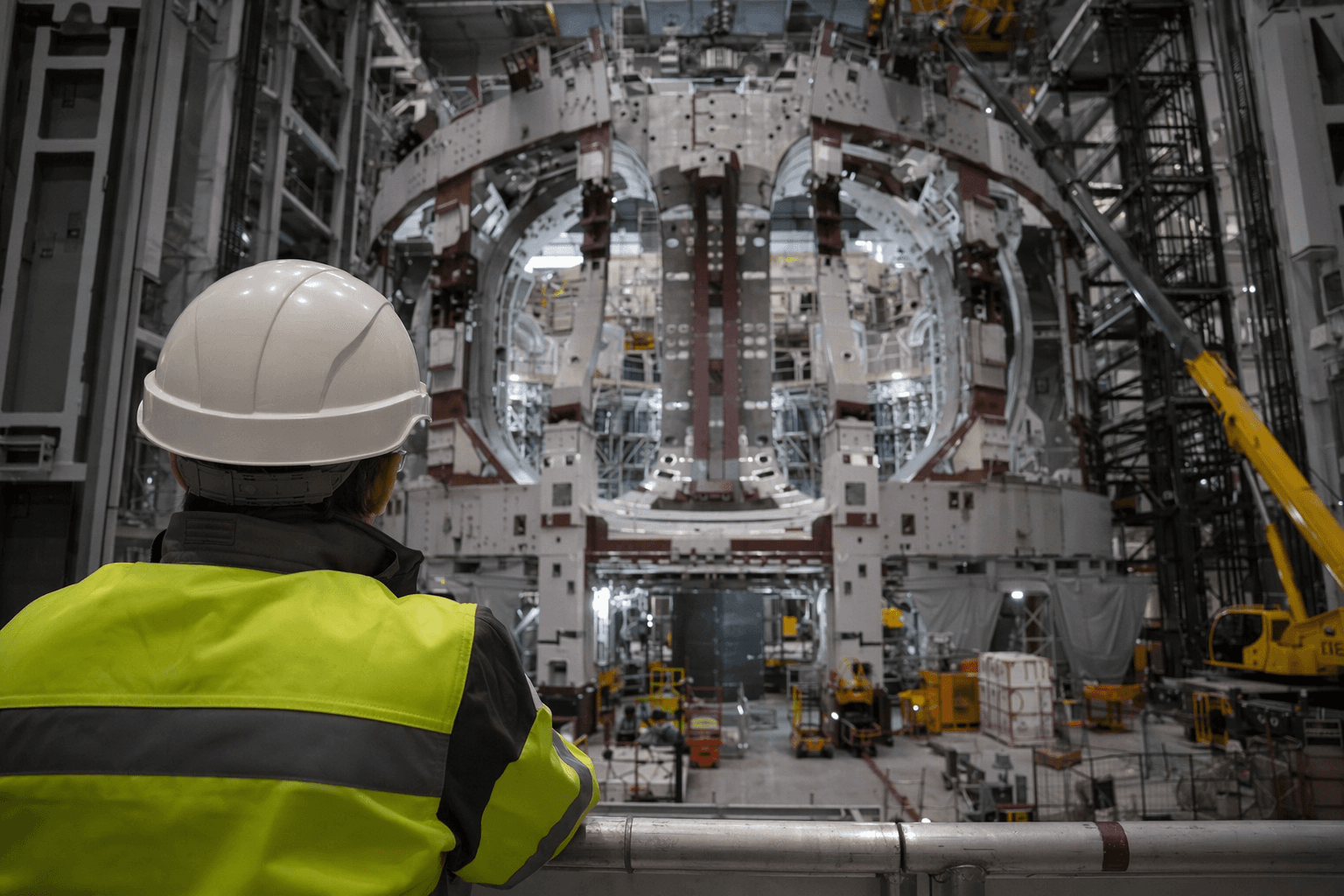
ITER’s giant tokamak is moving through assembly with a new claim it could not make a few years ago: the fusion megaproject says it is on budget and on schedule. That matters because the Cadarache build has long been the poster child for what happens when a first-of-its-kind reactor runs into component defects, crowded interfaces and a schedule that slipped years beyond its original plan.
The turnaround rests on a tighter baseline. ITER formally updated its program in July 2024, pushing research activities to 2034 and setting three goals for the reset: optimize the overall schedule, shorten the delay to substantial research operations, and cut licensing and technical risk. In its November 2025 review, the ITER Council said the project’s schedule and cost performance indices had stayed above 1.0 for the past two years, which ITER interprets as evidence that execution is running ahead of the baseline and spending is staying under control.
That is a sharper picture than the one that dominated the project in earlier reporting waves, when delays were measured in years and extra costs in billions of euros. ITER began assembly in July 2020 after the central tokamak building was handed over in March 2020, and the first major assembly milestone came with the 1,250-tonne cryostat base in May 2020. Even then, the original five-year assembly forecast looked aggressive. The current timetable now points to research operations in 2034, a reality check for anyone expecting a faster march from construction to plasma.
What appears to have changed is less the physics than the management discipline around a machine that contains an estimated one million components. ITER says progress on vacuum vessel assembly, a key schedule driver, was steady through 2025, and that is the sort of measurable work package that can make or break confidence in a project this size. The tokamak will ultimately rely on nearly 3,000 tonnes of superconducting magnets linked by 200 kilometers of superconducting cables and cooled by the world’s largest cryogenic plant, so the program’s credibility depends on each assembly step landing cleanly in sequence.
Pietro Barabaschi, who began his five-year term as director-general in October 2022, has also leaned harder into the wider fusion ecosystem. ITER hosted its third public-private fusion workshop at Cadarache on April 28-29, 2026, drawing nearly 300 participants from private companies, research institutes, suppliers, industry groups, investors and NGOs. With around 68 fusion companies now active in the private sector, Barabaschi has cast the competition as healthy, saying, “constructive competition is good for our field.”
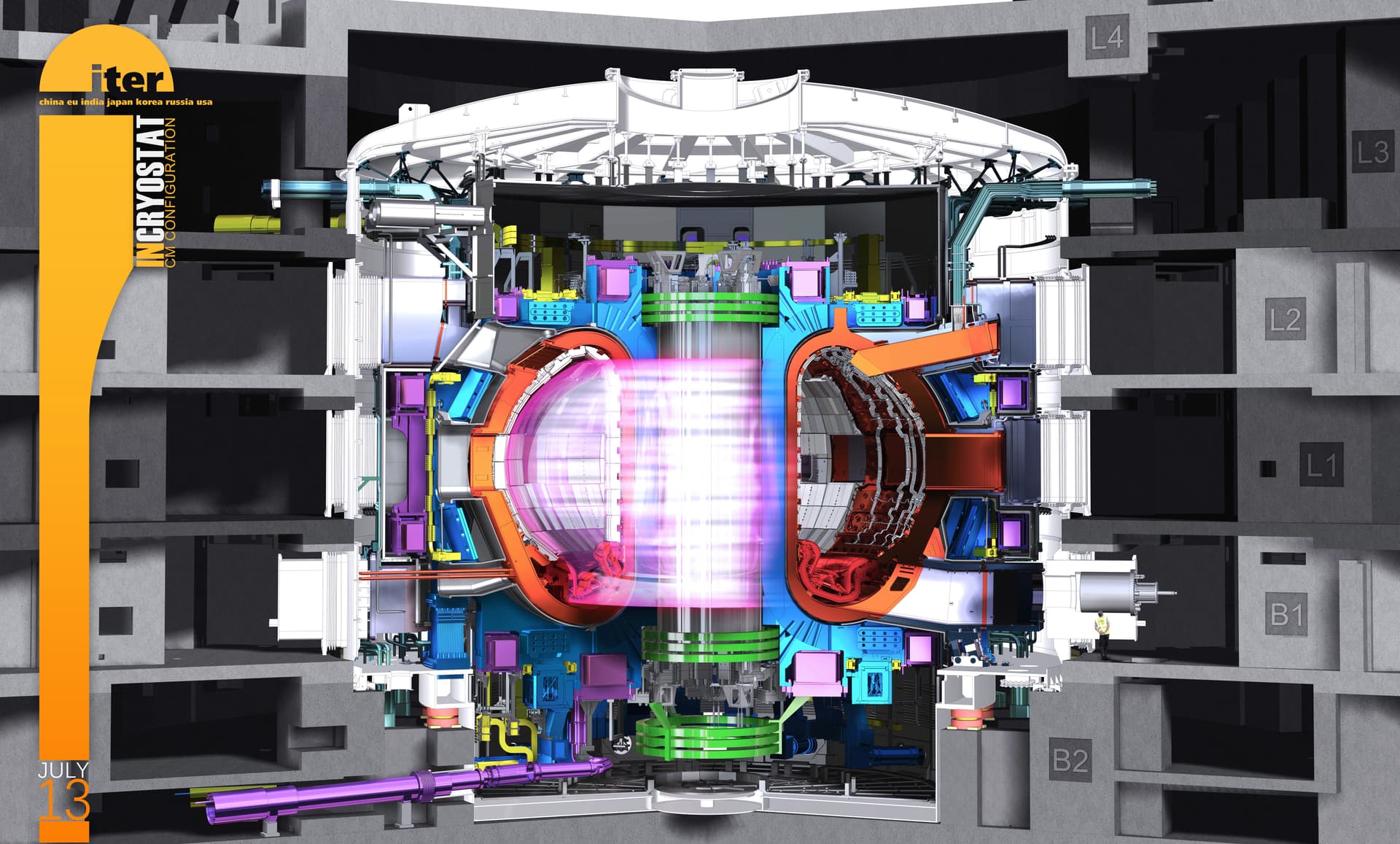
The bigger test is still ahead. ITER is not a commercial plant, but it remains the most visible attempt to prove that China, the European Union, India, Japan, Korea, Russia and the United States can build fusion hardware at power-plant scale. If the new baseline holds, the next proof point is not a speech in Cadarache. It is whether the vacuum vessel and the rest of the tokamak keep assembling on time, in the pit, without another reset.
This article was produced by Prism’s automated news system from verified source data, official records, and press releases, then run through automated quality and moderation checks before publishing. The system is built and supervised by the people who set the standards it runs under. Read our full AI policy.
Did this article answer your question?


