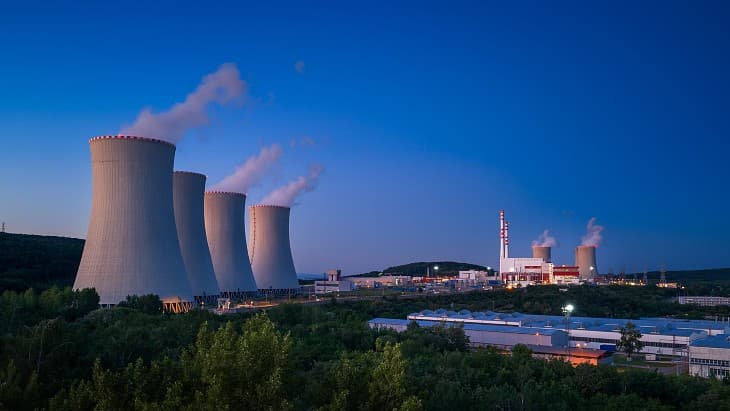
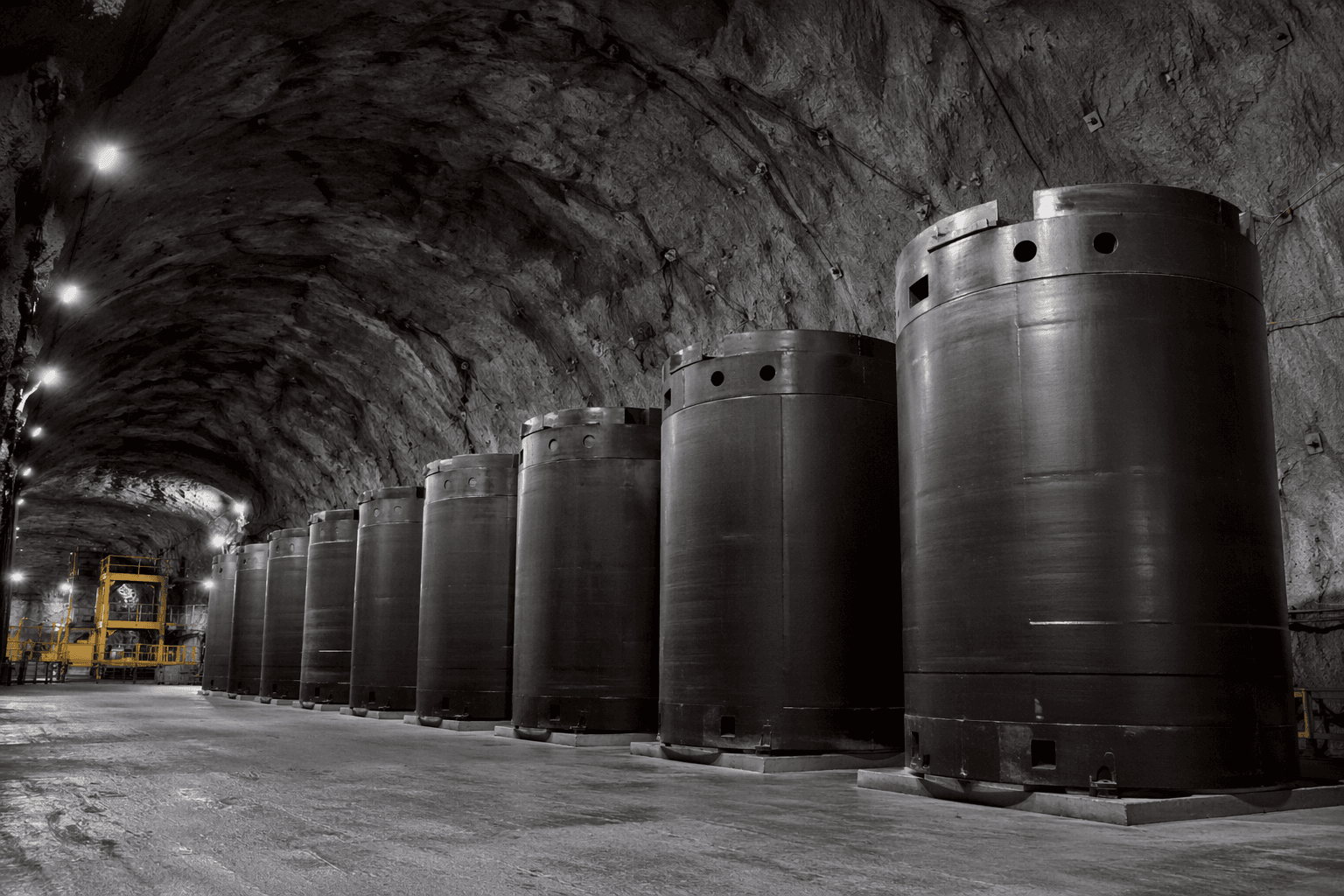
Kudankulam Unit 3 Enters Active Commissioning With Safety System Flushing
Safety-system flushing has begun at Kudankulam Unit 3, pushing the 1,000 MWe reactor into active commissioning after fuel delivery and years of buildout.
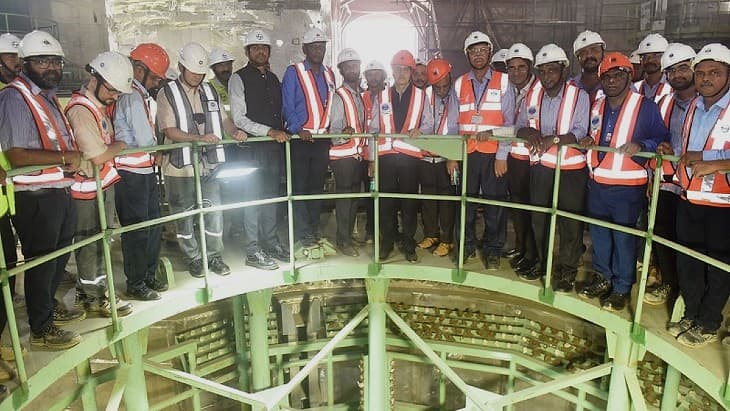
Safety-system flushing at Kudankulam Unit 3 has started, and that is the point where a reactor stops looking like a construction job and starts being treated like a plant that has to work under nuclear conditions. The 1,000 MWe unit in Tirunelveli district, Tamil Nadu, has moved into active commissioning, with the safety circuits now being cleaned and prepared for the next steps before fuel loading and startup testing.
That matters because flushing is not a ceremonial milestone. It is one of the discipline-heavy checks that clears piping and associated systems of construction residue, protects equipment that will matter once the reactor is fuelled, and sets up the safety trains for the open-reactor tests that come next. Rosatom said Unit 3 was in pre-startup operations and preparing for “one of the most important milestones” in the sequence, the testing of the safety systems for the open reactor. In nuclear startup terms, this is where the plant stops being a project and starts being hardware that has to earn trust.
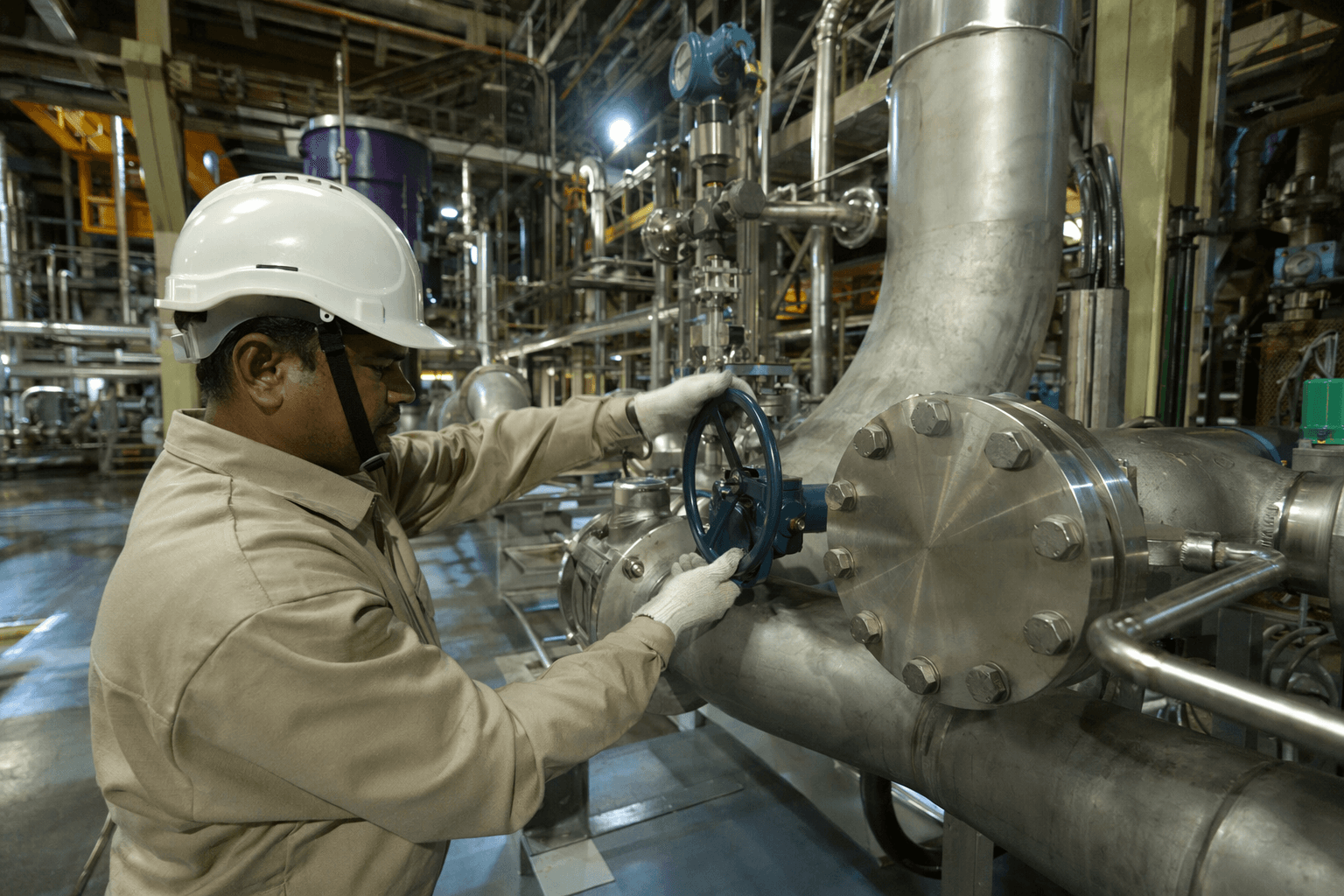
The timing also fits the fuel side of the schedule. The first nuclear fuel for Unit 3 arrived in December 2025 under a 2024 contract that covers fuel supply for Units 3 and 4 over the full operating life of both units. That is a useful marker for how Kudankulam is being built and commissioned: civil works, fuel logistics, and operating arrangements are being stitched together as one long program, not handled as separate jobs.
Kudankulam is not a first unit in a greenfield market. Unit 1 entered commercial operation on 31 December 2014 and has generated 67,008 MUs, while Unit 2 entered commercial operation on 31 March 2017 and has generated 53,603 MUs, according to Nuclear Power Corporation of India Limited’s latest posted operating-performance figures. Units 3 and 4 are the KKNPP 3&4 expansion project, and Units 5 and 6 are also under construction. Two larger AES-2006 units, Units 7 and 8 with VVER-1200 reactors, have been proposed as a fourth phase.
So does Unit 3’s progress mean India’s Russian-built expansion is finally speeding up? It does show real momentum, because safety-system flushing and fuel delivery are hard commissioning signals, not paper milestones. But the commercial-operation date for Unit 3 is still under review, which suggests the project is advancing, not racing. At a site about 100 kilometers from Tuticorin, the pace is still the familiar Kudankulam blend of steady movement and long-haul schedule drag, even as the plant edges closer to another grid-connected reactor.
This article was produced by Prism’s automated news system from verified source data, official records, and press releases, then run through automated quality and moderation checks before publishing. The system is built and supervised by the people who set the standards it runs under. Read our full AI policy.
Did this article answer your question?