NRC Reviews First Real-World Update to Westinghouse AP1000 Design
The NRC opened a four-month AP1000 review that could turn Vogtle’s hard-won build lessons into a faster path for the next U.S. reactor order.

The U.S. Nuclear Regulatory Commission has started a fast-track review that could decide whether the AP1000 becomes a cleaner template for the next wave of U.S. reactor orders, or stays a design frozen in old paperwork while the industry keeps relearning the same lessons.
Westinghouse Electric Company filed its renewal and update request on March 27, and the NRC announced receipt of the application on April 6. The agency now aims to finish the technical review by August 31, a roughly four-month turnaround for what the NRC says is the first time a certified U.S. reactor design will be revised using real-world construction and operating experience from plants that were actually built and run.
The commercial stakes are straightforward. Westinghouse wants the certified AP1000 design aligned with the as-built configuration of Vogtle units 3 and 4 at Plant Vogtle near Waynesboro, Georgia. Unit 3 entered commercial operation on July 31, 2023, and Unit 4 followed on April 29, 2024, completing the long-delayed AP1000 buildout and making Plant Vogtle the largest nuclear power plant in the United States by total generating capacity. Westinghouse said Revision 20 of the AP1000 Design Control Document establishes Vogtle Unit 4 as the standard AP1000 reference plant for U.S. deployment.
That matters because a design certification that reflects the plant as built is easier for future applicants to use. Instead of forcing the next utility to argue through every lesson from scratch, the update could fold construction changes and operating experience from Vogtle into the certified design itself. For any company weighing another large reactor order in the United States, that can mean less uncertainty, less duplication in licensing work, and a clearer path to financing.
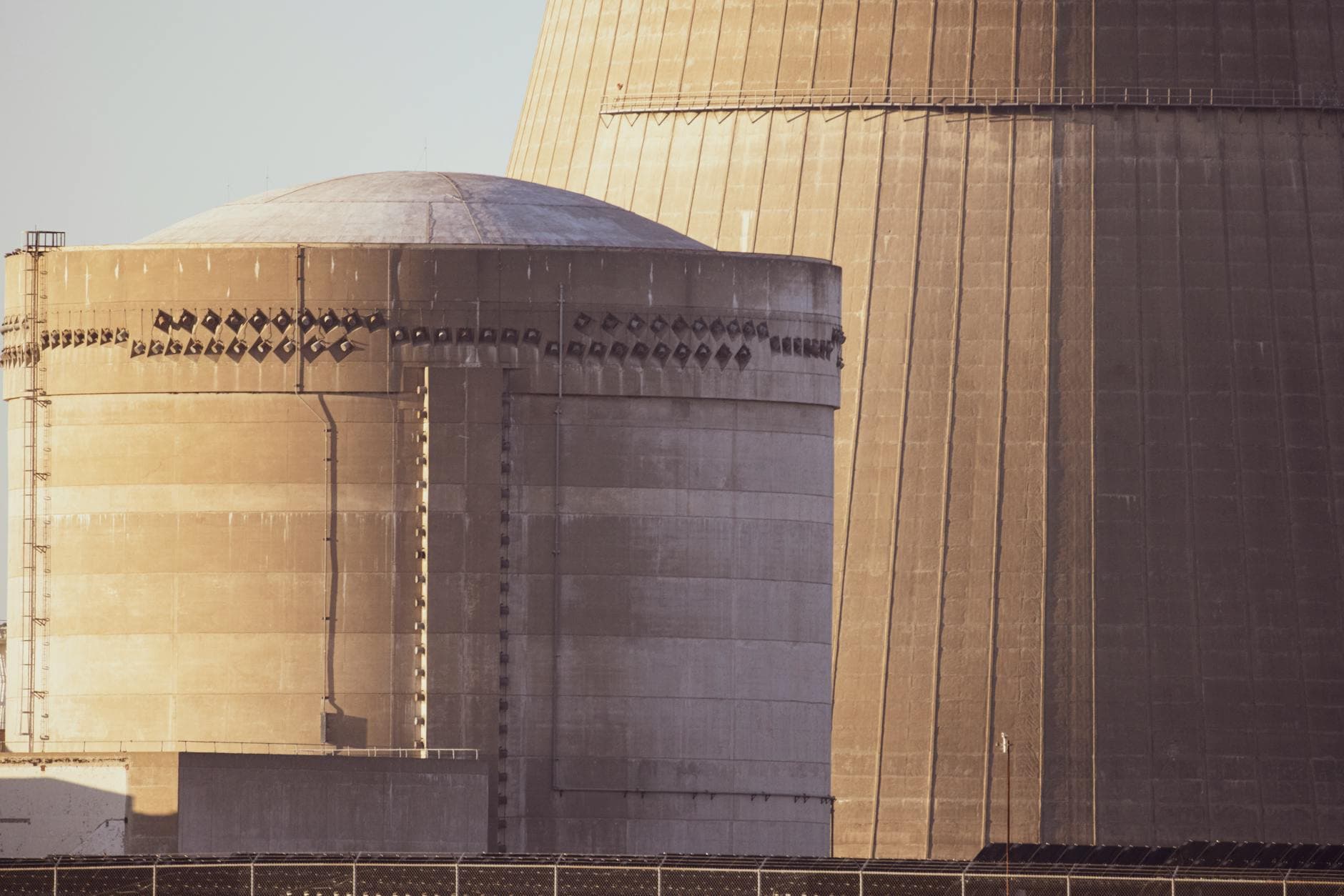
The timing also gives the review historical weight. The NRC first certified the AP1000 in 2006, and the current certification runs through 2046 after a 2021 rule extended design certifications from 15 years to 40 years and updated the AP1000 to reflect earlier Westinghouse changes. The agency’s AP1000 project page says formal review began in March 2002, a reminder of how long a large reactor can take to move from design review to commercial operation.
Jeremy Bowen, director of the NRC’s new Office of Advanced Reactors, said the review is the first update of a design certification based on actual construction experience and could help speed licensing, lower regulatory uncertainty and costs, and support more nuclear deployment. The NRC also plans formal rulemaking to update the certification, with public comment opportunities built into the process. If that works, Vogtle’s lessons will not just sit inside Georgia’s two newest reactors. They will become part of the licensing capital for the next large reactor order in the United States.
This article was produced by Prism’s automated news system from verified source data, official records, and press releases, then run through automated quality and moderation checks before publishing. The system is built and supervised by the people who set the standards it runs under. Read our full AI policy.
Did this article answer your question?


