MURR Becomes Sole U.S. Supplier of Gadolinium-153 for Medical Imaging
MURR is now the only U.S. source of Gd-153, the radioisotope behind bone density calibration, ending American dependence on foreign supply chains.
%202x1.jpg&w=1920&q=75)
The University of Missouri Research Reactor has become the only facility in the United States producing gadolinium-153, and one of just two such producers anywhere on the planet. The Department of Energy's Office of Isotope R&D and Production confirmed the milestone on March 26, 2026, marking a significant shift in how American hospitals and medical device manufacturers source this niche but clinically essential radioisotope.
Gd-153 is used primarily in bone density scanning systems and other imaging calibration equipment. Before MURR stood up domestic production, U.S. clinicians and manufacturers sourced the isotope entirely from foreign suppliers, a dependency that left the supply chain exposed to the kind of disruptions that have periodically rattled the broader medical isotope market. The same fragility has affected Tc-99m, I-131, and other isotopes for years, driving DOE and health agencies to push for domestic production redundancy.
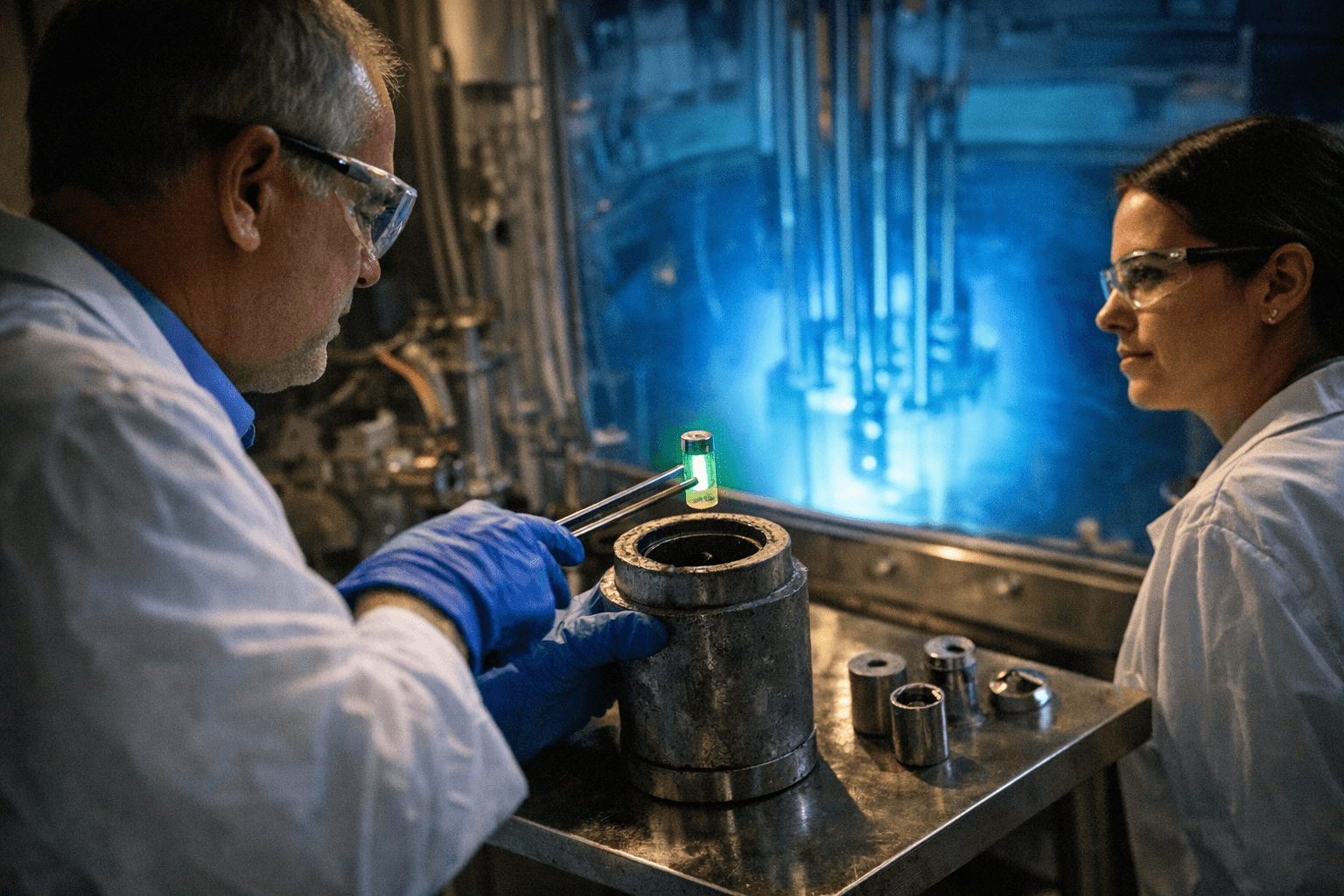
Producing Gd-153 is not a trivial operation. At MURR, the process begins with neutron irradiation of a target material inside the research reactor, followed by chemical processing to isolate the isotope at the specific activities and purities required for medical use. MURR completed the necessary infrastructure investments and qualification steps to certify production for clinical markets before the announcement, satisfying the regulatory and quality requirements that govern supply to clinical end-users.
The DOE's Office of Isotope R&D and Production framed the development as part of its broader strategy to strengthen domestic isotope capacity, a portfolio that already spans Mo-99, Lu-177, and actinium-based therapeutics. MURR's role in that ecosystem is now considerably larger.
For medical device manufacturers that depend on Gd-153 calibration sources, domestic supply translates directly to shorter lead times and a more predictable procurement pipeline. Previously, international shipping timelines and foreign regulatory dependencies added friction to what is already a time-sensitive supply chain, given the isotope's finite shelf life and clinical scheduling demands.
Whether MURR's production capacity can fully meet market demand remains an open question. Ongoing supply contracts, quality-control oversight, and regulatory reporting will all factor into how smoothly Gd-153 moves from the reactor floor in Columbia, Missouri to clinical end-users. With a single U.S. facility now holding the entire domestic supply, the pressure to maintain continuity of operations at that one reactor is correspondingly concentrated.
This article was produced by Prism’s automated news system from verified source data, official records, and press releases, then run through automated quality and moderation checks before publishing. The system is built and supervised by the people who set the standards it runs under. Read our full AI policy.
Did this article answer your question?