Navy to test powering Norfolk base from a nuclear aircraft carrier
A Ford-class carrier at Norfolk may soon do something no U.S. warship has been asked to do at scale: feed shore power to a naval base. The test would put nuclear propulsion to work as emergency grid support.
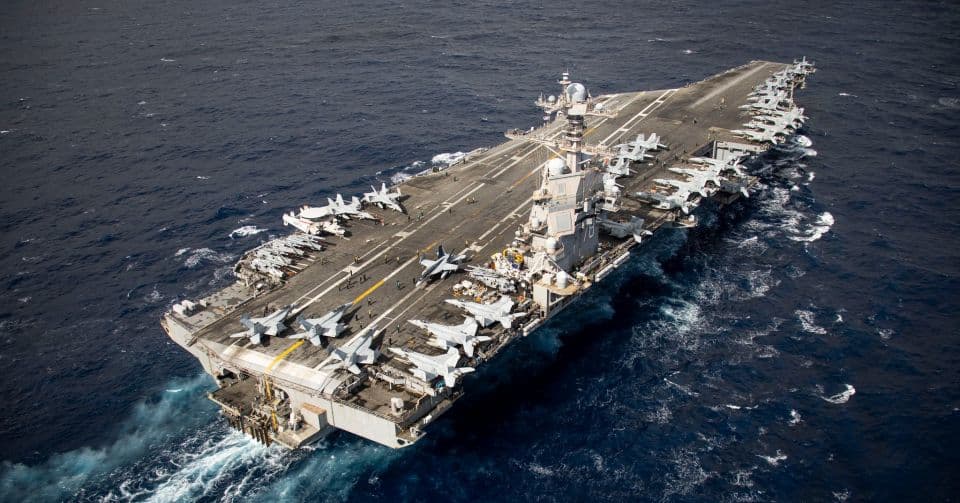
A Ford-class carrier tied up at Naval Station Norfolk may soon be asked to do more than launch aircraft and support the Atlantic Fleet. The Navy plans to test whether the ship can send electricity ashore to power the base, turning a nuclear aircraft carrier into an emergency source for critical shore infrastructure.
Acting Secretary of the Navy Hung Cao told Congress the base is going to be powered from an aircraft carrier, and a Navy spokesperson said an initial test is planned later this year. Cao assumed the duties and responsibilities of the job on April 22, 2026, and the Norfolk test now sits inside a broader push to make Navy installations less dependent on fragile grids and backup systems.
That push has been building for years. The Department of the Navy defines energy resilience as the ability to avoid, prepare for, minimize, adapt to, and recover from energy disruptions so mission assurance and readiness can continue. Its 2020 installation energy strategy warned that aging generation, distribution and backup systems are eroding readiness across shipyards, piers, maintenance facilities, armories, magazines, training ranges, simulators, weapons systems and shore communications. Naval Station Norfolk, which supports the operational readiness of the U.S. Atlantic Fleet, is a logical place to test a new answer to that problem.
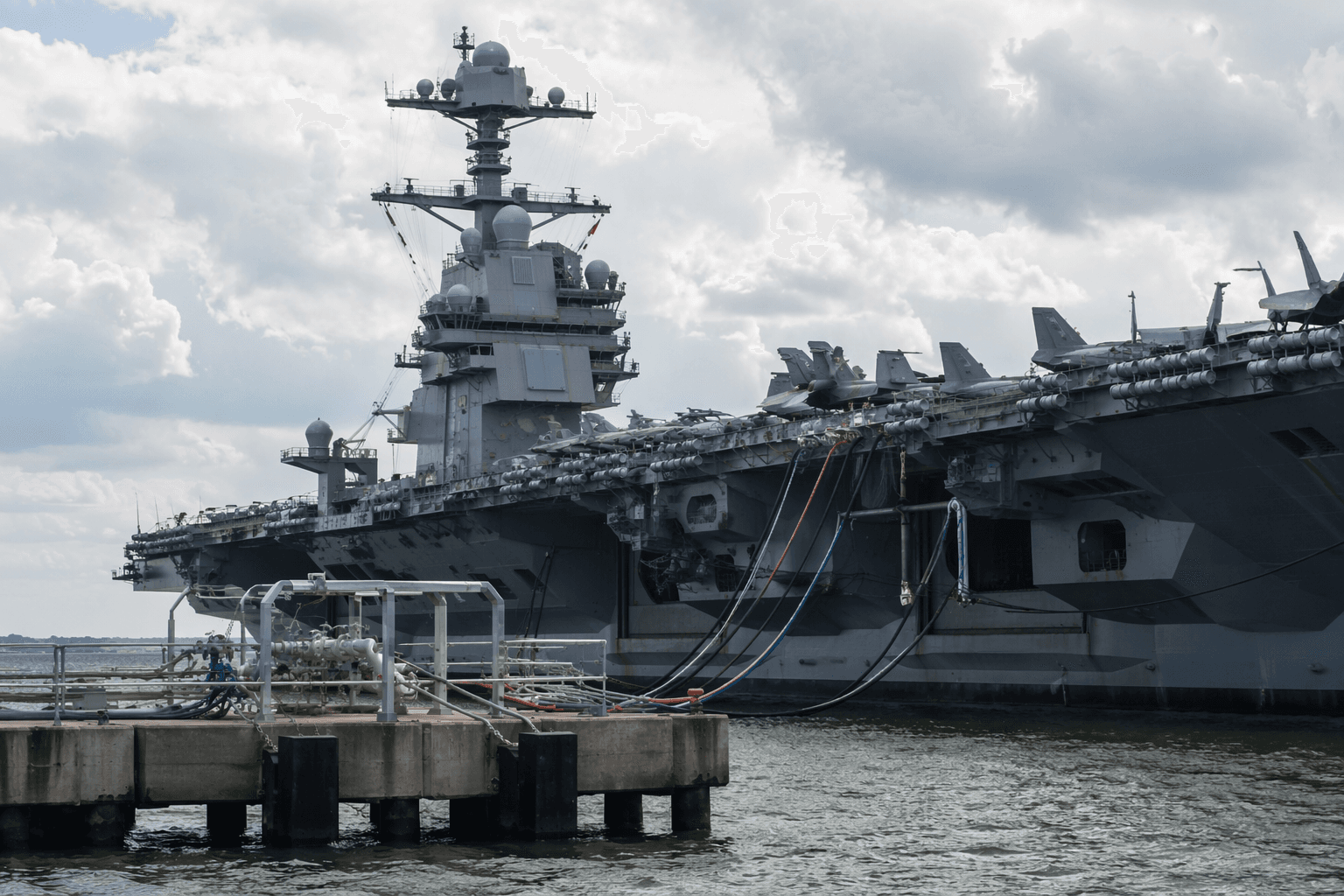
The Navy described the carrier-power concept as part of a multipronged strategy to provide firm baseload power for installations and improve energy resilience. The practical question is whether a nuclear carrier can move from being a self-contained propulsion plant to a dependable shore utility during a crisis. That means power transfer, synchronization with shore systems, and safe operation under conditions that do not interrupt the ship’s own mission or compromise reactor safety. If it works, the test could point to a new contingency tool for disasters, grid failures or other disruptions that leave a base exposed.
The choice of platform matters. The USS Gerald R. Ford is the lead ship of a next-generation class the Navy says is built to serve for 50 years as a centerpiece of national defense. Navy material says the Ford class incorporates 23 new technologies spanning propulsion, power generation, ordnance handling and aircraft launch systems, and it has been described as more capable and more efficient than earlier carriers, with greater electrical production from the nuclear power plant. Ford returned to Naval Station Norfolk on May 16, 2026, after an 11-month deployment with nearly 4,500 sailors, underscoring that the ship is already part of the waterfront reality there.
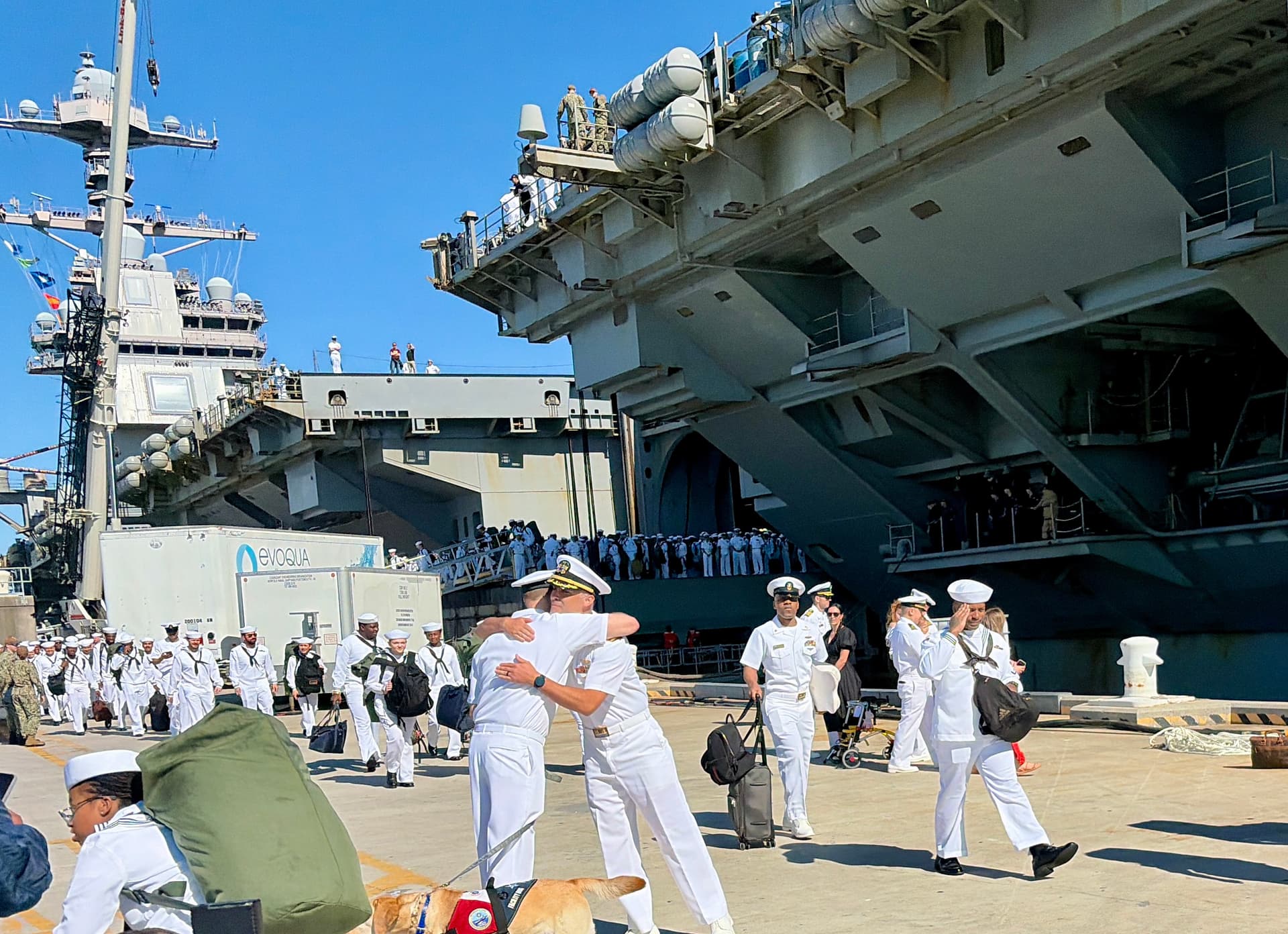
The timing also lands as Congress keeps a close eye on the carrier program. A Congressional Research Service report says the Navy’s FY2026 budget requested about $3.4 billion for Ford-class ships, while other CRS reporting says John F. Kennedy is scheduled for delivery in July 2025 and Enterprise in March 2028. For now, the Norfolk test is the most tangible sign yet that the Navy is thinking of a nuclear carrier not just as a warship, but as a mobile power plant for the shore.
This article was produced by Prism’s automated news system from verified source data, official records, and press releases, then run through automated quality and moderation checks before publishing. The system is built and supervised by the people who set the standards it runs under. Read our full AI policy.
Know something we missed? Have a correction or additional information?
Submit a Tip