NIF marks a decade of progress after first fusion ignition breakthrough
NIF’s Dec. 5, 2022 shot delivered 3.15 megajoules from 2.05, and LLNL is now treating that ignition as a scorecard, not a trophy.
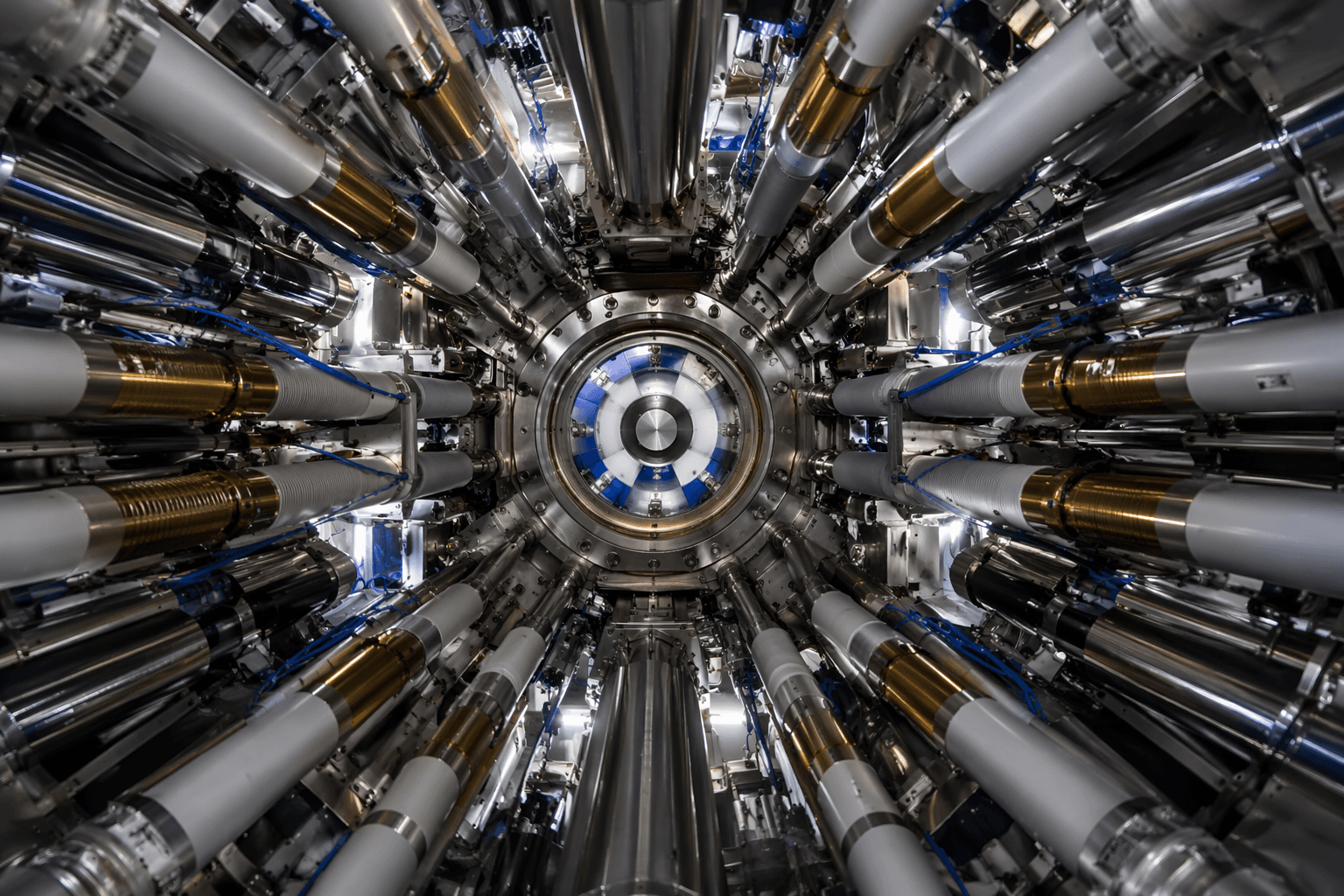
The real test at the National Ignition Facility is no longer whether ignition happened. It is whether the shot that lit the fire in Livermore can be turned into something repeatable, and Lawrence Livermore National Laboratory is using a decade milestone to make that point hard to miss.
In a May 22 lab report, LLNL marked 10 years of progress at NIF by returning to the experiment that changed the conversation: the Dec. 5, 2022 implosion of a capsule of deuterium and tritium fuel. That shot used 192 laser beams, delivered 2.05 megajoules of ultraviolet laser energy to the target, and produced 3.15 megajoules of fusion energy, the first laboratory demonstration of fusion ignition and energy gain at NIF. The result did not come out of nowhere. LLNL ties it back to the project’s original 2009 goal of target gain greater than 1, a benchmark that had been hanging over the program since inception.
What stands out in the lab’s framing is not a victory lap but the list of things that still had to be fixed. John Lindl and colleagues, in the review highlighted by LLNL, lay out the key achievements that made the breakthrough possible, then focus on the engineering and physics work that followed: understanding performance degradations, shrinking those losses, and improving hohlraum coupling efficiency. That is the real scorecard. Each step moved the shot a little closer to the symmetry, laser drive, optics, experimental design, computer modeling, and target quality needed for ignition that is not just spectacular, but usable.
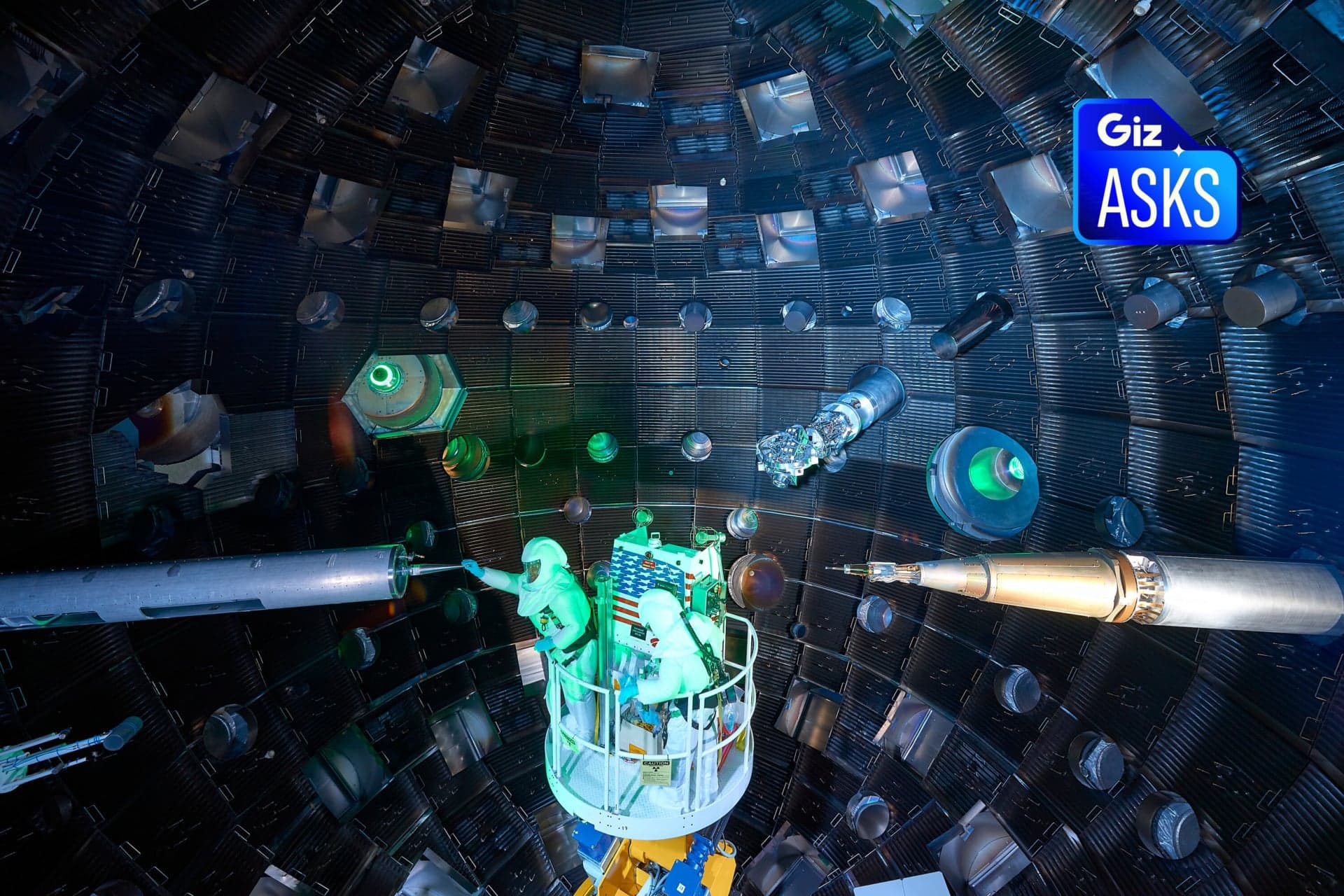
NIF’s importance also runs far beyond fusion headlines. LLNL says the facility can recreate temperatures exceeding 100 million degrees and pressures more than 100 billion times Earth’s atmosphere, which is why it sits at the center of the National Nuclear Security Administration’s Stockpile Stewardship Program. In that role, NIF gives scientists a way to study matter under weapons-relevant extremes without nuclear testing, a core capability for both stewardship and high-energy-density physics. The U.S. Department of Energy and NNSA cast the 2022 ignition as a breakthrough decades in the making, with implications for national defense and future clean power.
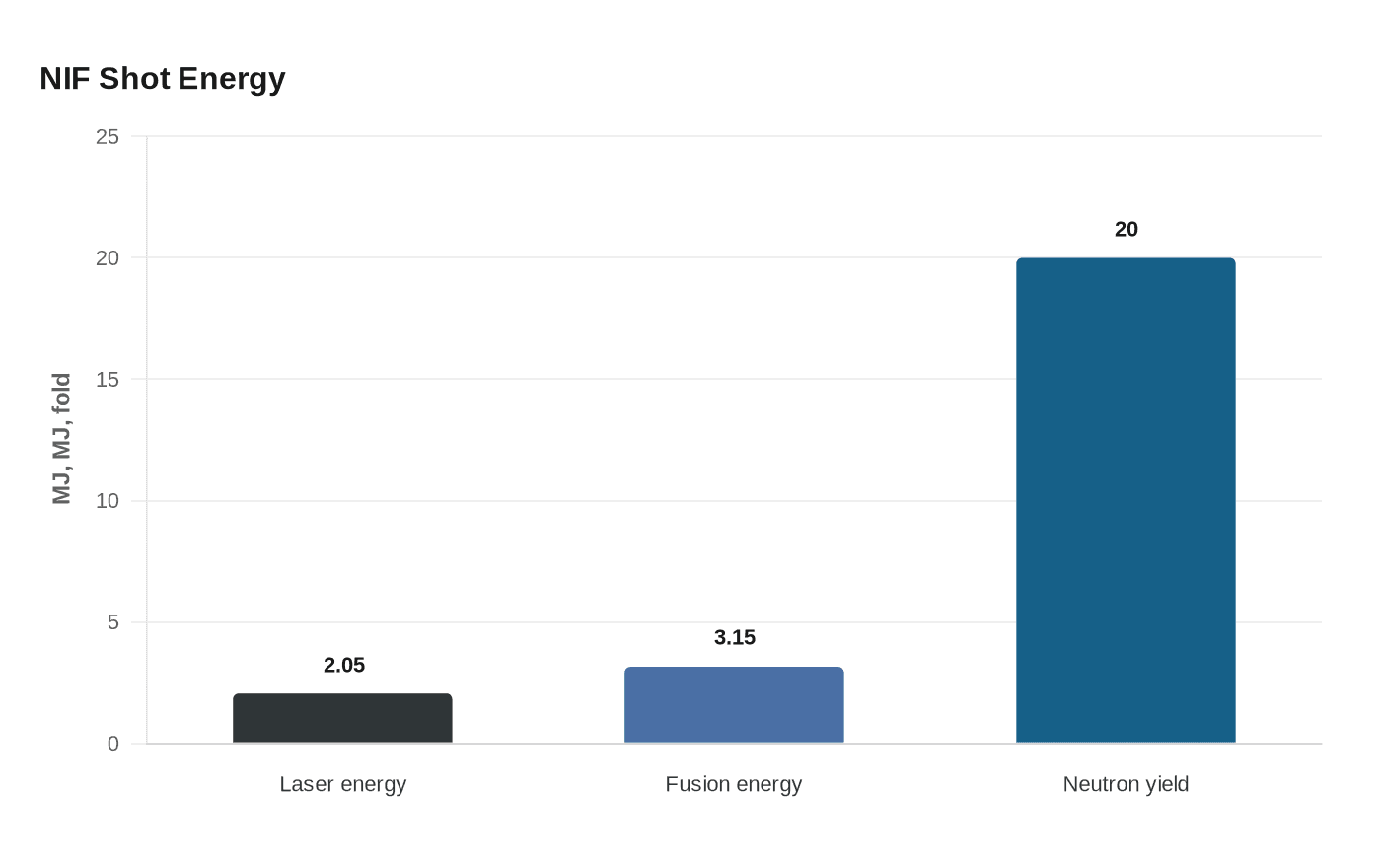
LLNL says the work did not stop with that first gain shot. The laboratory reported a 20-fold increase in neutron yield on the path to the 2022 result, and it now says NIF has achieved multiple ignition results since then. That is the useful lesson in the milestone: the December 2022 shot was the headline, but the decade around it is what tells you whether fusion ignition at NIF is becoming a platform or staying a one-off.
This article was produced by Prism’s automated news system from verified source data, official records, and press releases, then run through automated quality and moderation checks before publishing. The system is built and supervised by the people who set the standards it runs under. Read our full AI policy.
Did this article answer your question?