North Dakota Lawmakers Study Nuclear Feasibility, Weigh Radioactive Waste Storage Options
Canadian developer Nucleon Energy told North Dakota's nuclear committee that a state ban on high-level waste storage must be repealed before any reactor project can advance.
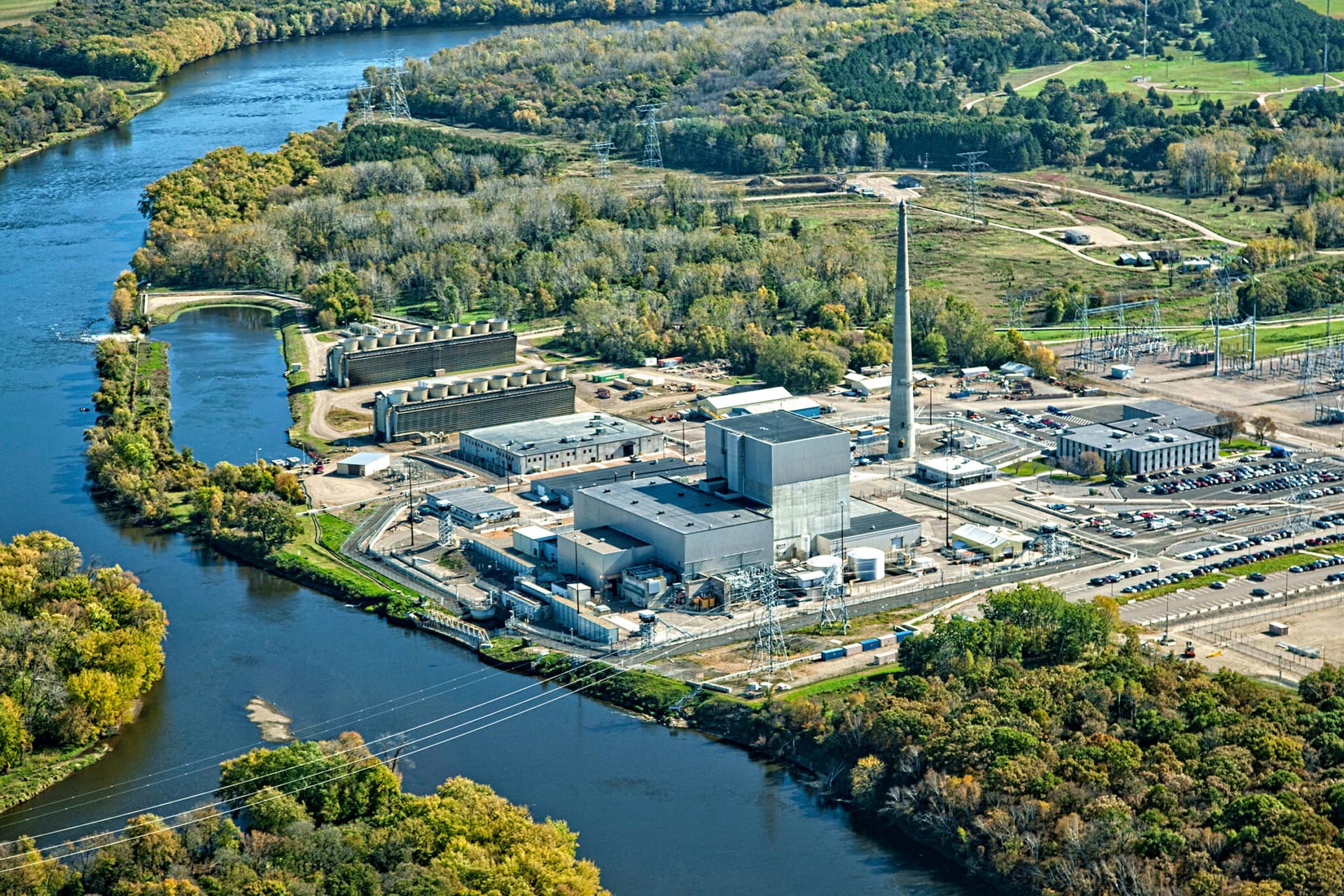
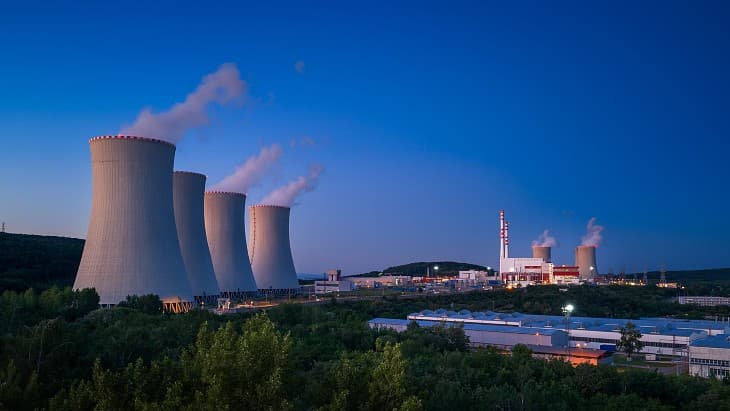
North Dakota's path to nuclear power runs directly through a statutory ban it hasn't touched yet. The state's Advanced Nuclear Energy Committee heard from Canadian developer Nucleon Energy last week that the existing prohibition on high-level radioactive waste storage would need amendment before the state could host so much as a temporary spent fuel facility. Without resolving the waste question first, every other nuclear conversation in Bismarck is premature.
The hearings, held around March 24-26, weren't about permits or construction timelines. They were a fact-finding exercise in a state that operates zero commercial reactors and has no legal framework to handle what those reactors would eventually produce. Nucleon Energy pointed to Wyoming as a case study: that state amended its statutes to enable certain storage activities, creating a regulatory opening that North Dakota has yet to attempt.
Sen. David Hogue (R-Minot) pushed the committee toward a harder question. Before lawmakers can weigh storage risk in the abstract, they need a comparative risk assessment that puts prospective long-term waste storage alongside the risks already posed to North Dakota communities by existing Air Force nuclear assets and operational reactors in neighboring states. That framing matters. It shifts the debate from "nuclear vs. no nuclear" to "which nuclear risk profile is acceptable," a distinction that could reshape how constituents and legislators engage with the issue.
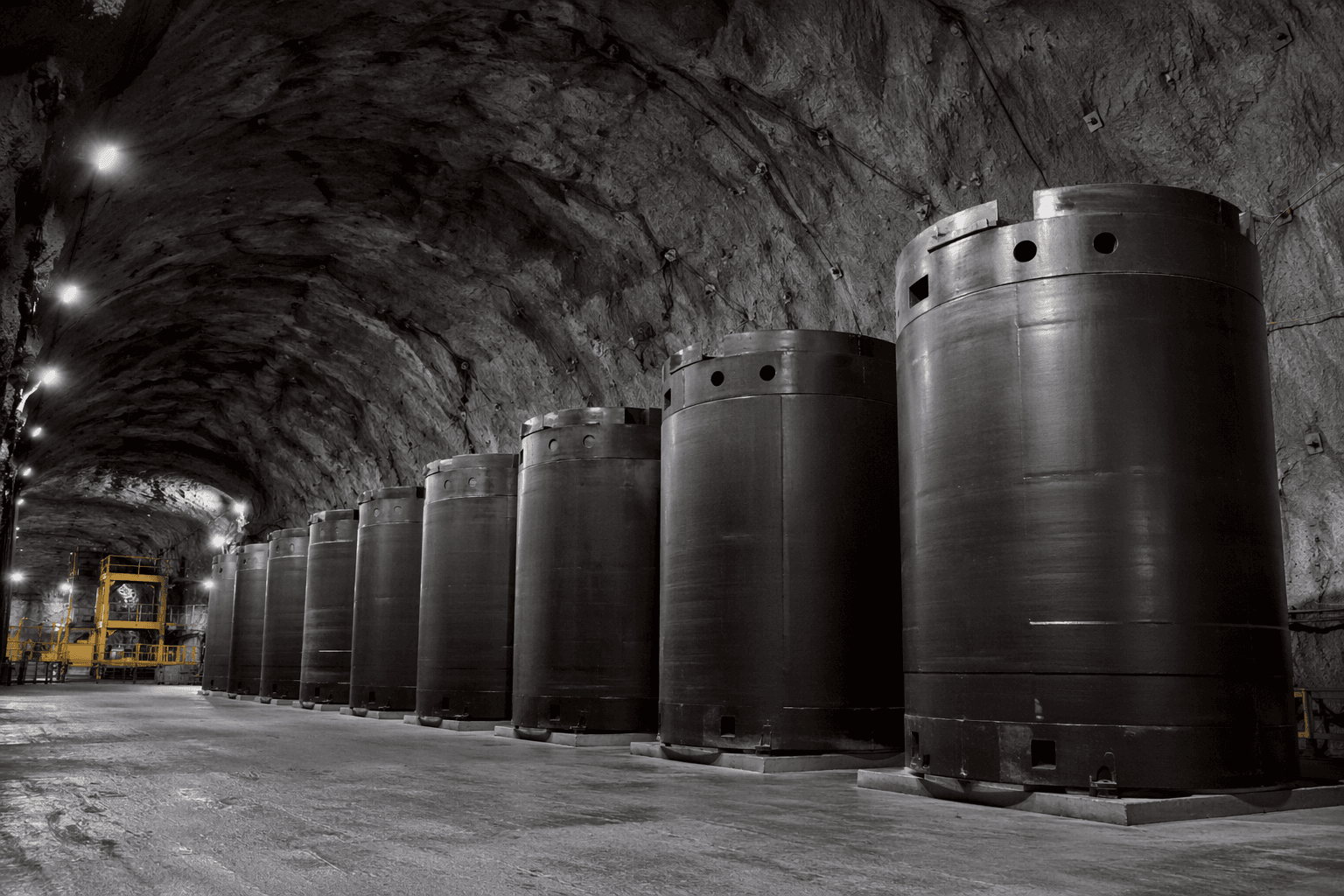
The disposal options on the table range widely in complexity and controversy. Dry cask interim storage, the workhorse of current U.S. spent fuel management, offers a near-term technical path but requires siting decisions and community consent. Deep borehole disposal, which remains largely in the research phase, would permanently isolate waste in geological formations thousands of meters below the surface, but carries its own transport, consent, and liability complications. Each option shapes not just the technical footprint of a potential nuclear program but its political viability: the legislature would need to specify which storage pathway it's willing to authorize before reactor developers can price a project or investors can assess liability exposure.
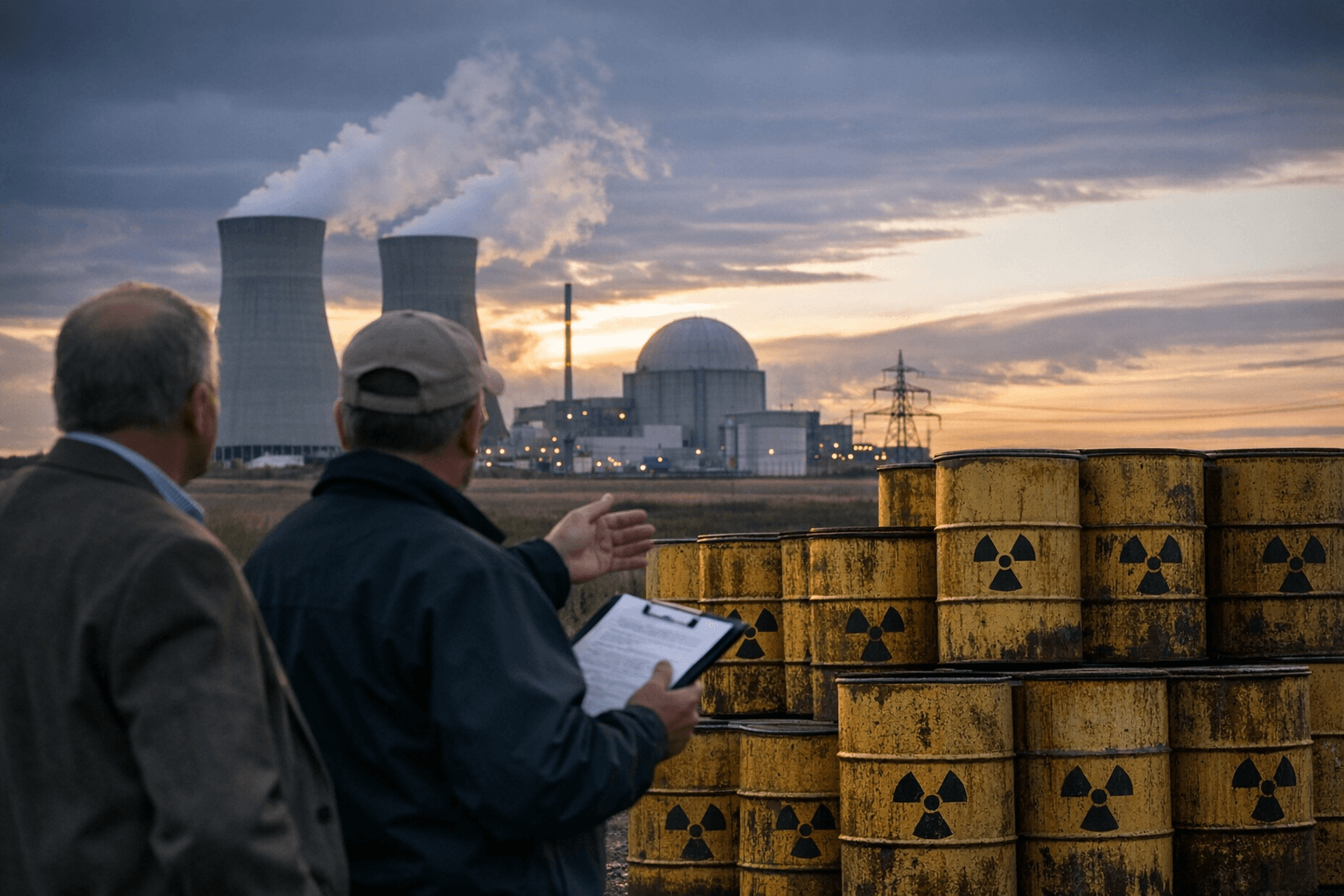
The committee was told that meaningful nuclear development in North Dakota is at least a decade out. That timeline is an asset, not a delay. It gives the legislature a window to resolve the storage ban, commission independent site studies, and establish consent-based siting protocols before any specific reactor proposal forces the issue. Nucleon Energy's attendance in Bismarck signals that developers are already watching the committee's moves; the statutory language lawmakers draft in the next session will tell vendors whether North Dakota intends to be a serious host or a spectator.
The immediate decisions are concrete: Does North Dakota modify the high-level waste storage ban, and if so, to permit what, where, and under whose liability umbrella? Who owns the transport risk if spent fuel moves through the state? Does the committee pursue a consolidated interim storage model, an on-site dry cask approach, or position the state as a test bed for deep borehole technology? Those answers don't require a reactor. They require political will and a committee willing to do the regulatory groundwork while the clock is still running in their favor.
This article was produced by Prism’s automated news system from verified source data, official records, and press releases, then run through automated quality and moderation checks before publishing. The system is built and supervised by the people who set the standards it runs under. Read our full AI policy.
Did this article answer your question?