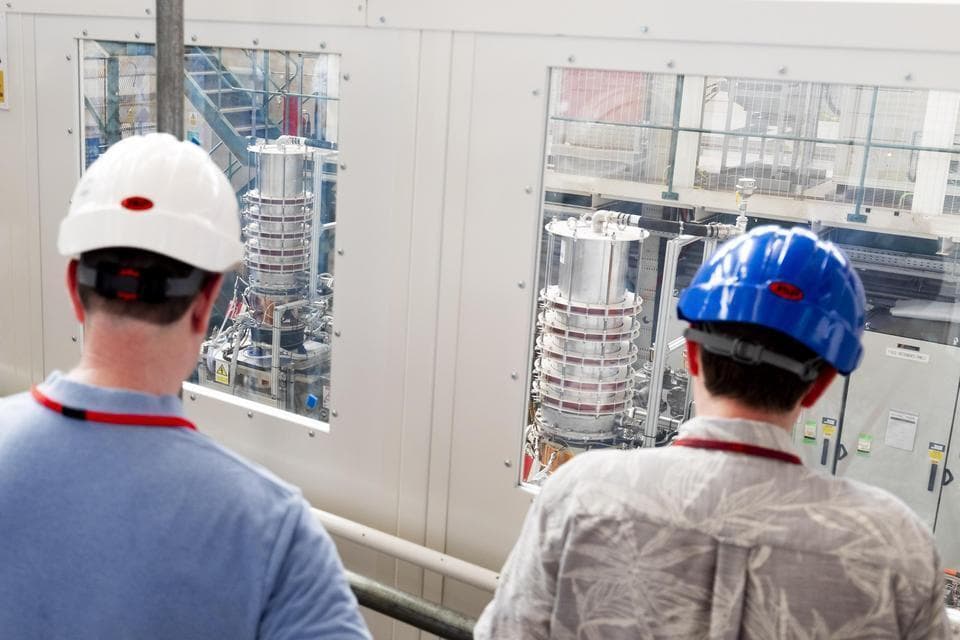
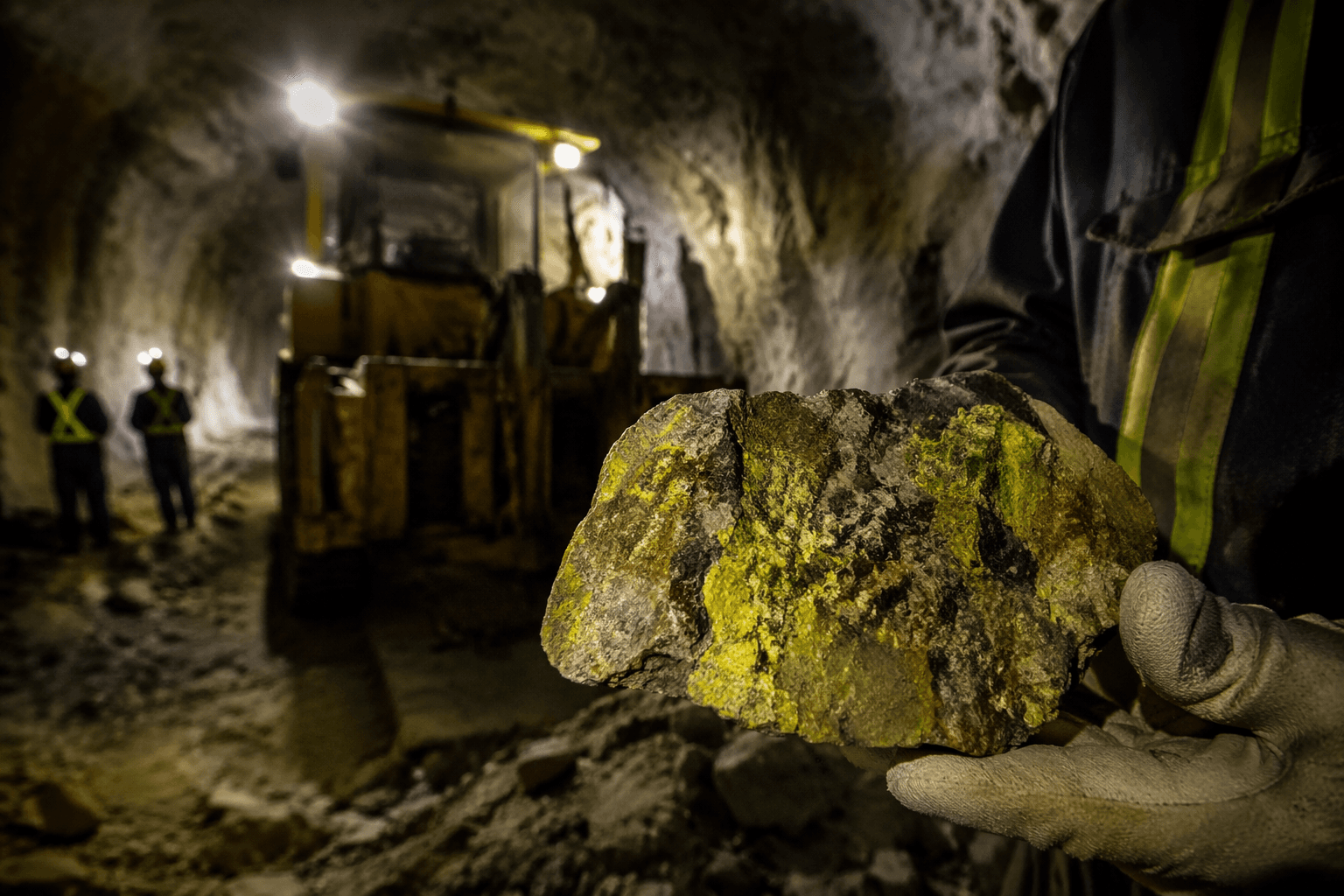
NRIC bridges reactor concepts and commercial deployment
NRIC is turning Idaho National Laboratory into a proving ground, with DOME open and the Launch Pad giving advanced-reactor developers a more durable path to hardware.
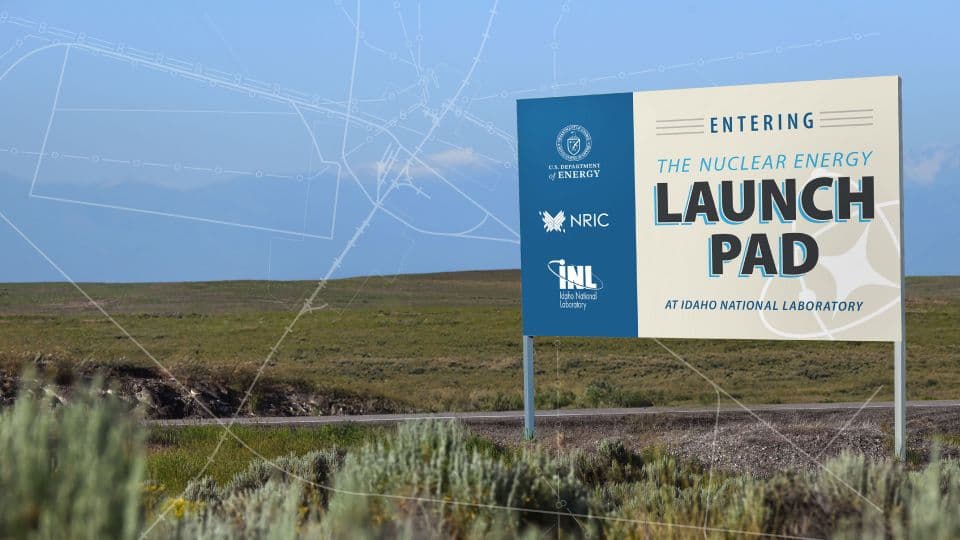
The National Reactor Innovation Center is no longer just a name attached to advanced-reactor ambition. With DOME open at Idaho National Laboratory and the Nuclear Energy Launch Pad announced in March, NRIC is trying to give developers a place to move from concept work to hardware without building their own test ecosystem from scratch.
The pilot clock that changed the tempo
The sprint started in June 2025, when the Department of Energy launched the Reactor Pilot Program to let developers partner with DOE on first-of-a-kind reactors, then followed it with the Fuel Line Pilot Program to fast-track fuel projects. The two programs accepted 20 projects in all, and they were built around a July 4, 2026 target for at least three reactors to reach criticality, a deadline that immediately gave the whole field a public clock to race against.
That deadline matters because it turns advanced reactor development from a loose collection of lab campaigns into a visible sequence of gates. Since those programs opened, companies have been announcing milestones in rapid succession, a sign that the new rules are doing more than creating paperwork, they are forcing hardware decisions, safety reviews, and site planning onto a faster track.
From a temporary push to a lasting path
The larger question behind all of this is whether the pilot programs are a one-off burst of federal support or the start of something durable. NRIC’s answer is the Nuclear Energy Launch Pad, which it unveiled in March as a more permanent authorization pathway for developers of new nuclear technologies and a broader bridge from demonstration to deployment.
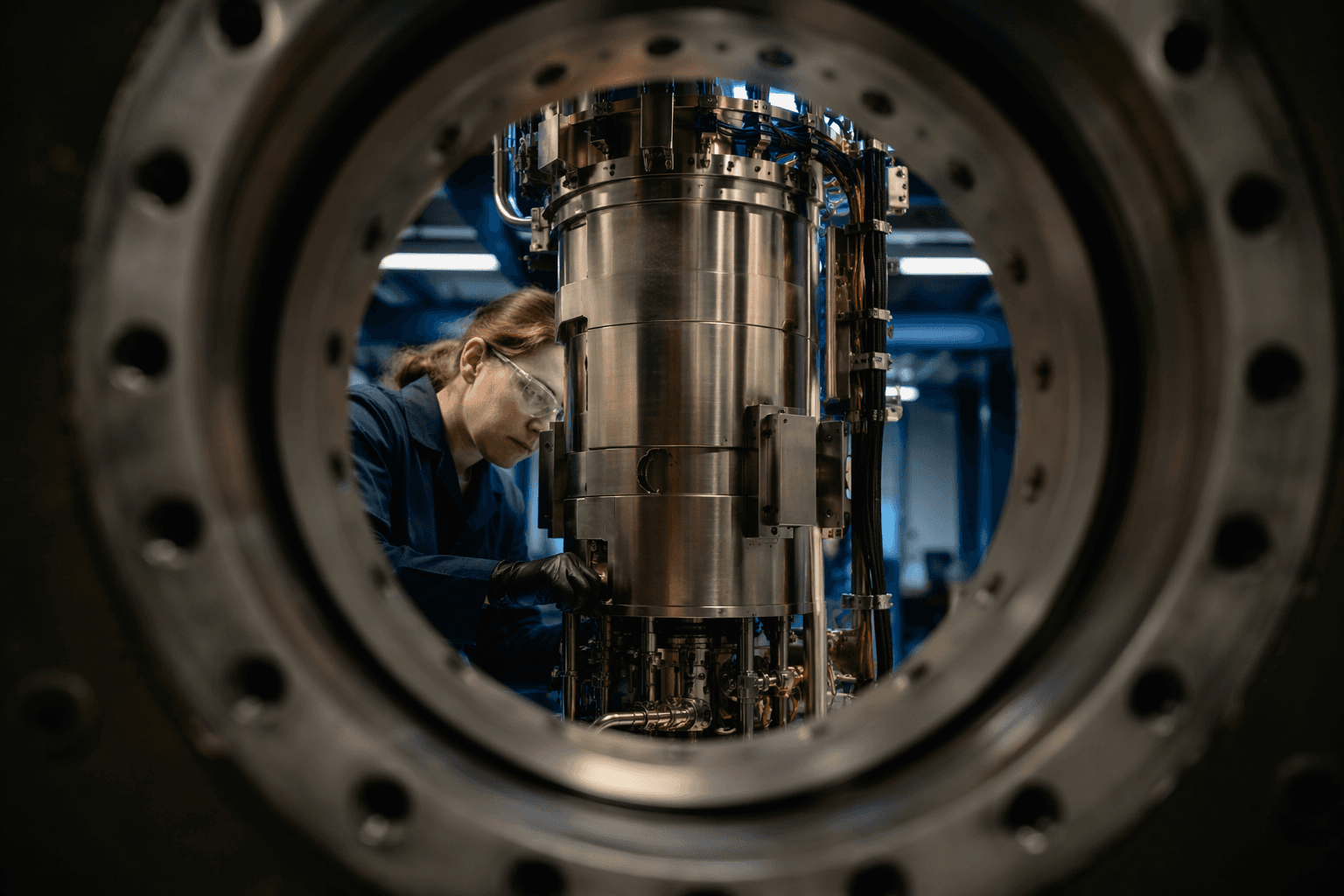
NRIC sits inside Idaho National Laboratory, and its job is not limited to one reactor type or one test campaign. Its portfolio is built around test beds, programs, and initiatives that are meant to carry nuclear technologies from concept to commercialization, with DOME, the Demonstration of Microreactor Experiments test bed, now officially open for business.
What the Launch Pad actually gives developers
The Launch Pad is not just a slogan attached to DOE authorization. NRIC describes it as a structure that opens two paths, Launch Pad INL and Launch Pad U.S.A., and broadens the lane beyond reactors alone to include fuel fabrication, fuel enrichment, fuel reprocessing, and other technologies tied to advanced nuclear deployment. That matters because the bottleneck in this sector is rarely just the core design, it is the entire stack of siting, fuel, and regulatory work needed to prove a project can exist in the real world.
- Launch Pad INL covers about 2,000 acres at Idaho National Laboratory, divided into several plots for private nuclear technology developers. NRIC says those plots are intended for advanced reactors, fuel fabrication, recycling, and related innovations, with access to existing utilities, specialized expertise, and help navigating DOE authorization or NRC licensing.
- Launch Pad U.S.A. is the companion path for projects outside INL, with flexible technical and regulatory support intended to extend the same deployment logic beyond the Idaho site. That makes the program less like a single campus and more like a national framework for moving projects toward hardware.
Who is already in the queue
NRIC moved quickly from announcement to selection. On April 27, 2026, DOE and NRIC named the first four developers chosen for the Launch Pad: Deployable Energy, General Matter, NuCube Energy and Idaho State University, and Radiant Industries. The selection came from the initial pool of Reactor Pilot Program and Fuel Line Pilot Program applicants, and NRIC said those companies would begin discussions on the technical, regulatory, and deployment support the Launch Pad can provide.
That list is important because it shows the program is not aimed at one narrow reactor style or one corporate lane. NRIC’s own archive also points to Idaho State University and NuCube Energy being selected for the Launch Pad U.S.A. program, a useful sign that the effort is meant to reach beyond the INL fence line and into other development corridors.
The real test is repeatability
The question now is whether NRIC becomes a bottleneck-breaker or a coordination layer. The concrete pieces are there, DOME, Launch Pad INL, Launch Pad U.S.A., the first four selections, and the pilot-program race to criticality, but the real measure is whether those tools make advanced nuclear development repeatable instead of improvised. If they do, the milestone that matters most will not be the first splashy announcement, but the moment a reactor concept moves through the same path again and again, until commercialization looks less like a leap and more like a process.
This article was produced by Prism’s automated news system from verified source data, official records, and press releases, then run through automated quality and moderation checks before publishing. The system is built and supervised by the people who set the standards it runs under. Read our full AI policy.
Did this article answer your question?