US and UK deepen fusion partnership to advance commercial power
PPPL and UKAEA signed a fusion memo on 25 June that opens staff exchanges, joint projects and ITER diagnostics work.
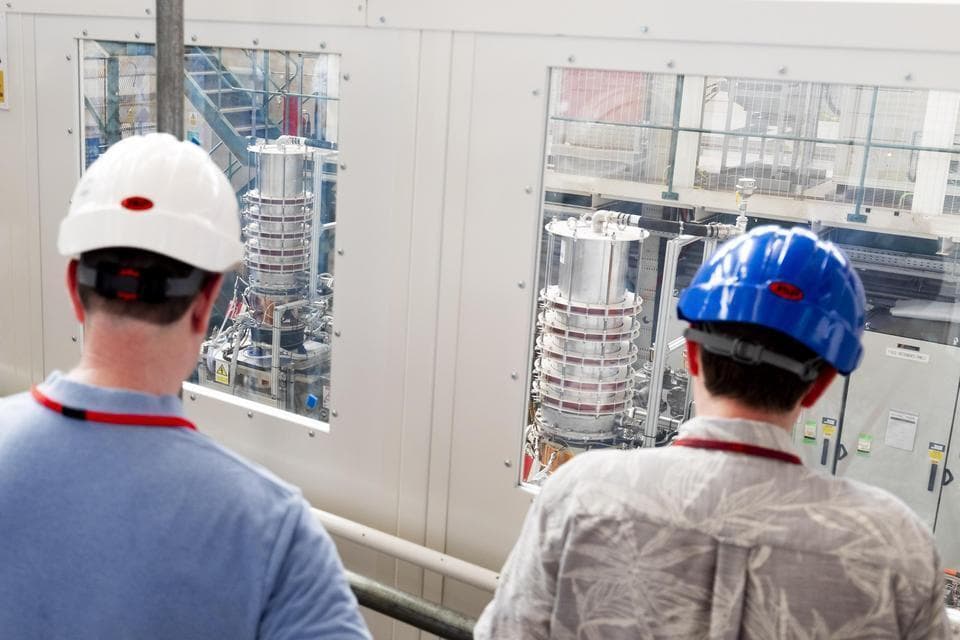
Princeton Plasma Physics Laboratory and the UK Atomic Energy Authority signed a memorandum of understanding on 25 June 2026 that opens the door to shared fusion experiments, reciprocal staff exchanges, joint projects and work on ITER diagnostics. The UK government tied the deal to the King’s address to the Joint Meeting of Congress in Washington and cast it as part of a wider US-UK push on science, trade and industrial strategy.
The agreement links two of the sector’s core institutions. PPPL is a U.S. Department of Energy national laboratory managed by Princeton University, while UKAEA is the United Kingdom’s national fusion laboratory. Their new framework extends beyond formal diplomacy and into the practical work that keeps fusion programs moving: access to major research facilities, exchange of academic information, advanced computing programs and wider information sharing.
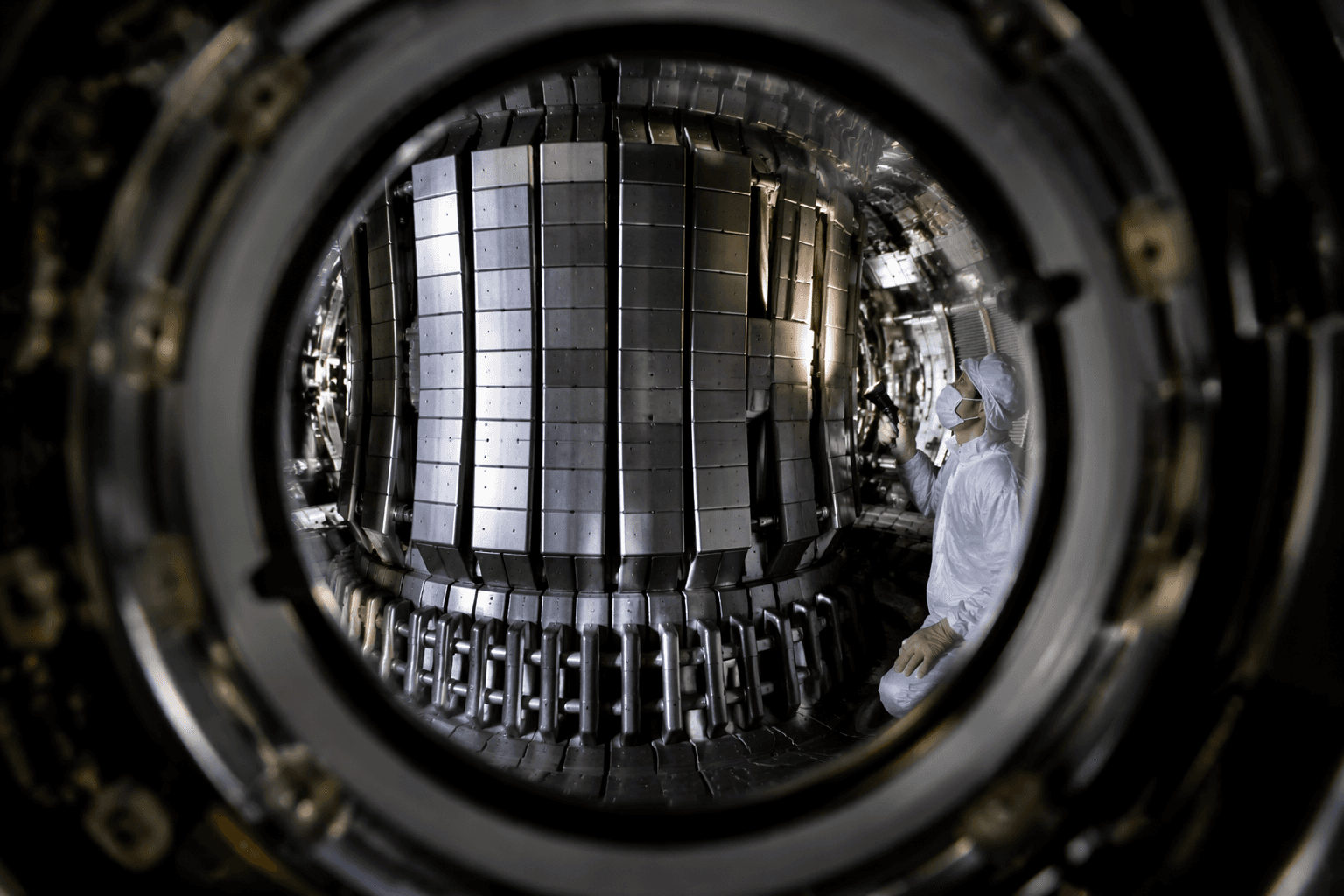
That matters because fusion development is still bottlenecked by the slow, expensive work of experiments, diagnostics, materials testing and modeling. The memorandum gives both sides a cleaner path to move people, data and methods across programs, which is the kind of collaboration that can shorten the route from isolated lab results to engineering-ready systems. PPPL already sits inside a dense partnership network, with Princeton saying the lab has 42 strategic partnerships and research and development agreements.
The timing also lines up with major technical activity at PPPL itself. Princeton describes the National Spherical Torus Experiment-Upgrade, or NSTX-U, as the largest spherical tokamak in the United States and says it was anticipated to start operations in 2026. The new US-UK arrangement arrives as that machine is part of the lab’s experimental push, giving the partnership a live platform for the kinds of diagnostics, computing and staff development the memorandum highlights.
UKAEA’s own 2026 to 2030 strategy, published on 14 April 2026, says the agency will deliver foundational research, technology and innovation to support the UK fusion sector with world-leading expertise. That fits the language of the memorandum closely and points to the kind of work both sides now want to accelerate: not just policy alignment, but shared lab time, better tools and a steadier route toward commercial power.
The clearest sign that this is more than symbolism is the list of concrete tasks already on the table. Staff exchanges, major facilities, ITER diagnostics and advanced computing are the next battlegrounds, and the memorandum gives PPPL and UKAEA a formal lane to work them together.
This article was produced by Prism’s automated news system from verified source data, official records, and press releases, then run through automated quality and moderation checks before publishing. The system is built and supervised by the people who set the standards it runs under. Read our full AI policy.
Did this article answer your question?