U.S. uranium production more than doubles to nine-year high
U.S. uranium output hit 1.388 million pounds in 2025, more than double 2024, but the fuel chain still leaned on one mill and a handful of recovery sites.
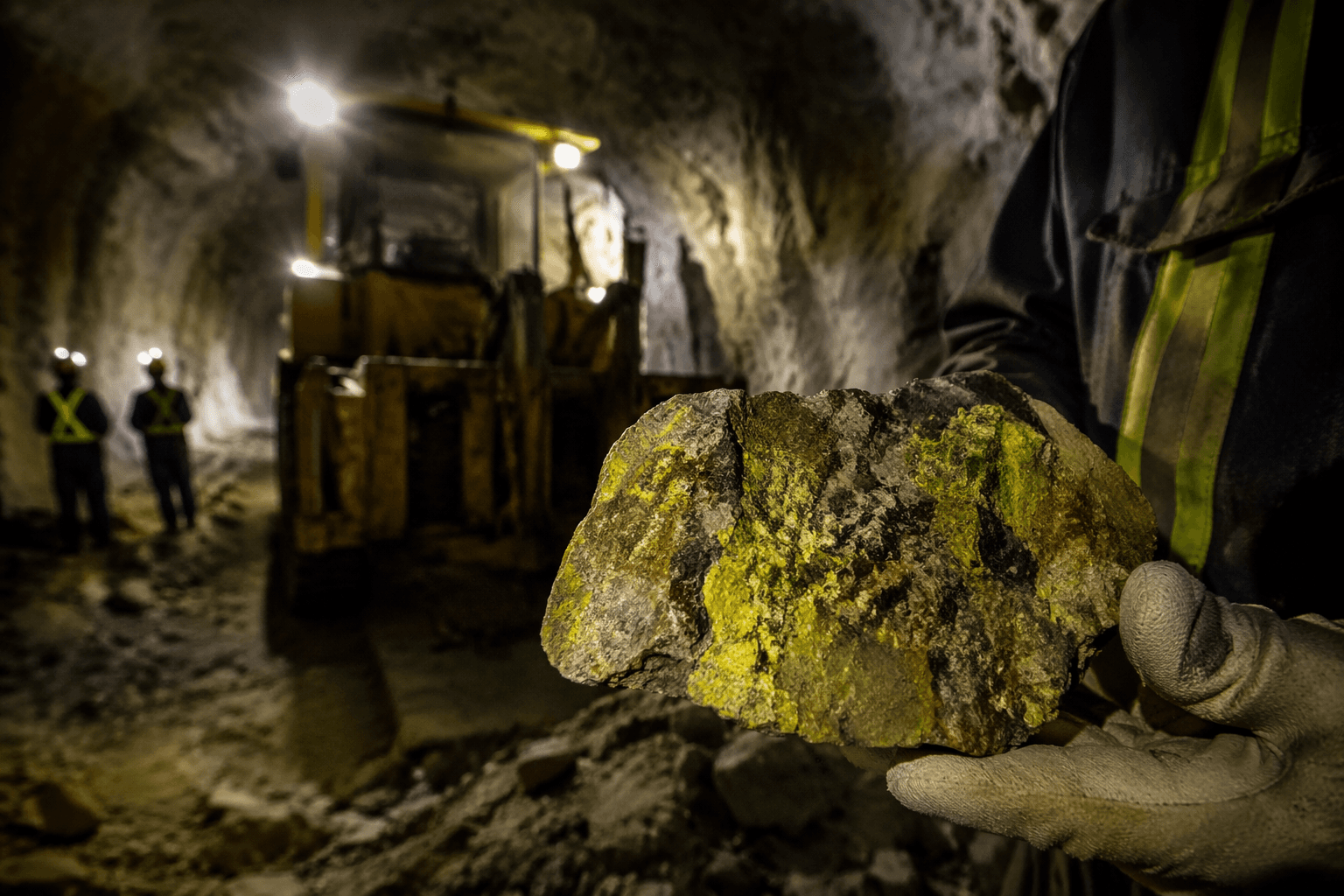
U.S. mines produced 1,388,000 pounds of uranium in 2025, more than double the 677,000 pounds mined in 2024 and the highest annual output in nine years. It is a meaningful lift for the front end of the fuel cycle, where ore becomes concentrate, then enriched uranium, then reactor fuel pellets and assemblies.
The Energy Information Administration released the numbers on June 23, 2026. Production came from one underground mine and seven in-situ recovery operations, with smaller volumes also recovered from mine water, mill-site cleanup, tailings and well-field restoration. Exploration and development drilling also climbed to the highest level since 2013, measured both by the number of holes and total footage drilled, a sign that operators were putting money back into the resource base after a long stretch of weak prices and excess supply that followed Fukushima.
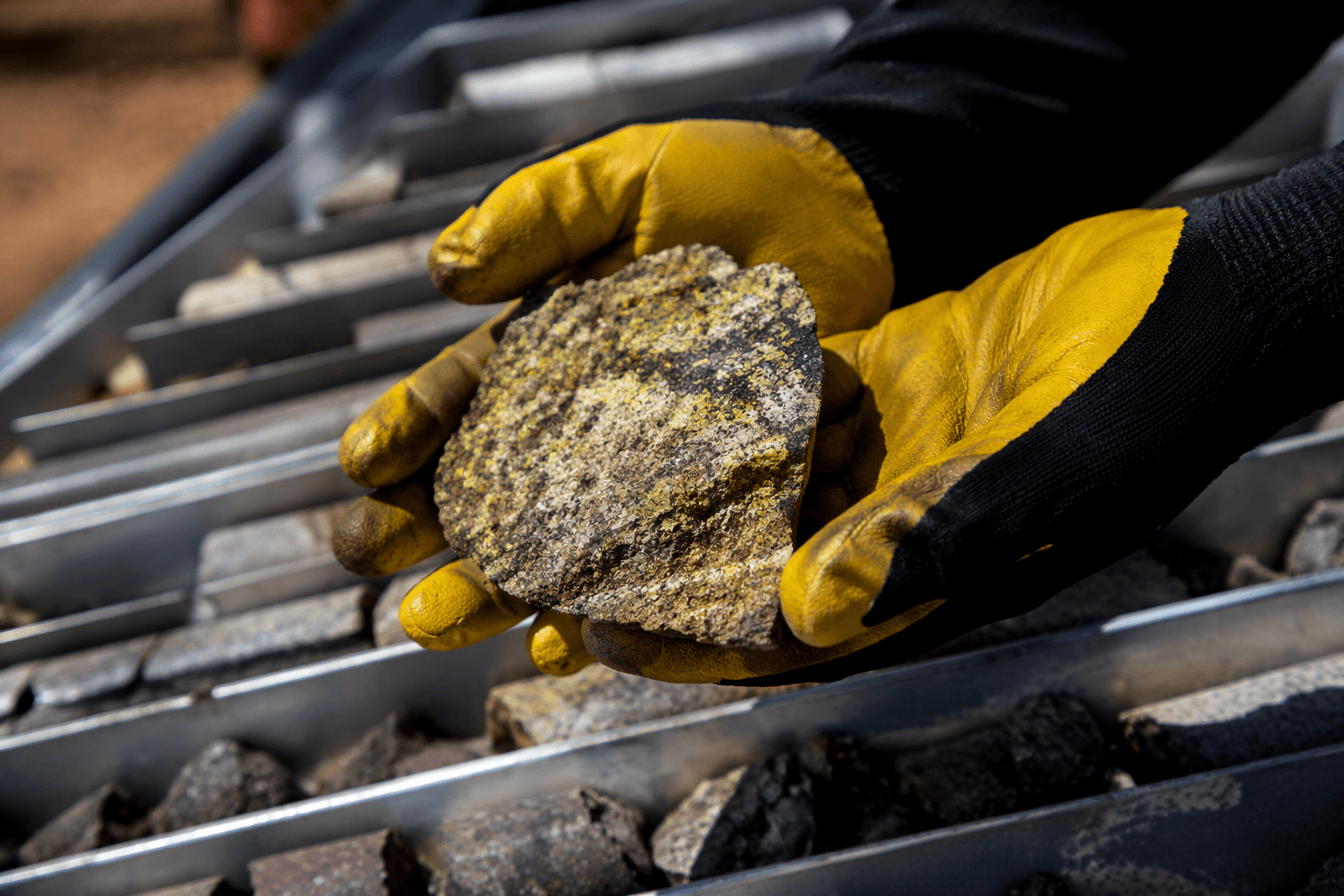
The domestic supply chain still looked narrow, though. At the end of 2025, only one conventional uranium mill, Energy Fuels’ White Mesa Mill in Utah, was operating, while two mills remained on standby. The active in-situ recovery facilities were Alta Mesa, Lost Creek, Smith Ranch-Highland, Ross Central Processing and Willow Creek. That mix kept more pounds moving, but it did not turn the U.S. into a self-sufficient fuel supplier, and reactor operators still faced a market shaped by imported uranium and limited domestic processing capacity.
The industry’s rebound also showed up in money and headcount. Total employment reached 711 full-time person-years, up 41% from 2024, while total expenditures hit $234.7 million, the highest since 2014. For buyers and plant managers, those figures matter because uranium is not a paper market until it has been mined, milled and processed far enough to feed the downstream conversion and enrichment chain. The 2025 numbers showed that U.S. production finally had some momentum again, but the nine-year high still rested on a small number of active sites and one operating mill, which means the gap to real fuel security remained wide.
This article was produced by Prism’s automated news system from verified source data, official records, and press releases, then run through automated quality and moderation checks before publishing. The system is built and supervised by the people who set the standards it runs under. Read our full AI policy.
Did this article answer your question?