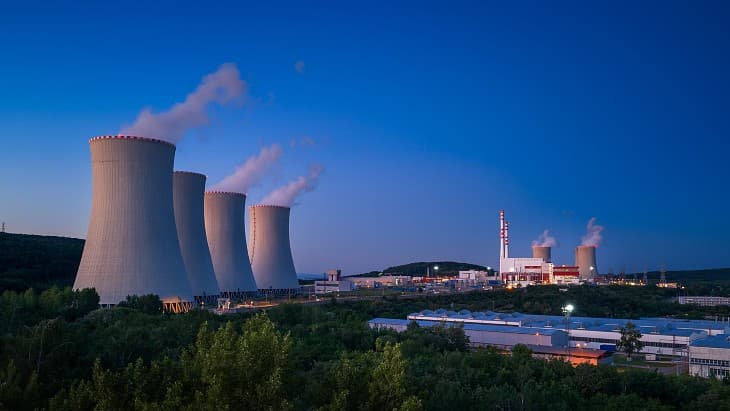
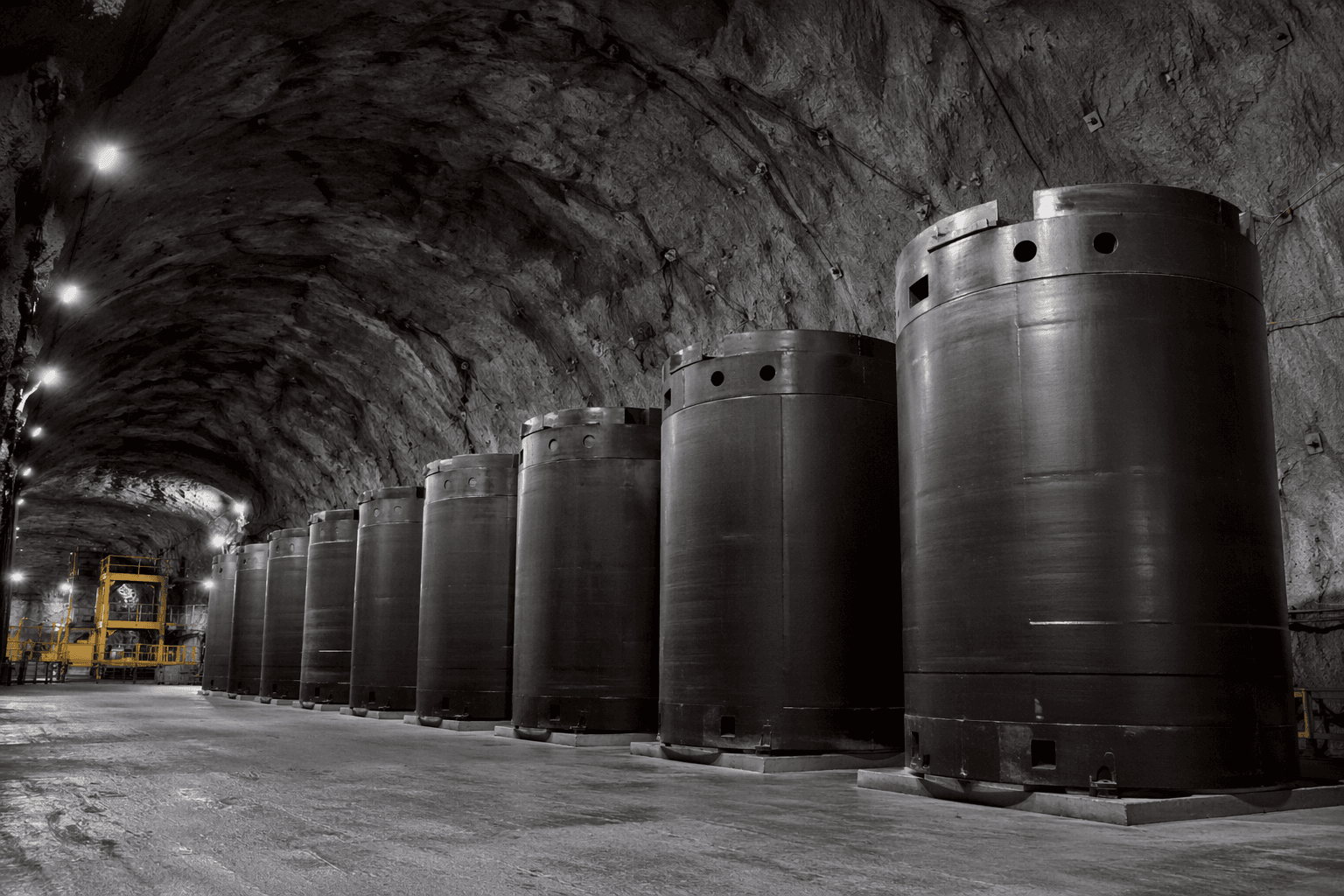
Oklo's DOE and NRC Milestones Spark Debate Over Commercialization Timeline
Oklo's first-ever NRC license and two DOE NSDA approvals are real wins, but the company is still two milestones short of operating authorization in the DOE's own framework.
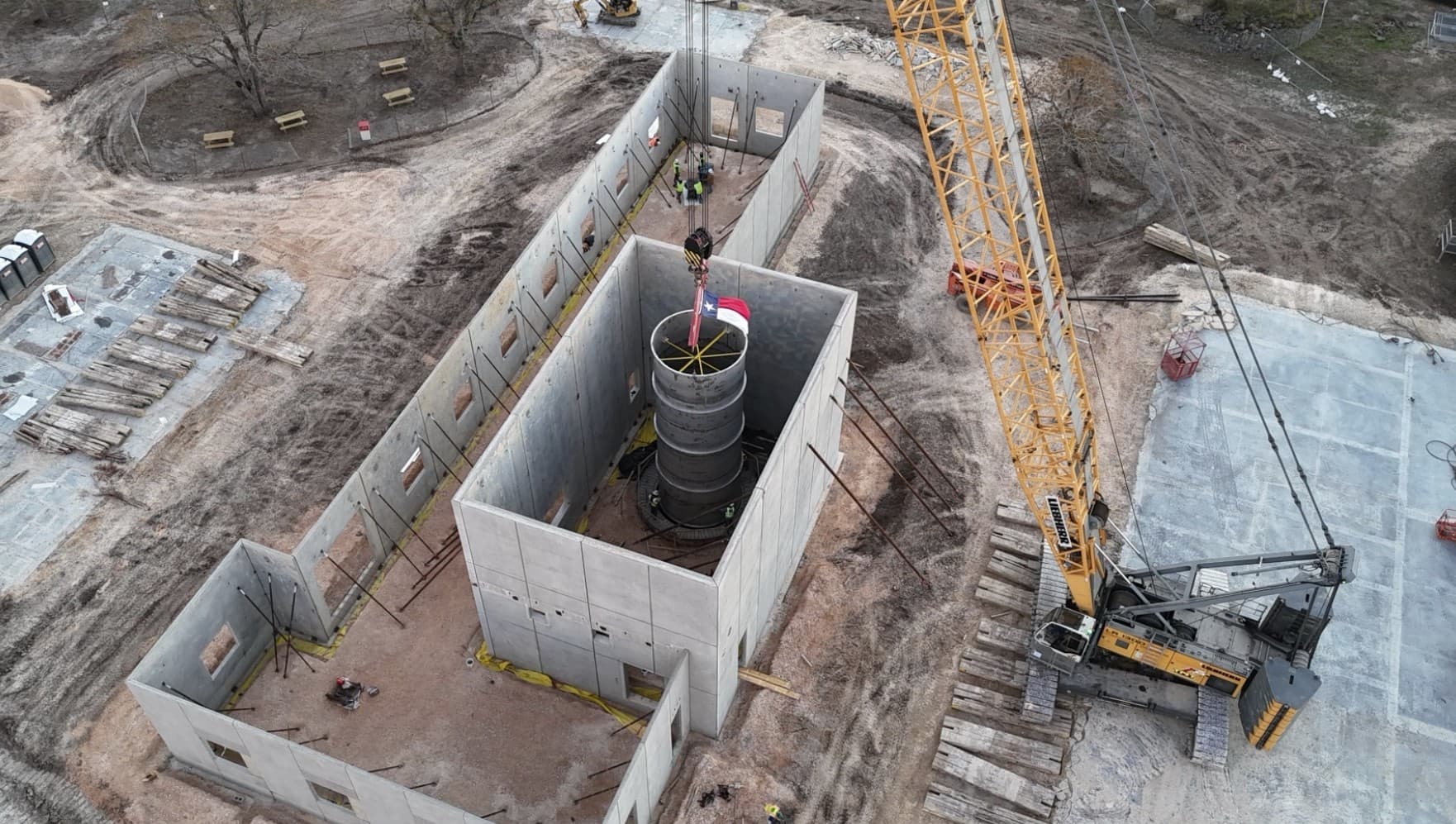
Three regulatory wins in mid-March 2026 gave Oklo a fresh burst of market attention when commentators revisited their commercial weight in early April, and the verdict was mixed: the milestones are genuine, but they sit closer to the starting line than the finish line.
The three approvals that sparked the discussion were distinct in kind. The Department of Energy signed off on Nuclear Safety Design Agreements for two separate Oklo projects: its Aurora Powerhouse at Idaho National Laboratory and Atomic Alchemy's Groves Isotopes Test Reactor, sited near Lockhart in Caldwell County, Texas. Separately, the Nuclear Regulatory Commission issued Oklo its first-ever materials license, authorizing Atomic Alchemy to receive, possess, use, store, and handle nuclear isotopes including Radium-226, Cobalt-60, and Americium-241. CEO Jacob DeWitte, appearing on CNBC's "Money Movers," framed the company's posture simply: "We're in full build mode on a number of fronts."
The problem, as analysts noted in coverage published April 7-8, is that a DOE NSDA is not the same instrument as an NRC construction or operating permit. Under the DOE's Reactor Pilot Program, a project must clear four sequential milestones before it can operate: an Other Transaction Agreement, NSDA approval, a Preliminary Documented Safety Analysis, and a final Documented Safety Analysis. Oklo signed its OTA for Groves in January 2026 and just secured the NSDA, meaning two gates remain. Competitors Aalo Atomics and Antares Nuclear have already cleared the PDSA step, leaving Oklo two rungs behind them in the RPP framework by that measure. No company in the program has yet achieved final DSA approval.
Atomic Alchemy has publicly targeted initial criticality for the Groves facility by July 4, 2026, which means the PDSA review would need to proceed at an unusually fast pace. On the Idaho front, the Aurora-INL project broke ground in September 2025 and is powered by recycled fuel from the historic Experimental Breeder Reactor II, but commercial licensing follows a separate NRC pathway: a combined license application under 10 CFR Part 52. Oklo completed the NRC's pre-application readiness assessment for Phase 1 of that COLA and has indicated it intends to submit Phase 1 this year, though a submitted application is still several steps removed from an approved one.
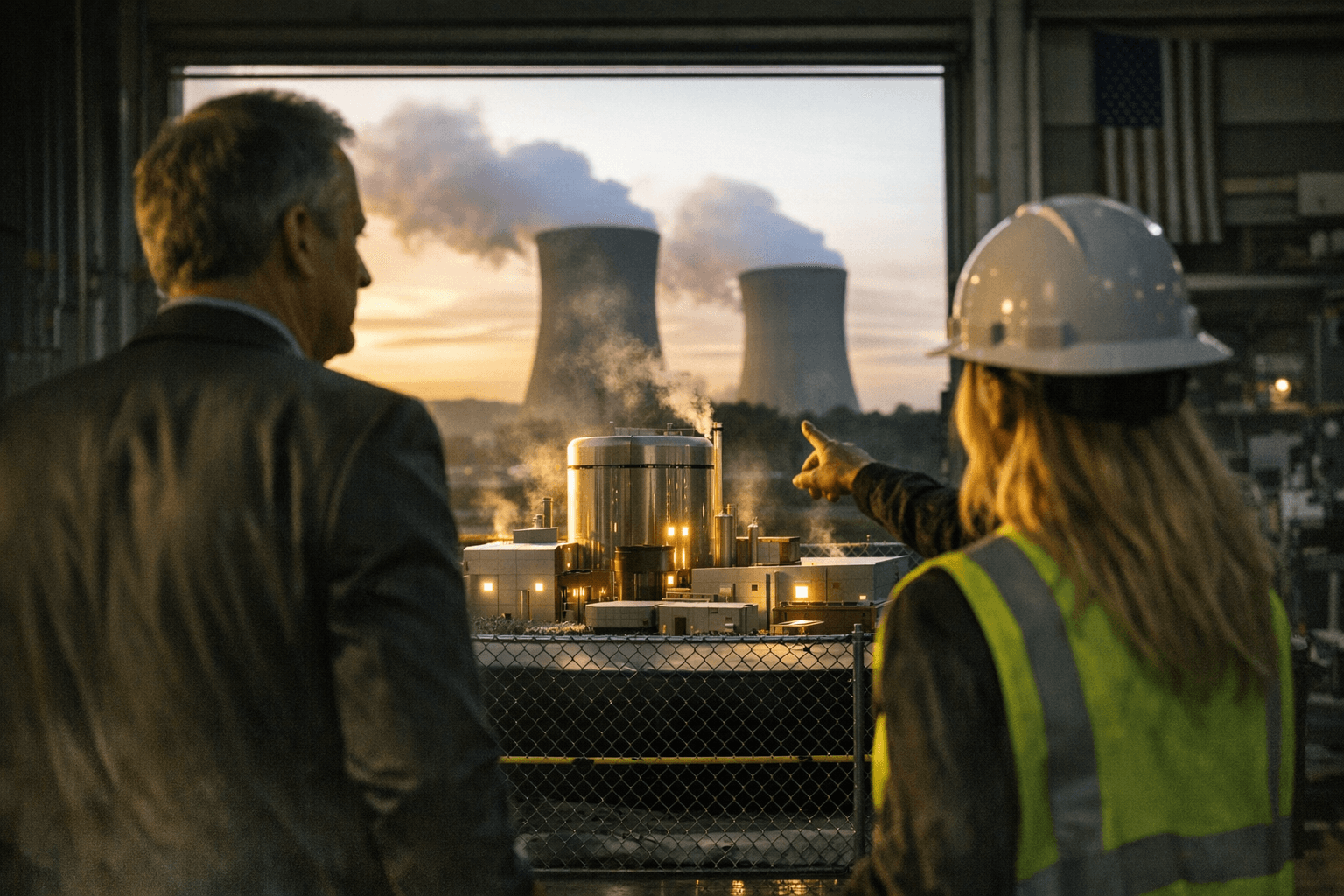
For anyone tracking whether market sentiment has sprinted ahead of actual deployment certainty, three specific proof points will clarify the picture over the coming months. First, watch whether the DOE completes its PDSA review for Groves on a timeline consistent with a July 4 criticality date; delays there would immediately test the Atomic Alchemy schedule. Second, watch for the formal NRC docket filing of Oklo's Aurora-INL COLA Phase 1, which would move commercial licensing from pre-application into active review, with a defined acceptance clock. Third, watch for any Lead Test Assembly agreements or confirmed fuel supply arrangements for Aurora; without those, the fuel recycling story that underpins the Idaho project's commercial case remains narrative rather than contract.
The NRC materials license for isotope handling is legitimately Oklo's first binding regulatory authorization from the commercial nuclear regulator, and that distinction matters. But the distance between a materials license covering three isotopes and a combined construction-and-operating license for a 75-megawatt-electric fast reactor is measured in years of engineering submissions, safety reviews, and public hearings. The milestones are real; the timeline compression implied by some market commentary is the part still requiring proof.
This article was produced by Prism’s automated news system from verified source data, official records, and press releases, then run through automated quality and moderation checks before publishing. The system is built and supervised by the people who set the standards it runs under. Read our full AI policy.
Did this article answer your question?