OPG Applies for 20-Year Operating Licence for Darlington BWRX-300 SMR
OPG filed a 20-year operating licence for its C$7.7B Darlington BWRX-300, putting the first SMR in the G7 world one public hearing away from powering up.
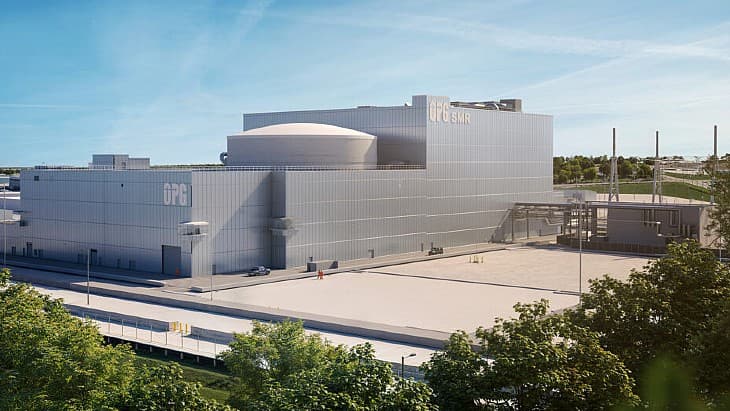
For a C$7.7 billion reactor with no commercial precedent anywhere in the G7 world, everything now rides on what Ontario Power Generation can prove to a federal regulator.
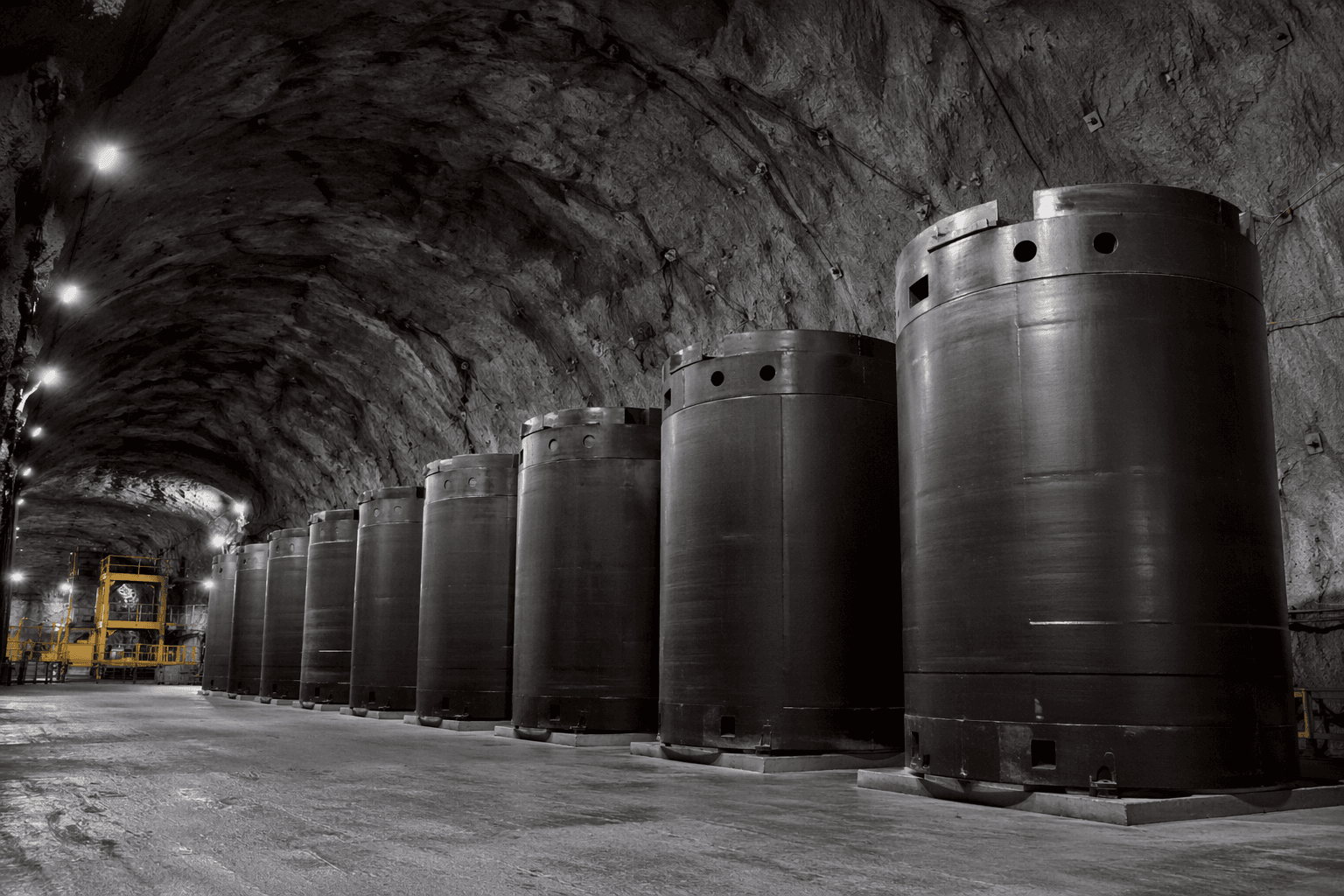
OPG filed an application with the Canadian Nuclear Safety Commission on March 25 for a 20-year licence to operate the first BWRX-300 small modular reactor at the Darlington New Nuclear Project in Clarington, Ontario. The application also seeks authorization for an associated low- and intermediate-level waste storage structure on the site. The CNSC, confirming receipt, stated that "the application for a licence to operate is subject to a decision by the Commission following a public hearing, to be announced at a later date."
The operating licence is the final regulatory permission standing between OPG and electricity production. Without it, the 300 MWe boiling-water reactor developed by GE Vernova Hitachi Nuclear Energy remains a construction project. With it, OPG can complete commissioning and move to commercial operation, currently targeted for the end of 2029, three and a half years after construction broke ground in May 2025.
What the Commission will need to see is substantial. Under CNSC licensing requirements, OPG's application must demonstrate that safety analyses have been updated to reflect every change made during construction and fuel-out commissioning, with postulated initiating events identified through systematic methodology. The construction licence issued in April 2025 already embedded site-specific regulatory hold points, moments in the build sequence where OPG must submit additional technical data before work can continue. Each of those gates, cleared or challenged, becomes part of the evidentiary record the Commission will weigh at the operating licence hearing.
The BWRX-300 is a generation III+ natural-circulation boiling-water design that GE Vernova Hitachi Nuclear Energy engineered to shed many of the active safety systems that inflate conventional nuclear costs. At 300 megawatts electric, a single unit can power roughly 300,000 Ontario homes. Darlington is positioned to be the first commercial-scale SMR operating in any G7 country, and that distinction has drawn active interest from Poland, the United States, and other nations where GE Vernova Hitachi is advancing parallel BWRX-300 deployments.
The financial pressure behind the licence timeline is acute. The final investment decision for the first unit was made at C$7.7 billion; three additional units planned for the Darlington site carry a combined projected cost of C$13.2 billion. The business case for units two through four depends directly on whether unit one crosses the finish line on schedule and on budget. A slipped operating licence hearing, or unexpected findings from the as-built safety analysis, would ripple through that economics.
The public hearing, once scheduled, opens a formal window for community and Indigenous stakeholder input on safety, emergency preparedness, and environmental matters. It also serves as the last major regulatory gate separating Darlington from the operating track record that could reframe it from a first-of-a-kind cost experiment into a replicable blueprint for factory-built nuclear power across North America and beyond.
This article was produced by Prism’s automated news system from verified source data, official records, and press releases, then run through automated quality and moderation checks before publishing. The system is built and supervised by the people who set the standards it runs under. Read our full AI policy.
Did this article answer your question?