Pacific Grebe adapted for massive TN Eagle spent-fuel transport flask
Pacific Grebe was refit for Orano’s 150-ton TN Eagle flask, a back-end fuel move that can shape spent-fuel storage, reprocessing and shipment schedules.
_84863.jpg&w=1920&q=75)
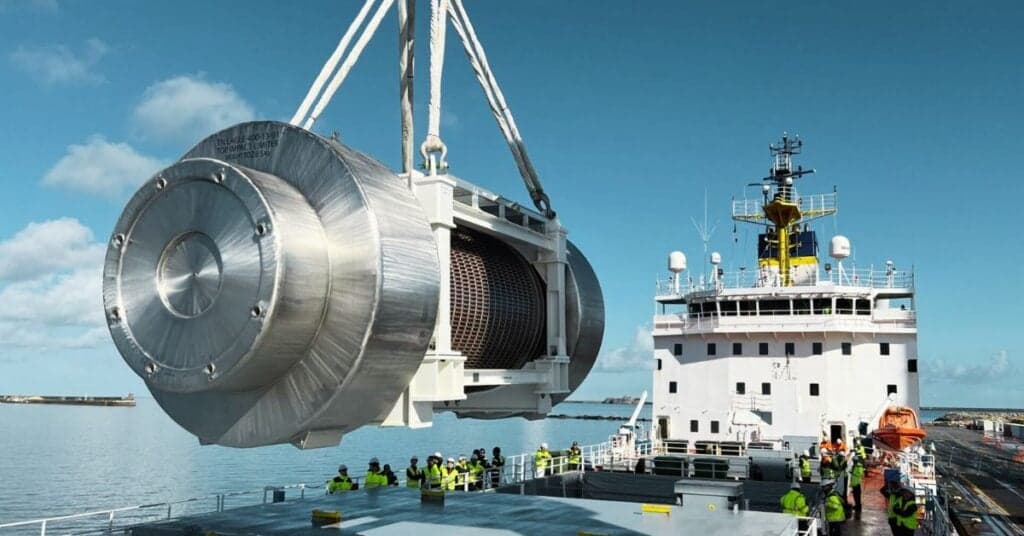
The Pacific Grebe has been adapted to carry Orano’s new TN Eagle flask, turning a specialized ship into a key piece of spent-fuel logistics for used mixed oxide fuel. The move matters because the nuclear fuel cycle does not stop at the reactor gate: if casks cannot move, storage backs up, reprocessing slips and the credibility of the whole transport chain takes a hit.
Pacific Nuclear Transport Limited said the Grebe was the first ship in its fleet to be modified for the flask. Engineers produced a specially made adapter plate so the cask would sit securely in the hold, a small-sounding fix that solves a major practical problem for a package that is about 5 metres long, 3 metres in diameter and weighs 150 tonnes. Nuclear Transport Solutions said the Pacific Egret will be adapted in the near future, pointing to a broader series of spent-fuel movements rather than a one-off job.
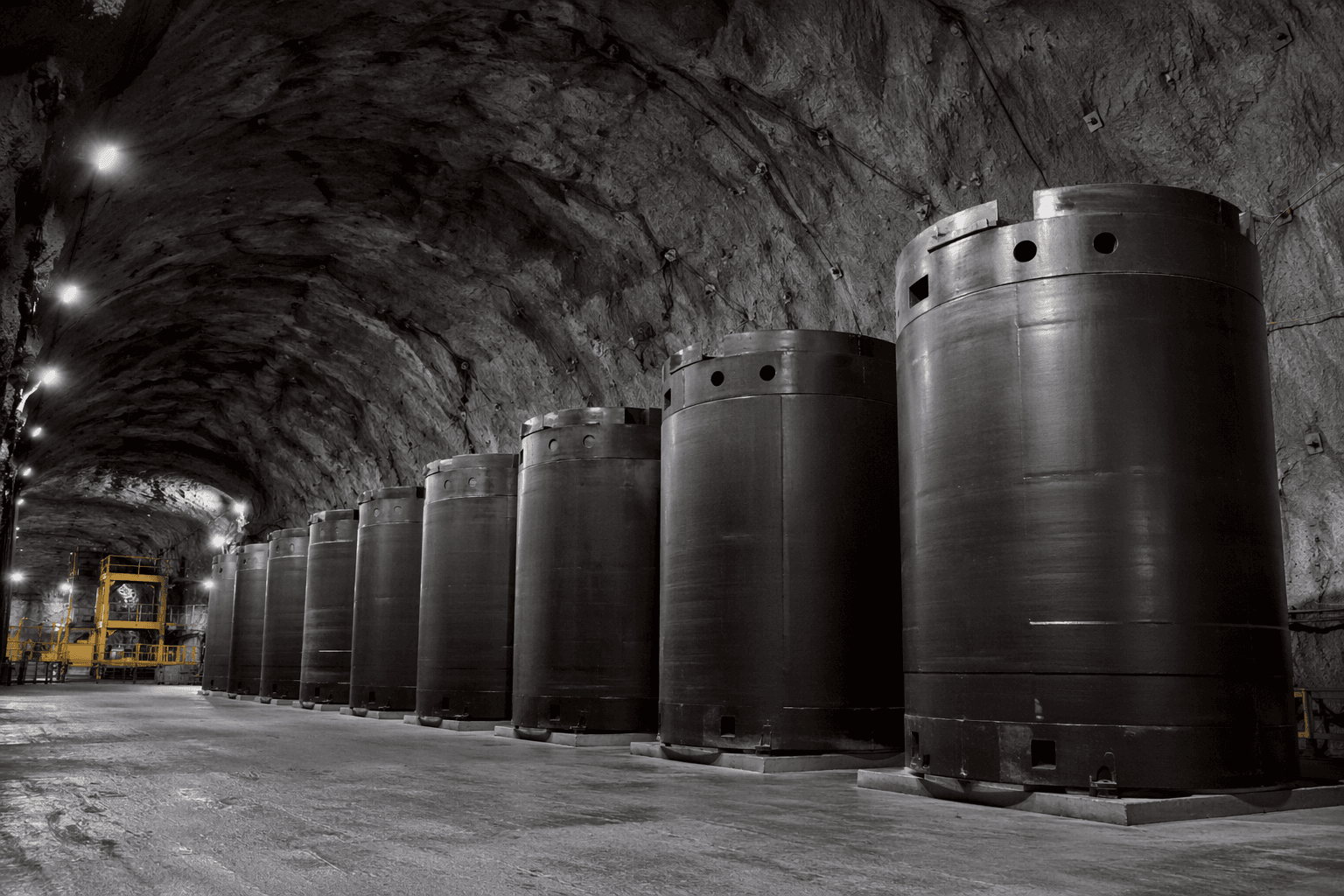
Orano’s TN Eagle has been in the works since 2018. The design received its French transport license in 2020, won approval from the French Nuclear Safety Authority that same year and cleared the US Nuclear Regulatory Commission in November 2023. Orano says the flask is meant for transport and dry storage of used nuclear fuel in Europe, the United States and Asia, and that French and international customers have already ordered several dozen casks.
The Grebe itself is not a newcomer. Delivered in 2010, it is INF 3 certified under the IMO INF Code, a rating that places it among the most heavily regulated nuclear transport vessels at sea. PNTL says the company was established in 1975, operates three specialist nuclear vessels and has shipped more than 2,000 nuclear casks over more than 5 million nautical miles. It says it has maintained a 100% nuclear safety record across more than 50 years of transport experience.
That background explains why this adaptation lands as more than a maritime footnote. PNTL is part-owned through Nuclear Transport Solutions by the UK Nuclear Decommissioning Authority, and also has ownership ties to Orano and Japanese utility interests. Its casks have moved through Belgium, Finland, France, Germany, Greece, Italy, Japan, the Netherlands, Portugal, Sweden, Switzerland and the United States, giving the Grebe modification direct relevance to international decommissioning and fuel-recycling work.
The wider framework comes from the International Atomic Energy Agency, which says radioactive-material transport is an essential global activity and that spent fuel, MOX fuel and vitrified high-level waste move in specially designed Type B packages built to withstand severe impact, fire and immersion tests. In that context, the adapter plate on Pacific Grebe is not just hardware. It is the kind of bottleneck-breaking detail that determines whether the back end of the fuel cycle runs smoothly, or stalls.
This article was produced by Prism’s automated news system from verified source data, official records, and press releases, then run through automated quality and moderation checks before publishing. The system is built and supervised by the people who set the standards it runs under. Read our full AI policy.
Did this article answer your question?