PSI data could make small modular reactors safer to model
New PANDA measurements at PSI capture passive cooling in an SMR power-loss scenario, giving engineers better data for licensing systems that must stay safe without pumps.
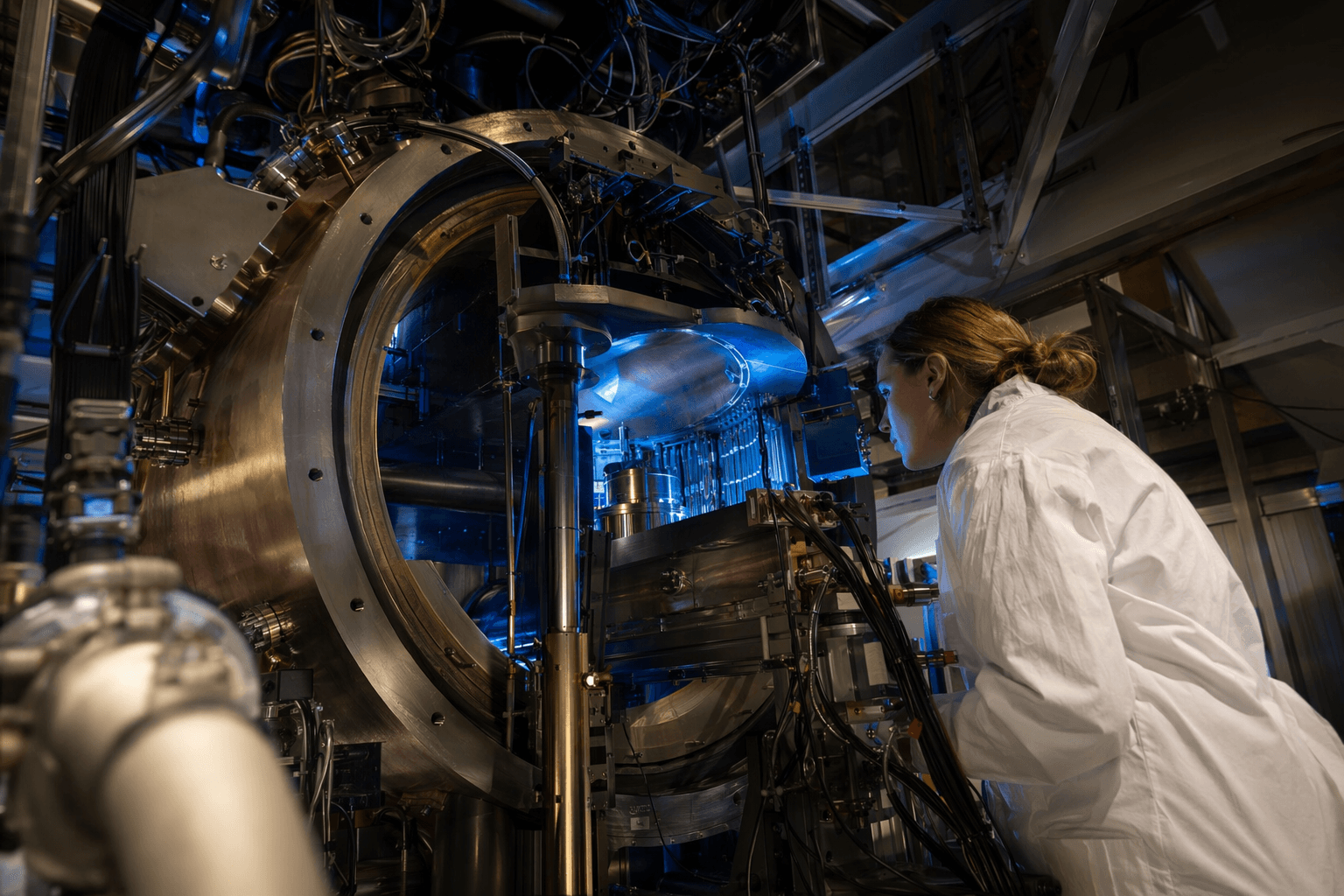
Cooling a reactor without pumps has become one of the most consequential tests in small modular reactor design, and the Paul Scherrer Institute has now pushed that idea into realistic conditions at its PANDA facility in Villigen, Switzerland. PSI said the work, published May 7 in Nuclear Engineering and Design, produced high-resolution measurements that can be used to validate simulations and narrow the uncertainty around passive safety.
For SMRs, defined by the International Atomic Energy Agency as reactors with up to 300 MW(e) per unit, the attraction is safety by design. Instead of depending entirely on active systems that need external power, designers are banking on physical effects such as condensation, gravity and density differences to remove heat during an emergency. The World Nuclear Association describes the sector as a broad set of modular concepts built around factory fabrication and serial production, which makes trustworthy passive-safety data especially important for both licensing and deployment.
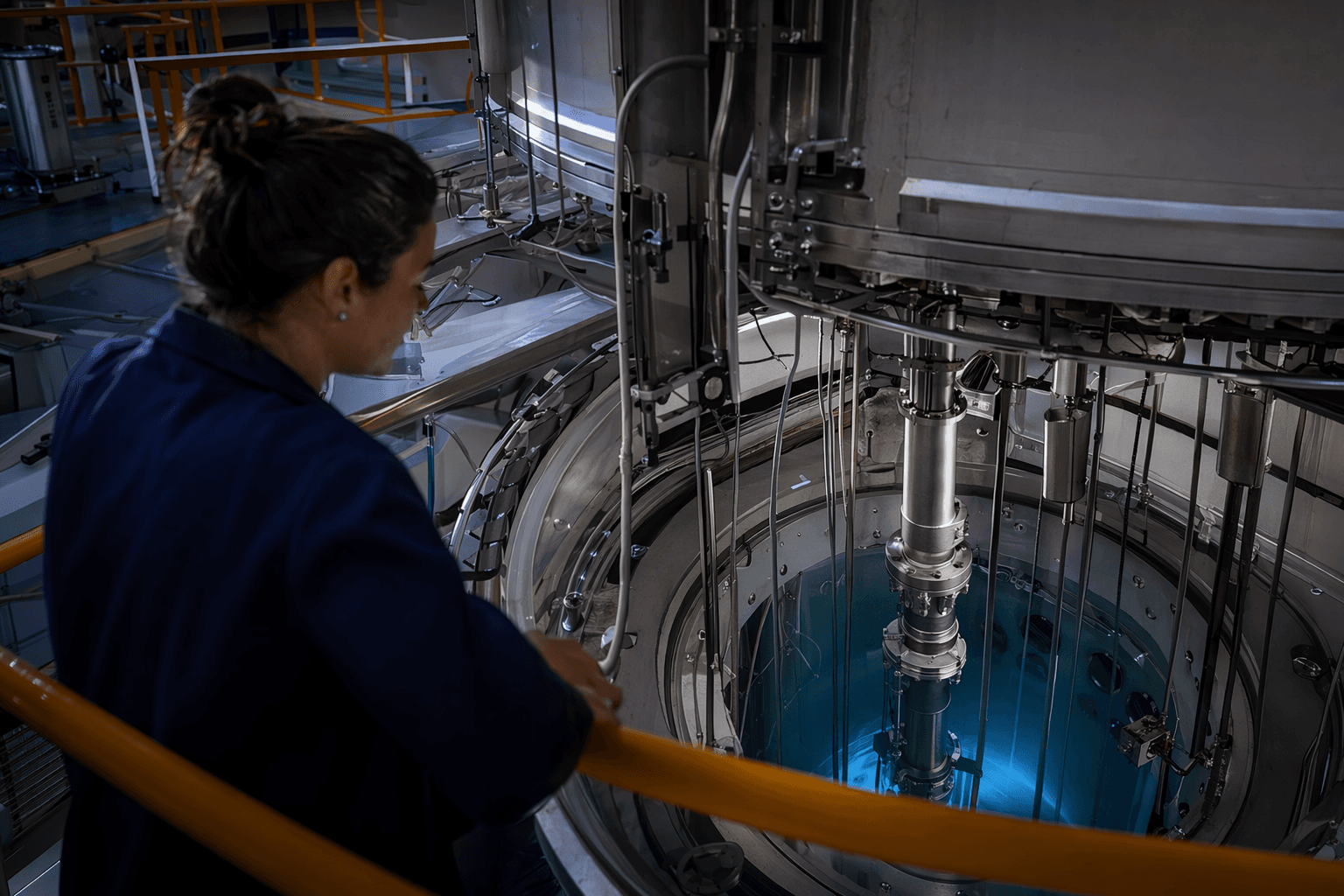
PSI’s experiment focused on a stress case in which steam is released from the reactor into the outer containment structure. In the PANDA setup, a closed cooling circuit used a vertical pipe about six meters high carrying cold water. Steam hit the cold surface, condensed, dripped back as liquid and transferred heat into the water inside the pipe. PSI said the campaign drew scientific support from partners in more than ten countries, and that PANDA’s 80 valves allowed researchers to analyze different gas mixtures in a heavily instrumented environment.
That matters because passive containment cooling is difficult to model well without strong real-world measurements. PSI describes PANDA as a large-scale thermal-hydraulics facility for investigating containment behavior and related phenomena in advanced light-water reactor designs, and the same infrastructure was used historically for passive decay heat removal and containment studies on SBWR, ESBWR and SWR1000/KERENA concepts. Earlier PANDA work also examined long-term passive containment cooling in the presence of non-condensable gases such as air and helium, underscoring how much reactor safety analysis depends on getting steam, gas and condensate behavior right.
For engineers and regulators, that is the real benchmark. If a small reactor is supposed to stay safe during a loss of power without active intervention, the model has to match what the plant actually does under stress. PSI’s new PANDA data bring that claim closer to something designers can defend, not just describe.
This article was produced by Prism’s automated news system from verified source data, official records, and press releases, then run through automated quality and moderation checks before publishing. The system is built and supervised by the people who set the standards it runs under. Read our full AI policy.
Did this article answer your question?