Sandia uses AI and imaging to spot flaws in nuclear ceramic parts
Sandia is pairing optical and acoustic imaging with AI to flag defects in ceramic parts before costly final machining locks them in.
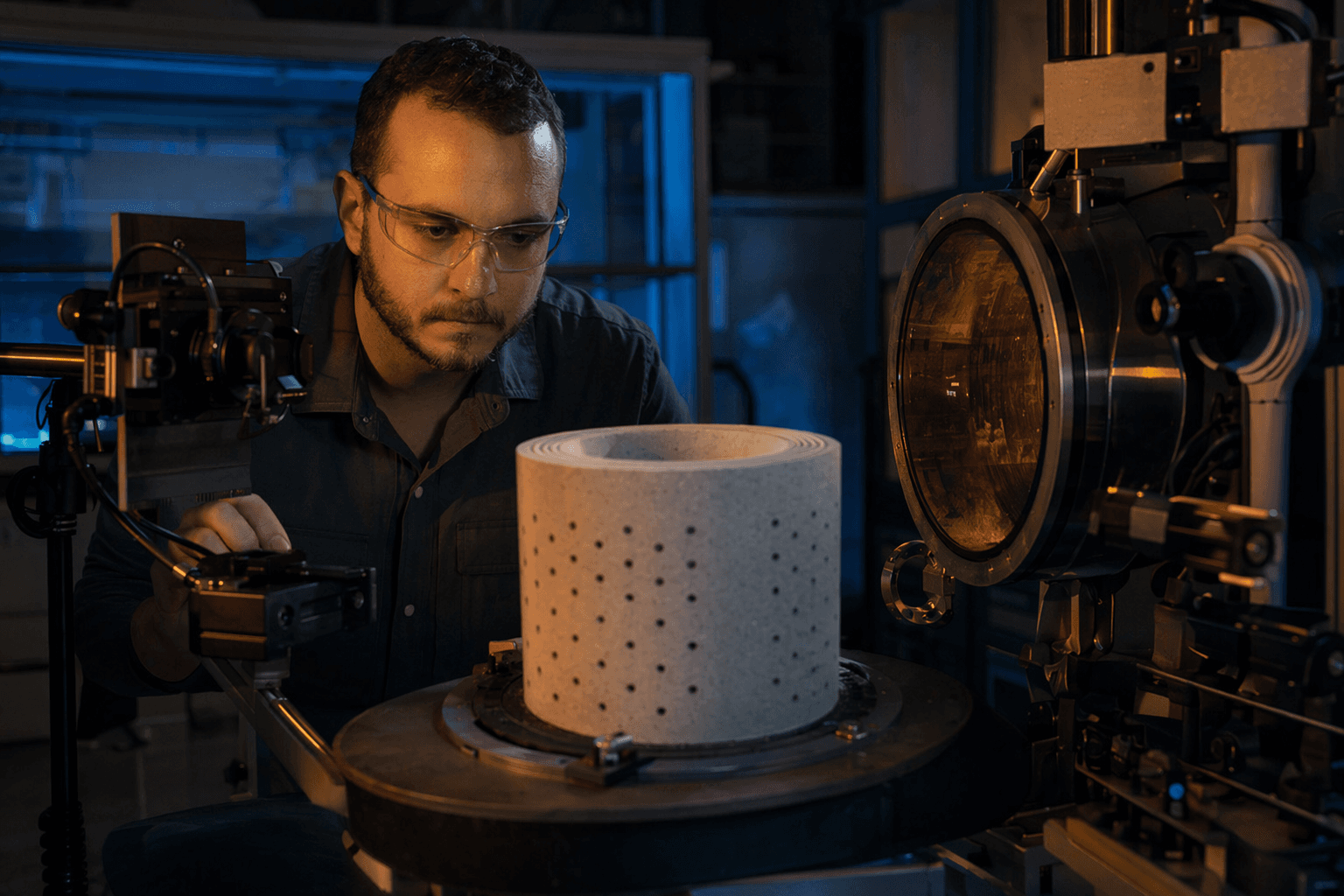
Sandia National Laboratories is pushing a new inspection stack into nuclear ceramic production that could catch tiny flaws before they turn into reliability problems. The lab said the workflow combines optical imaging, acoustic imaging and artificial intelligence to screen ceramic components used in nuclear deterrence applications, with the goal of finding defects earlier and faster than the manual process now in use.
Jesse Adamczyk, a Sandia process engineer, said the lab manufactures these ceramic parts and sees a clear opportunity to speed up a job that still depends heavily on microscopes and painstaking visual review. Sandia said it can take one to two years to fully train an operator to do that work well. The new system starts earlier in the chain, scanning ceramic billets, the starter pieces that will eventually become finished components, with high-throughput imaging systems that create digital records for review. That shift matters because a defect found at the billet stage keeps Sandia from spending time and money processing material that would later be rejected.
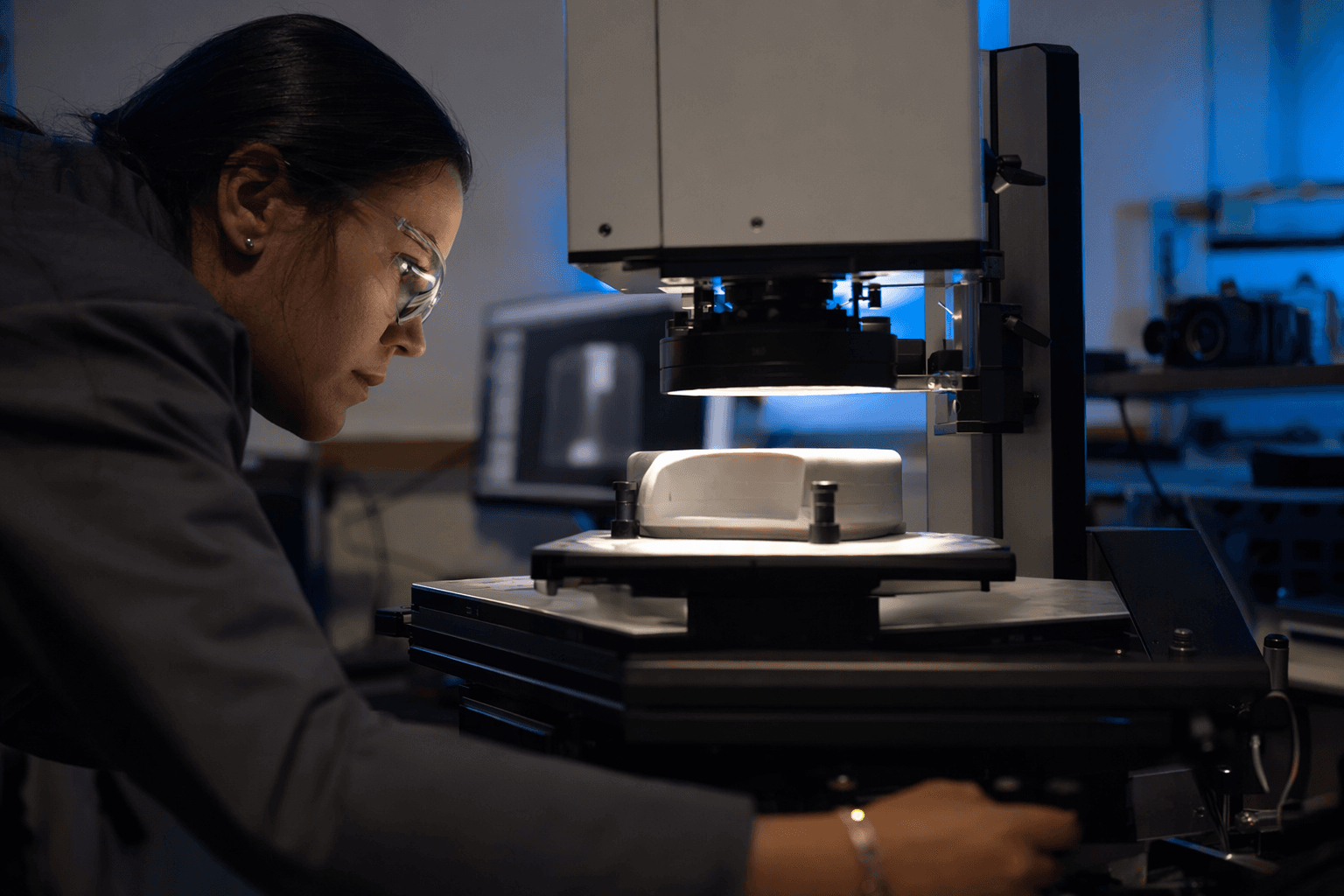
For the final components, Sandia is building an AI augmentation interface that lets operators review scans from their desktops while software flags likely anomalies. The lab is explicit that this is not a replacement model. Operators are meant to double-check the highlighted areas and catch anything the software misses, keeping human judgment in the loop for parts that go into various weapon systems. Sandia said the approach should also free inspectors to do other work while scans run, which matters when demand is rising and the bottleneck is a person peering into a microscope for hour after hour.
The inspection push fits Sandia’s larger nuclear mission. The lab said it has been responsible for nuclear weapons work since 1949, serves as the engineering arm of the U.S. nuclear weapons enterprise, and handles non-nuclear components and system integration. It also said it annually evaluates the reliability and safety of every active stockpile weapon in a letter to the Secretaries of Energy and Defense and the chairman of the Nuclear Weapons Council. Alongside that, Sandia’s NQA-1 quality system emphasizes written and photographic evidence, material certifications, NIST-traceable equipment certifications, calibration data and third-party validation.
The new ceramic work also follows Sandia’s April AI4ND summit, which drew more than 600 participants in person and virtually, as the lab said it is working on about nine AI projects for nuclear security funded by the National Nuclear Security Administration. For Sandia, the payoff is not abstract machine vision hype. It is a faster way to catch flaws in nuclear ceramic parts before they can become a safety or reliability problem.
This article was produced by Prism’s automated news system from verified source data, official records, and press releases, then run through automated quality and moderation checks before publishing. The system is built and supervised by the people who set the standards it runs under. Read our full AI policy.
Did this article answer your question?