Quantum computers model tritium fuel materials for fusion reactors
Quantum computers mapped nine FLiBe configurations, a small but sharp step toward solving fusion’s tritium bottleneck.

Scientists at Oak Ridge National Laboratory, IBM Research and Cleveland Clinic used quantum computers to calculate nine molecular configurations of FLiBe, a molten salt made of fluorine, lithium and beryllium that is one of fusion’s leading blanket materials for breeding and extracting tritium. The work, published on arXiv on June 29 and announced July 6-7, marked the first-known time these calculations had been run on quantum computers.
That matters because tritium is the fuel most proposed fusion reactors need, and it is brutally scarce in nature. ORNL has long treated tritium supply as one of the hardest barriers in the field, especially for blanket design, where engineers have to coax a reactor to make and recover enough of the isotope to keep itself running. The new calculations target exactly that bottleneck, using a quantum-classical workflow to model tritium speciation in molten-salt fusion blankets with more detail than classical tools can easily scale.
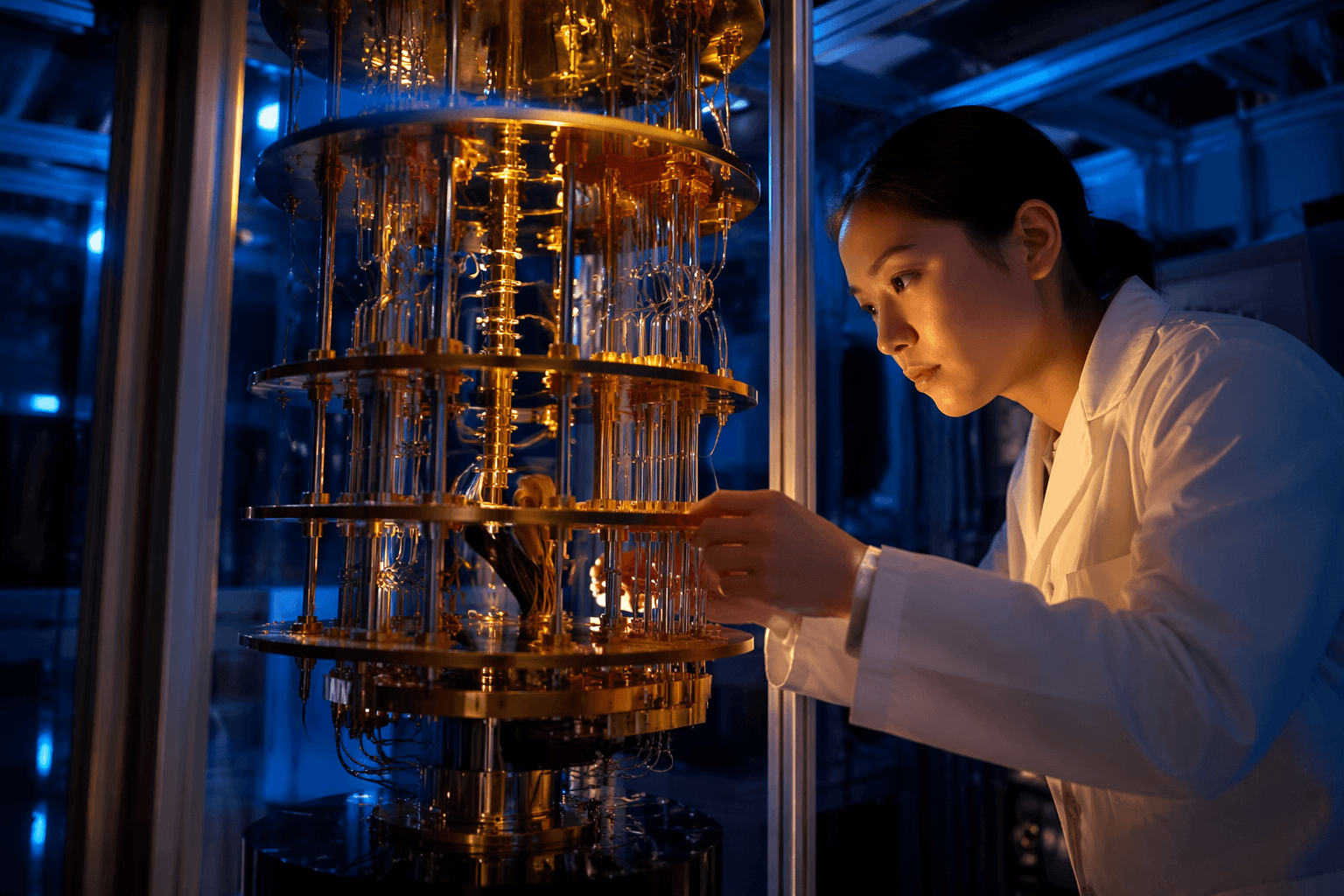
The team’s choice of FLiBe was deliberate. The salt has been a leading candidate for blanket systems because it can help breed tritium and then recover it, but the chemistry is messy enough that design teams often face expensive trial and error. The researchers described the result as the first such demonstration for a charged ionic system and an inorganic molten salt, a technical milestone that moves the problem from rough approximations toward atom-level chemistry.
IBM said the workflow matched the most demanding classical methods, which is the kind of result that makes this line of work worth watching. If quantum computers can keep closing the gap on molten-salt chemistry, engineers could spend less time guessing which blanket compositions will hold up under reactor conditions and more time narrowing in on materials that actually support a self-sustaining fuel cycle.
ORNL said the project involved experts across seven Department of Energy national laboratories, four universities, three industry partners and Cleveland Clinic, tying the effort to the Energy Department’s Genesis Mission. Tom Beck of ORNL said the milestone shows how that mission could drive a multi-pronged discovery cycle for optimizing tritium production in molten-salt blanket materials. Kenneth Merz of Cleveland Clinic said the work extends the clinic’s earlier quantum protein simulations, including models spanning 12,635 atoms, into fusion-relevant materials science.
For fusion, that is the real prize. Not a reactor on the grid yet, but a cleaner route through the part that has slowed the field for decades: making enough tritium, and keeping it circulating, without turning every blanket design into an expensive blind alley.
This article was produced by Prism’s automated news system from verified source data, official records, and press releases, then run through automated quality and moderation checks before publishing. The system is built and supervised by the people who set the standards it runs under. Read our full AI policy.
Did this article answer your question?