Russia and Kazakhstan seal deal for Kazakhstan's first nuclear plant
Kazakhstan will build its first big reactor with Russian money and Russian VVER-1200s, even as it sits atop the world’s largest uranium supply.
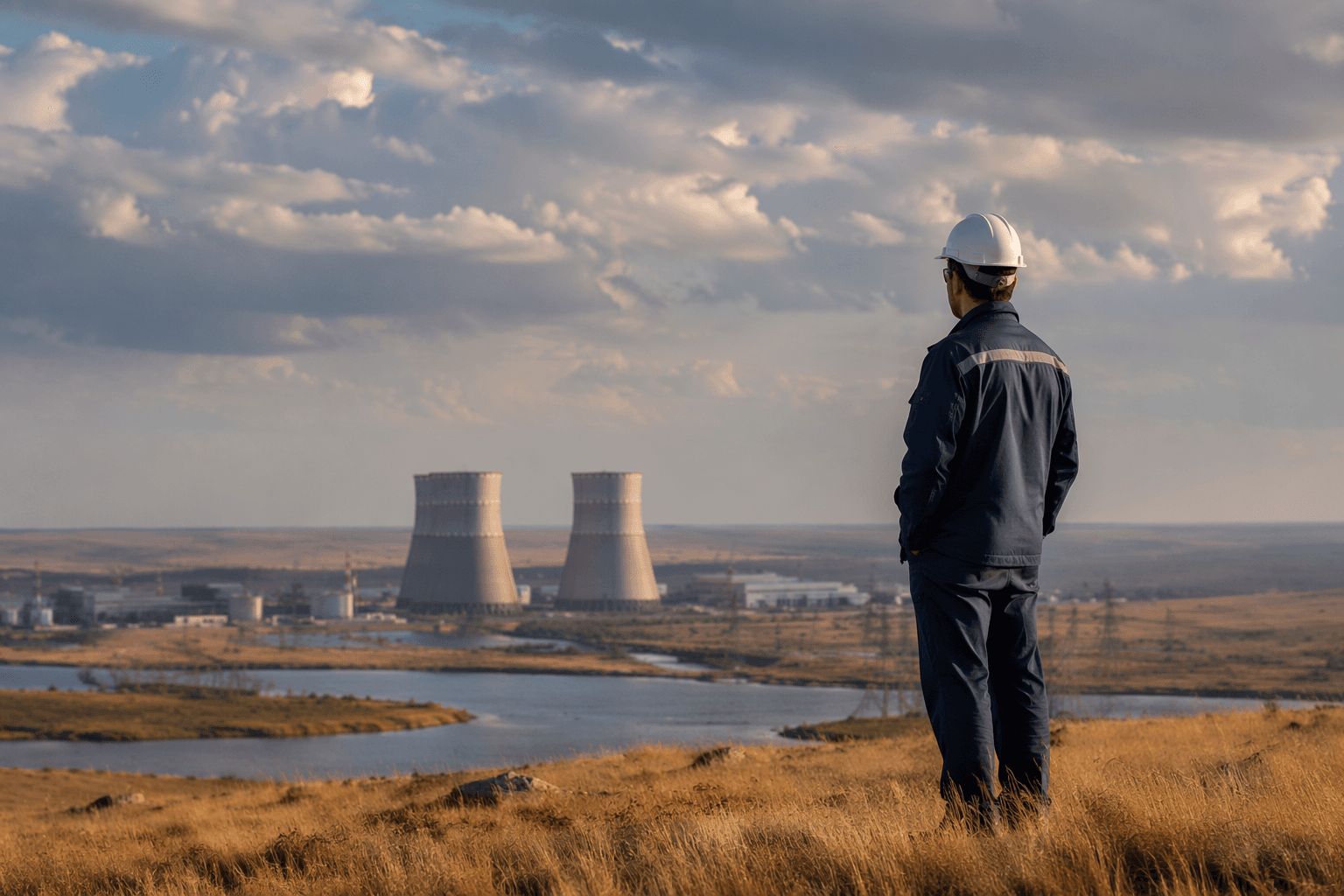
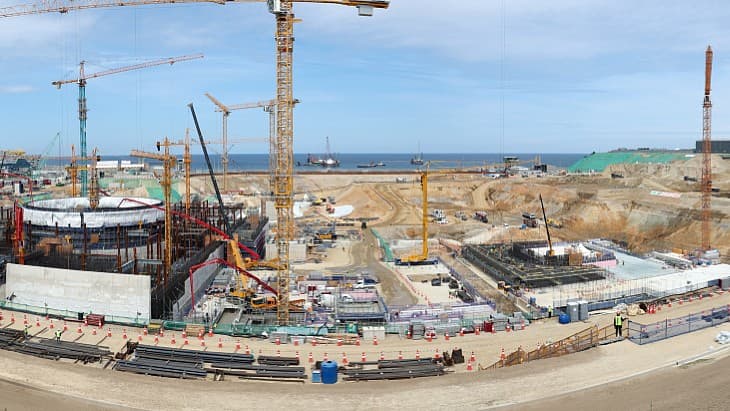
In Astana, Vladimir Putin and Kassym-Jomart Tokayev sealed the deal that pushes Kazakhstan into a new nuclear era, but on terms that underline the country’s dependence. Kazakhstan’s first large-scale commercial nuclear plant will be built near Ulken on the western shore of Lake Balkhash, about 400 km north of Almaty, with Rosatom leading a roughly 2.4-gigawatt project built around two VVER-1200 reactors and Russia expected to finance 85% of the cost through an interstate loan.
That financing structure is the story inside the story. Kazakhstan, the world’s top uranium producer, is not short on fuel resources, but it is choosing Russian reactor technology and Russian capital to get its first major plant off the ground. Almasadam Satkaliyev, head of Kazakhstan’s Atomic Energy Agency, said the Russian side will provide the loan covering 85% of total cost, while Kazakhstan will cover the remaining 15%. The station is projected to enter service around 2035 to 2036, giving the project a long runway before the first power reaches the grid.
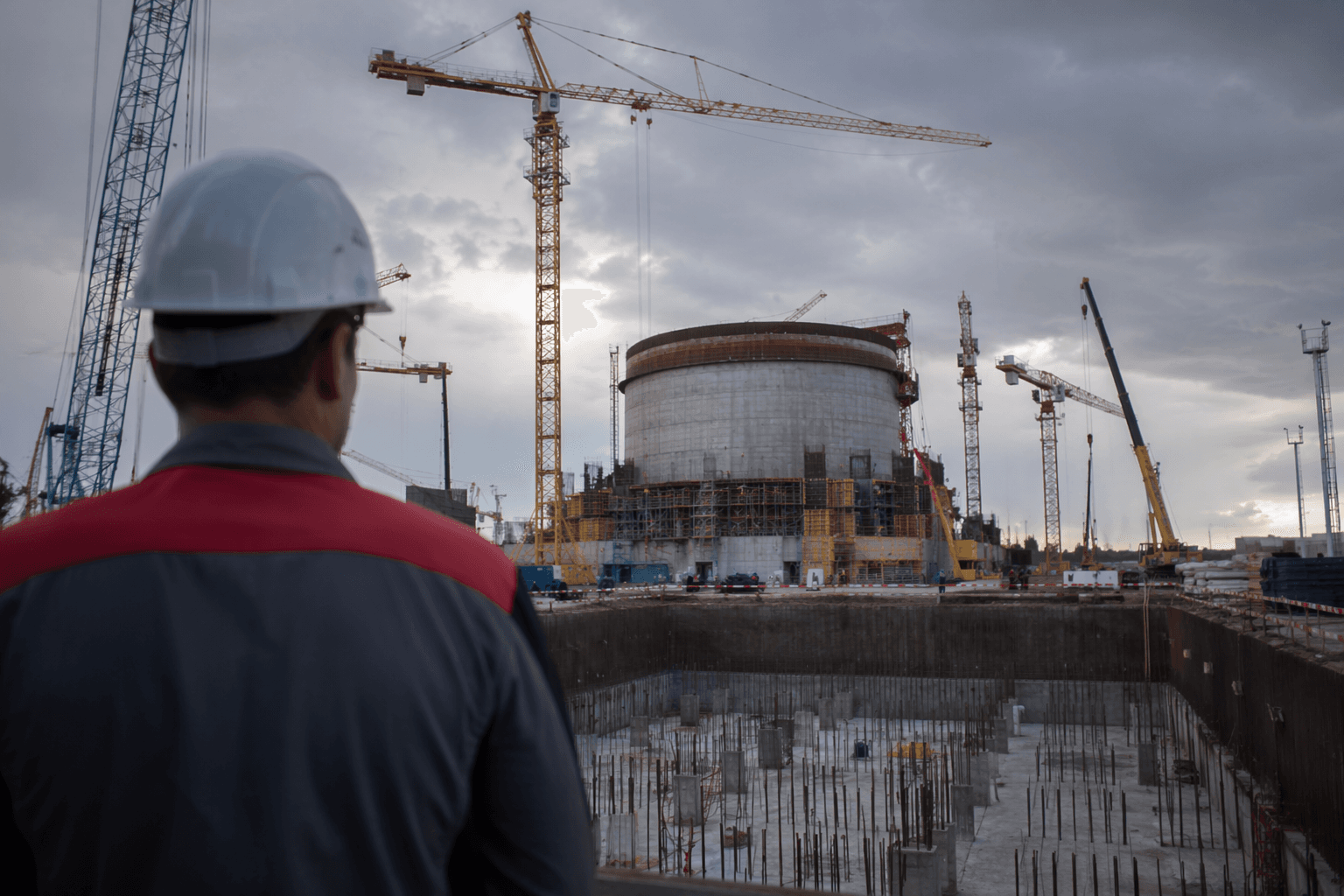
The push comes as Kazakhstan tries to cut its heavy reliance on coal. Depending on the source, coal supplies about half to two-thirds of the country’s electricity, and it remains the dominant source of emissions. Officials have set a goal of getting nuclear to 5% of the electricity mix by 2035, and the political backdrop suggests that ambition has real public backing. In the national referendum on nuclear power held on October 6, 2024, 71.12% of voters supported the idea, with turnout at 63.66%.
Kazakhstan is not entering nuclear power from zero. The country’s only previous power reactor, the BN-350 in Aktau, first generated electricity in 1973 and also supplied desalinated water before the government shut it down in 1999. Since then, Kazakhstan has built pieces of a broader fuel cycle, opening a fuel-fabrication plant in 2021 and reaching its design capacity of 200 tonnes of uranium per year in 2024.
That makes the Balkhash project feel less like a standalone plant than the start of a bigger bet. Kazakhstan has already approved a second nuclear power station site, and Rosatom has said it may discuss involvement there too. For a country that mines the fuel but must import the reactors, the first concrete pour at Ulken will mark more than an industrial milestone. It will show whether Kazakhstan can turn uranium dominance into long-term energy sovereignty without handing the strategic keys to Moscow.
This article was produced by Prism’s automated news system from verified source data, official records, and press releases, then run through automated quality and moderation checks before publishing. The system is built and supervised by the people who set the standards it runs under. Read our full AI policy.
Know something we missed? Have a correction or additional information?
Submit a Tip