Russia's Novouralsk Waste Repository Marks Decade of Accident-Free Operations
Russia's first near-surface waste repository has logged zero radiation incidents since accepting its first 13 waste packages in November 2016, NO RAO confirmed at a public review.
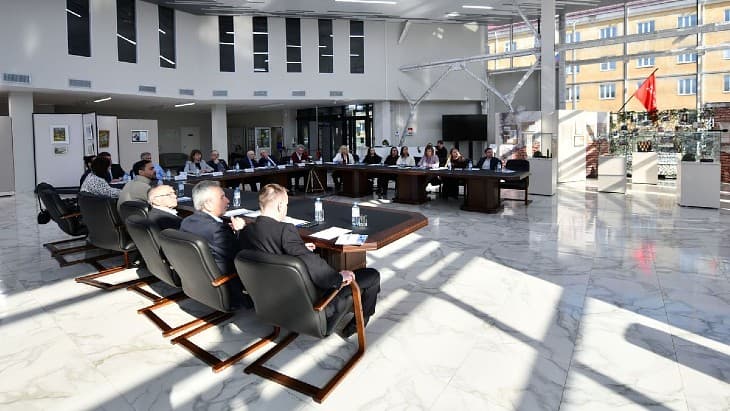
Not one radiation incident in ten years: that is the headline figure from a March 28 public review of Russia's first near-surface final disposal repository for solid low- and intermediate-level radioactive waste, located in Novouralsk and operated by the National Operator for Radioactive Waste Management (NO RAO), a subsidiary of Rosatom.
Vyacheslav Alexandrov, Director of the Ural Branch of NO RAO, stated plainly at the event: "Throughout our operation, we have not recorded a single radiation incident. This speaks to the reliability of our facility's design solutions and, of course, is a testament to the high professionalism of our specialists."
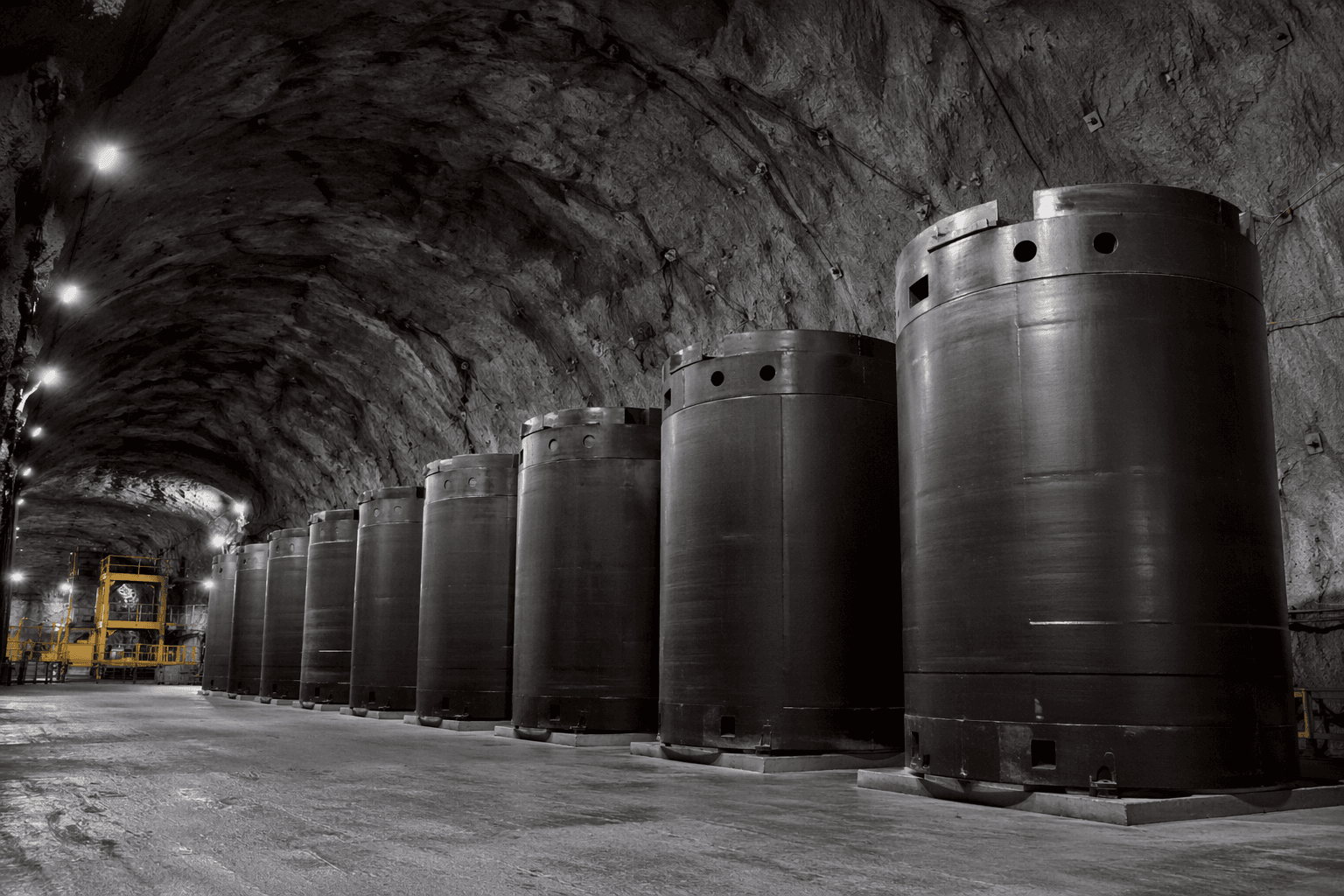
The repository received its first delivery in November 2016: 13 packages of waste totaling 47 cubic metres. Those packages were class 3 waste, with class 4 material, including items like clothing, air filters, and packaging, incorporated into the intake stream shortly after. The waste originates largely from the nearby Ural Electrochemical Combine, which manufactures enriched uranium hexafluoride. The first phase of the facility is 140 metres long, 24 metres wide, and constructed at a depth of 7 metres, with reinforced concrete walls more than half a metre thick. Each cell within that structure holds certified containers with 15-centimetre-thick concrete walls, which in turn house metal barrels of pressed radioactive waste. Combined with later phases, the repository is designed to hold up to 55,000 cubic metres of material for up to 300 years.
Vasily Tinin, representing Rosatom at the review, said the facility had been built using a combination of domestic technologies and the best international practices, and described it as making "a significant contribution to achieving the national goal of transitioning from the accumulation of radioactive waste to reducing its storage volumes."
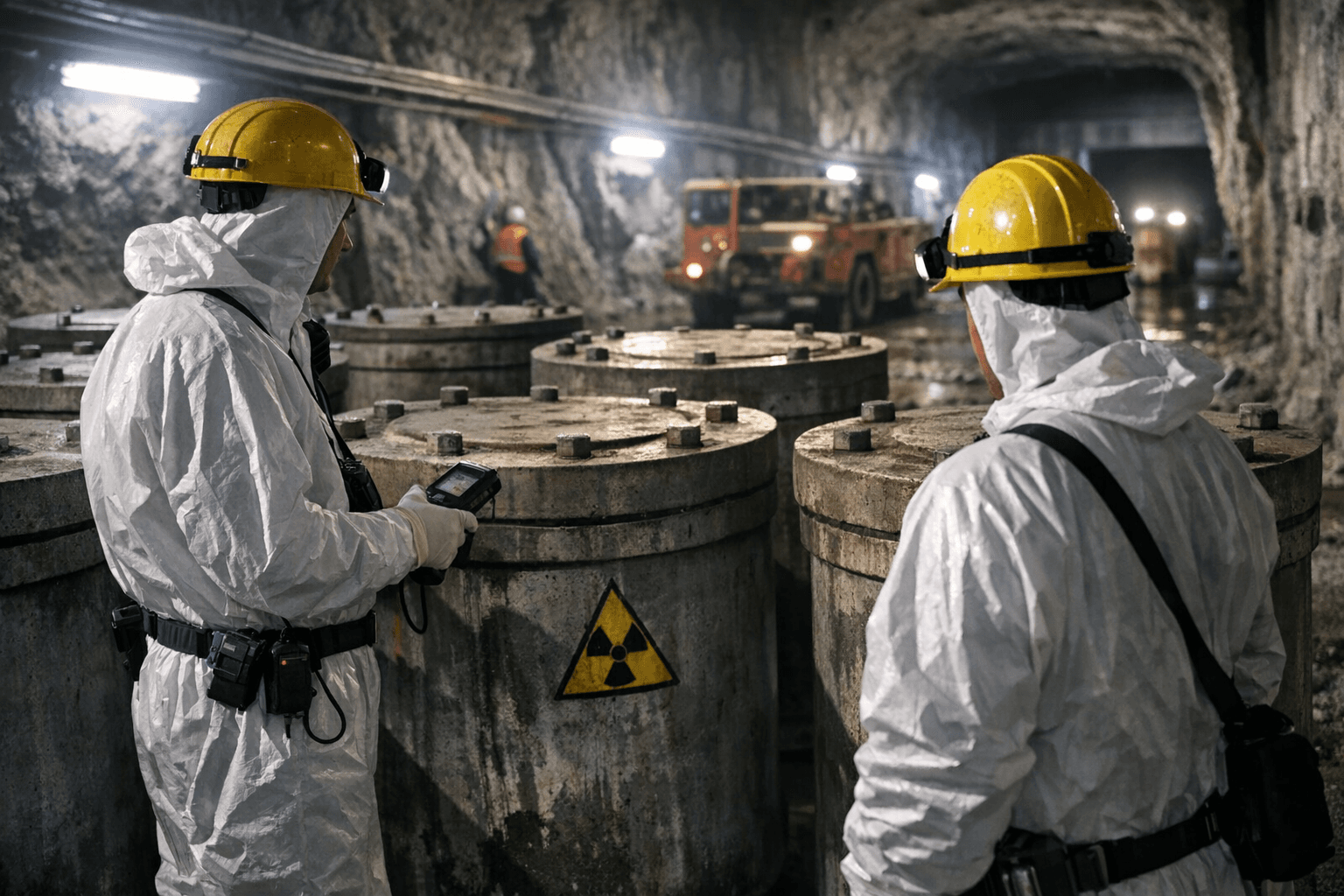
That transition is now accelerating. NO RAO has two additional near-surface final disposal facilities under construction in Seversk and Ozersk, with the first stages of both scheduled for commissioning in 2026. A separate underground research laboratory is also being developed as part of Russia's project to build a deep geological repository for high-level radioactive waste in Krasnoyarsk Krai.
For the international waste-management community, the Novouralsk review adds a concrete ten-year operational dataset to the evidence base for near-surface repository design. Engineered barrier performance, environmental monitoring protocols, and the institutional arrangements that kept the site clean through a full decade of operations are exactly the kind of hard-won specifics that regulators in countries standing up their own back-end infrastructure need. Alexandrov framed it directly: the Novouralsk experience "has laid a solid foundation for the further development of radioactive waste final disposal infrastructure in other regions." The coming years will test whether the Seversk and Ozersk sites can replicate that record from day one.
This article was produced by Prism’s automated news system from verified source data, official records, and press releases, then run through automated quality and moderation checks before publishing. The system is built and supervised by the people who set the standards it runs under. Read our full AI policy.
Did this article answer your question?