Senate panel weighs nuclear bills to speed deployment and protect safety
Three nuclear bills got a bottleneck test in Senate, and the sharpest fight was over whether Congress should speed permits, fuel, or construction materials.
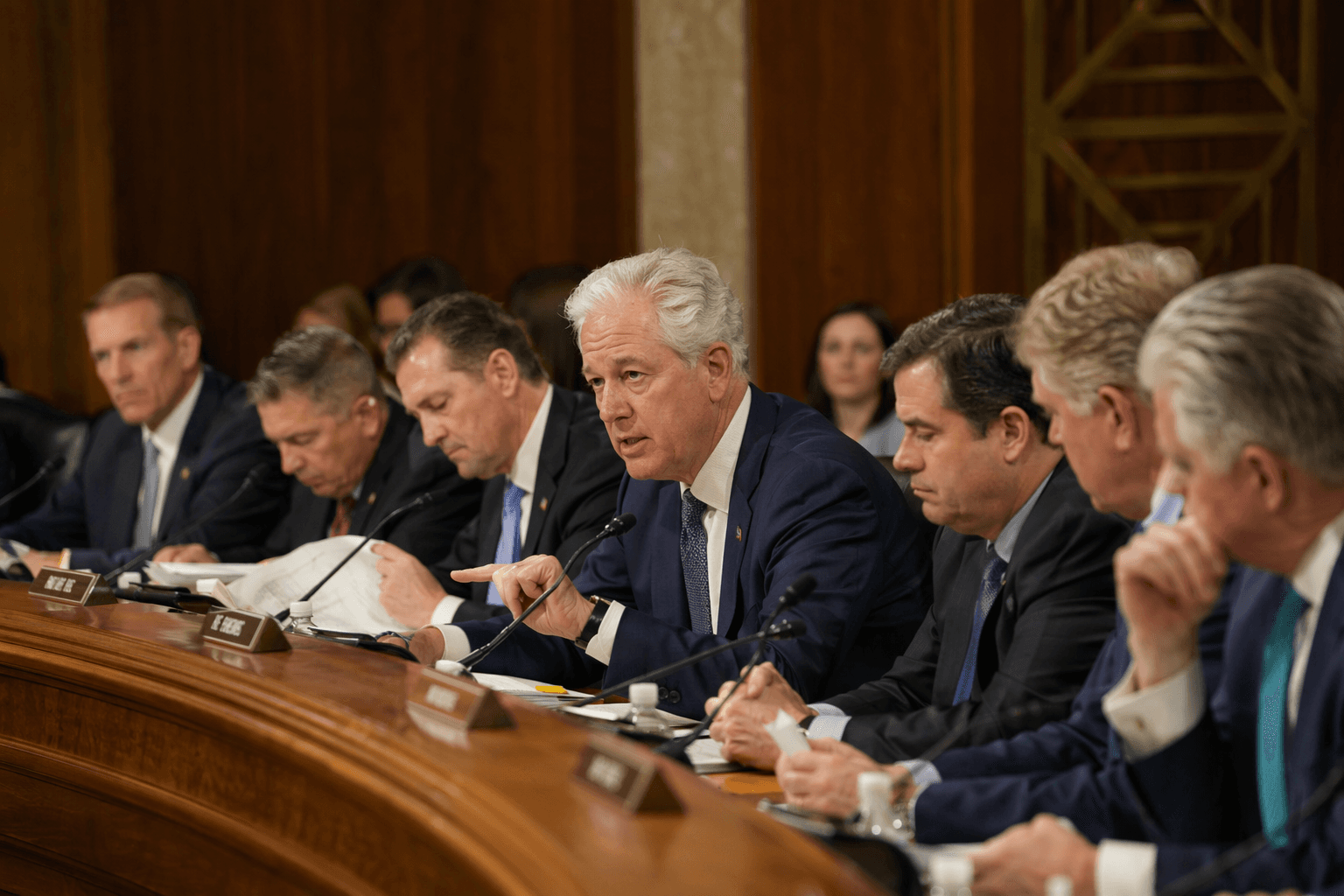
At 9:45 a.m. Wednesday in Dirksen Senate Office Building room 406, Sen. Cynthia M. Lummis opened a hearing that treated nuclear deployment less like an abstract promise and more like a bottleneck map. The Senate EPW Subcommittee on Clean Air, Climate, and Nuclear Innovation and Safety examined three bills, the Build Nuclear with Local Materials Act, the RECHARGE Act, and the Enrichment Licensing Modernization Act, with no votes taken and no markup to follow. What came through instead was a clearer picture of where the industry still gets stuck.
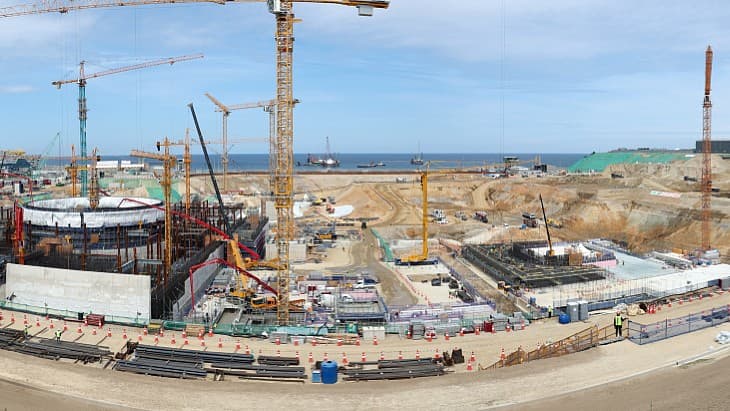
The Build Nuclear with Local Materials Act, introduced in the Senate as S. 4529, goes after one of the more frustrating cost drivers in new plant construction. It would require the Nuclear Regulatory Commission to allow commercial-grade steel and concrete in non-safety-related structures at nuclear power plants. Rep. Byron Donalds introduced the House companion on May 14, 2026. Supporters say current rules can push nuclear-grade materials into places where they are not needed, inflating cost and schedule risk. In practical terms, the bill is real but narrow: it trims construction friction, yet it does not touch licensing backlogs, fuel supply, or the bigger financing uncertainty that hangs over first-of-a-kind builds.
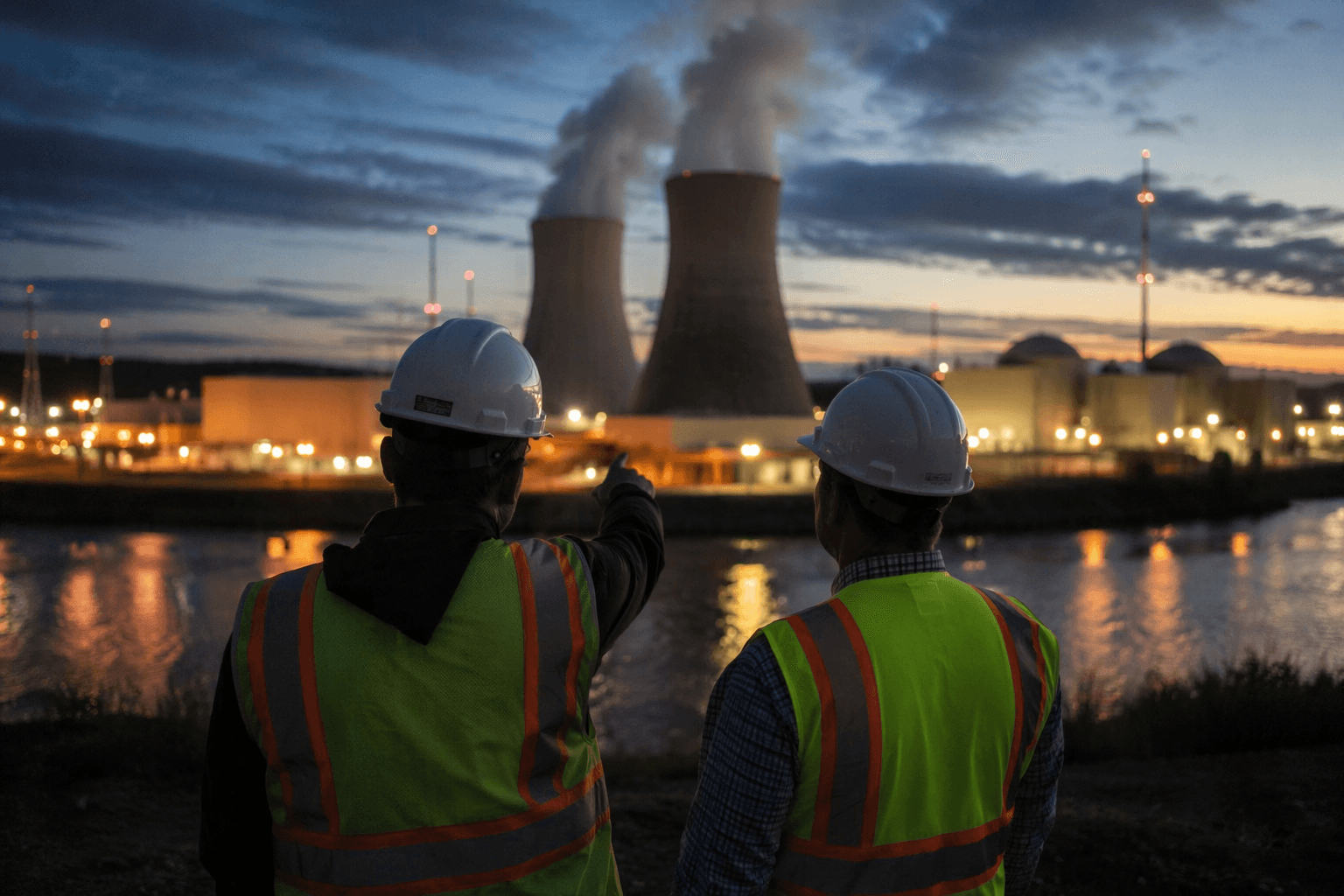
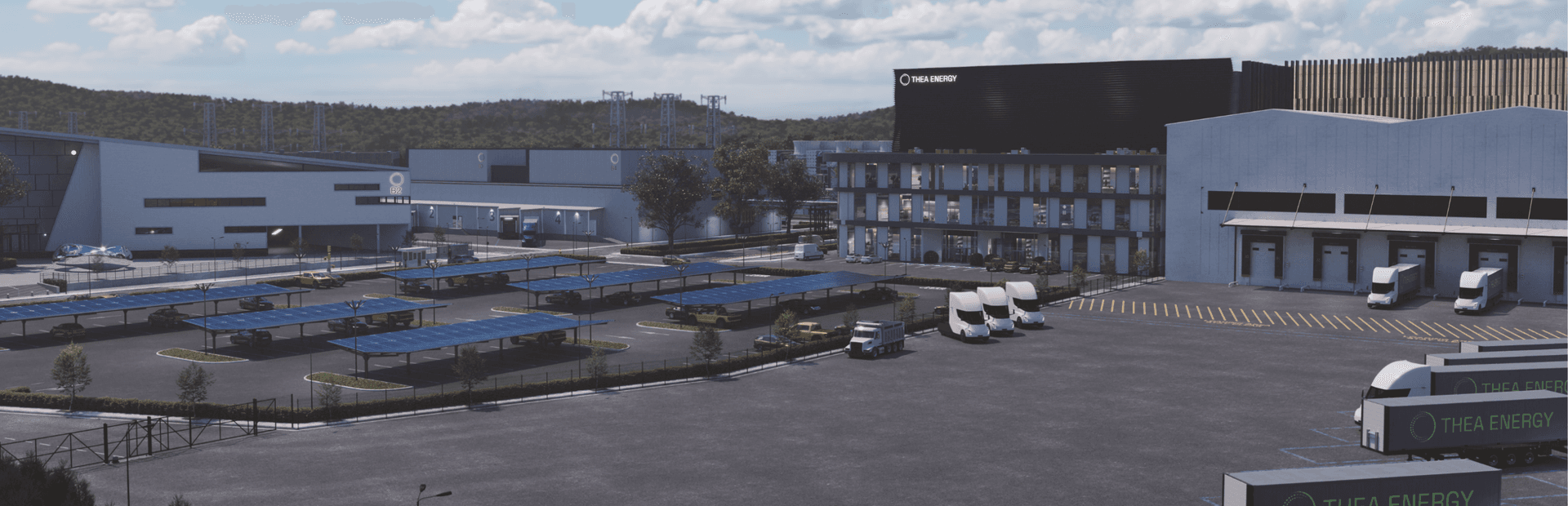
The RECHARGE Act reaches farther into the deployment maze. Its discussion draft would exempt conversion of covered sites into certain nuclear reactor plants from some National Environmental Policy Act requirements, aiming to make brownfield and retired fossil-fuel sites easier to reuse. The idea is to turn old energy ground into ready-made nuclear ground, with existing industrial footprints, grid links, and workforces already in place. A House predecessor, the Nuclear for Brownfield Site Preparation Act, was introduced in November 2023, which shows how long this siting problem has been on Congress’s radar. Of the three measures, this is the one that most directly attacks permitting friction, the drag that can turn a promising project into a decade-long slog.
The Enrichment Licensing Modernization Act addresses a different choke point: fuel. Its draft would amend section 193 of the Atomic Energy Act to modernize licensing for uranium-enrichment facilities. Sen. Mark Kelly has said the rules have not been updated in about 40 years, a telling detail at a moment when the Department of Energy announced $2.7 billion in January 2026 to restore American uranium enrichment services over the next decade. That makes the bill less flashy than a siting fix, but arguably more strategic. Without fuel, deployment stalls no matter how clean the concrete is or how favorable the site looks.
The scoreboard from Wednesday is fairly crisp. Build Nuclear with Local Materials would help shave material costs. RECHARGE could unlock the fastest path to new reactor sites by easing permitting on existing industrial land. Enrichment Licensing Modernization tackles the fuel cycle itself. What none of them solves on its own is the full stack of financing risk, reactor licensing pace, and project execution that still decides whether a nuclear proposal becomes a poured foundation or just another hearing-room talking point.
This article was produced by Prism’s automated news system from verified source data, official records, and press releases, then run through automated quality and moderation checks before publishing. The system is built and supervised by the people who set the standards it runs under. Read our full AI policy.
Know something we missed? Have a correction or additional information?
Submit a Tip