Studsvik seeks approval for 1,400 MW SMR project in Nyköping
Studsvik filed Sweden’s third SMR bid, targeting 600 to 1,400 MW at Nyköping. The application is a test of whether Sweden’s new nuclear push can become a build queue.
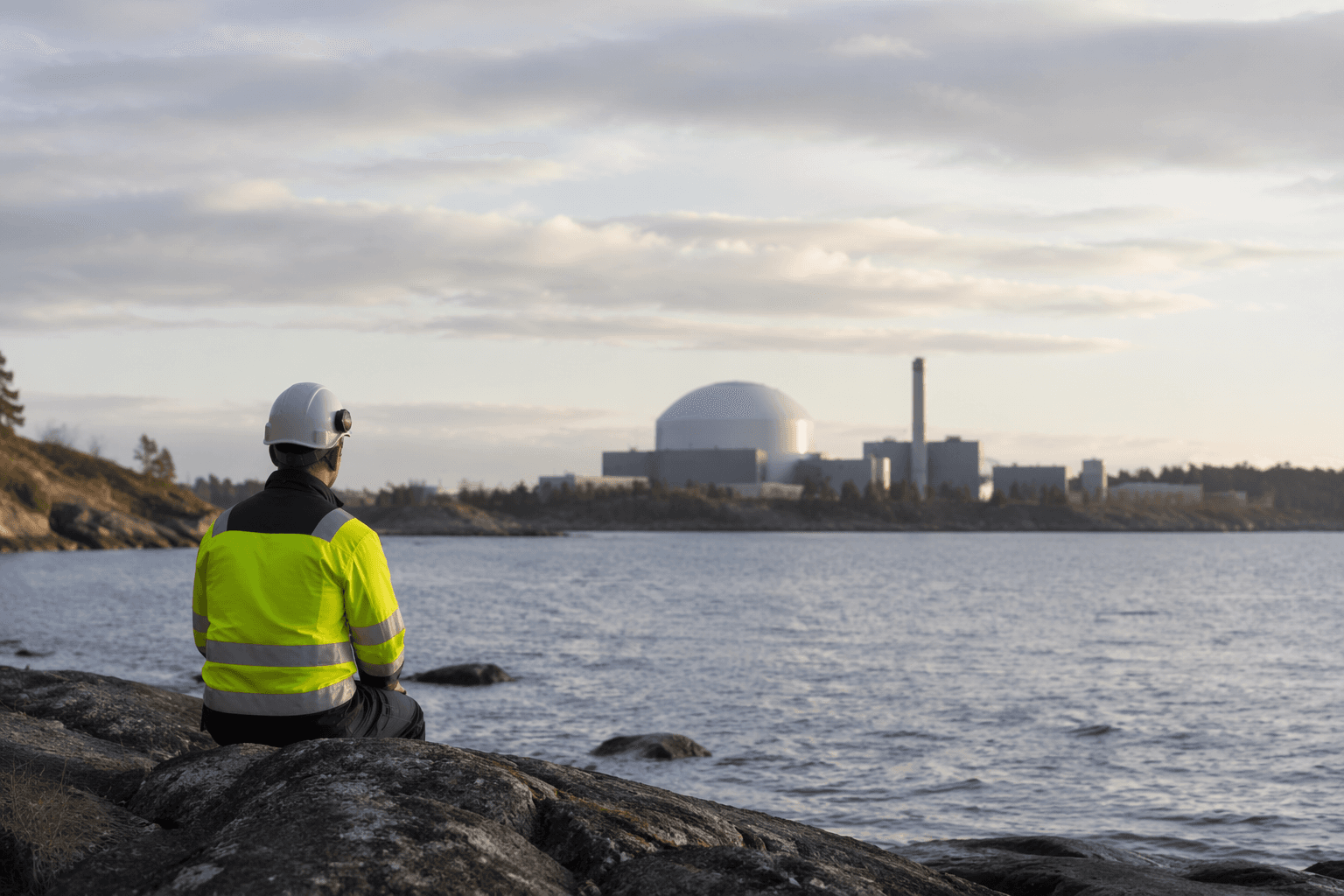
Studsvik has pushed Sweden’s SMR race into a new phase, filing on May 25 for between 600 MW and 1,400 MW of new nuclear capacity at and around its existing site in Nyköping. The move makes Studsvik the latest company to try to turn Sweden’s policy opening into a real project, and it lands as the third application lodged for a Swedish SMR plant.
What sets this bid apart is the site itself. Studsvik is not starting from a blank slate, but from a location with an active nuclear presence and decades of technical know-how already in place. That gives Nyköping a different profile from earlier greenfield-style ambitions, including Kärnfull Next’s Valdemarsvik plan, because Studsvik is arguing that the industrial backbone, local familiarity and nuclear services experience are already there. The company says first reactors could enter commercial operation in the 2030s if permits are granted.
The timing matters because Sweden’s policy framework has shifted hard in nuclear’s favor. The government has backed state aid and risk-sharing for new reactors, the Riksdag approved the financing and risk-sharing proposal in 2025, and the country moved in 2023 from a 100% renewable electricity target to a 100% fossil-free target. Ministers have also set out an ambition for the equivalent of 10 new reactors, including SMRs, by 2045. Studsvik’s filing is therefore more than a site application. It is a test of whether that political appetite can translate into actual shovel-ready projects.
For the Nyköping bid to move from paper to construction, a few gates now matter above all others. Swedish law still gives the municipality a veto, so local approval is essential even if national authorities advance the case. Environmental review, technical permitting and a credible financing package will also have to line up, alongside whatever partnerships Studsvik chooses for design, supply chain and execution. Nyköping municipality has already received public funding to prepare for possible new nuclear power, a sign that the local planning conversation is no longer theoretical.
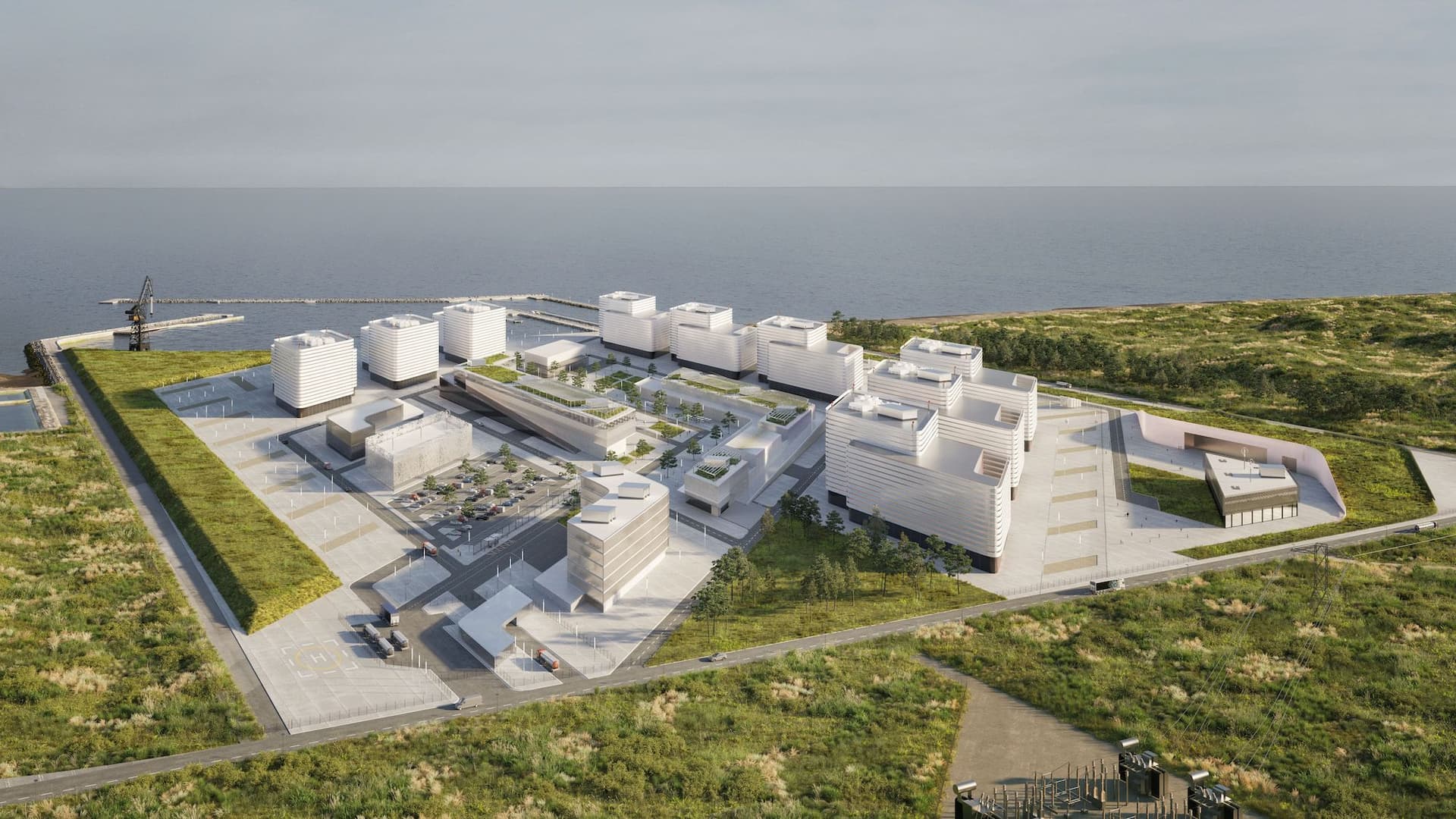
Studsvik has been widening its nuclear-development profile beyond services and into project formation. It has acquired Kärnfull Next, which submitted the first SMR application under Sweden’s new approval law, and it has signed a memorandum of understanding with Rolls-Royce SMR to explore supply-chain collaboration. Karl Thedéen has said Sweden needs “new firm, fossil-free capacity” on a scale not seen in a generation. The Nyköping filing is the first real test of whether that ambition can clear the permitting and financing checkpoints that turn SMR talk into a build queue.
This article was produced by Prism’s automated news system from verified source data, official records, and press releases, then run through automated quality and moderation checks before publishing. The system is built and supervised by the people who set the standards it runs under. Read our full AI policy.
Know something we missed? Have a correction or additional information?
Submit a Tip