US targets three advanced reactors critical by July 4 anniversary
Three advanced test reactors are being pushed toward first criticality by July 4, a deadline that would turn a political promise into operating data.

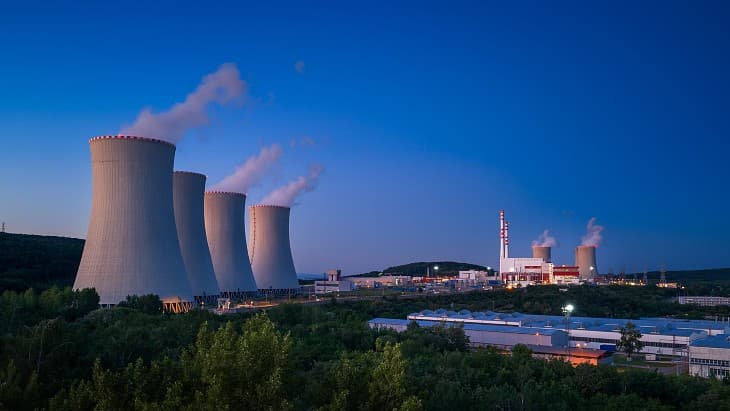
Chris Wright has put a hard date on the advanced-reactor race: at least three test reactors are supposed to reach criticality by July 4, the nation’s 250th anniversary, a milestone that would show the Department of Energy’s pilot is producing real fuel-and-core data, not just paperwork. In reactor terms, criticality is the moment a core can sustain a chain reaction on its own, which is the line between design work and live operating evidence.
The Reactor Pilot Program was built to make that happen outside the national laboratories. DOE issued the request for applications on June 18, 2025, then announced initial selections on Aug. 12, 2025, with 11 advanced reactor projects selected because Oklo was chosen twice. The roster includes Aalo Atomics, Antares Nuclear, Atomic Alchemy, Deep Fission, Last Energy, Natura Resources, Oklo, Radiant, Terrestrial Energy and Valar Atomics. DOE’s stated target is to get at least three advanced reactor concepts to criticality by July 4, 2026, and the department has said it will consider reactors with a reasonable chance of operating by July 2026.
That framing matters because the program is not a shortcut to commercial deployment. It is a research, development and validation effort meant to create a practical testing path for reactor concepts that are still proving themselves. The companies are paying their own way, covering design, manufacturing, construction, operations and eventual decommissioning, while DOE provides the authorization pathway and support. DOE and Nuclear Regulatory Commission personnel are also working together on the pilot projects’ permitting process, which makes the program unusual in both pace and structure.
Aalo Atomics has become one of the clearest examples of what DOE is trying to accelerate. The company broke ground on Aalo-X at Idaho National Laboratory on Aug. 29, 2025, and says it wants to complete construction and reach criticality by July 4. Aalo has said Aalo-X would be the first new sodium-cooled reactor to start operation in the United States in more than four decades, and that the experimental machine is the precursor to Aalo Pod, a 50 MWe power plant aimed at data centers and targeted for commercial use by 2029.
Other projects show how broad the program is. Oklo, through Atomic Alchemy, is targeting the Groves test reactor in Texas, where the goal includes developing operating procedures, testing systems and supporting domestic radioisotope production for cancer treatments. Radiant is targeting criticality for Kaleidos, its 1-megawatt high-temperature gas-cooled portable microreactor. The mix suggests DOE is not backing one winner, but building a pipeline of test data for different fuels, coolants and deployment models.
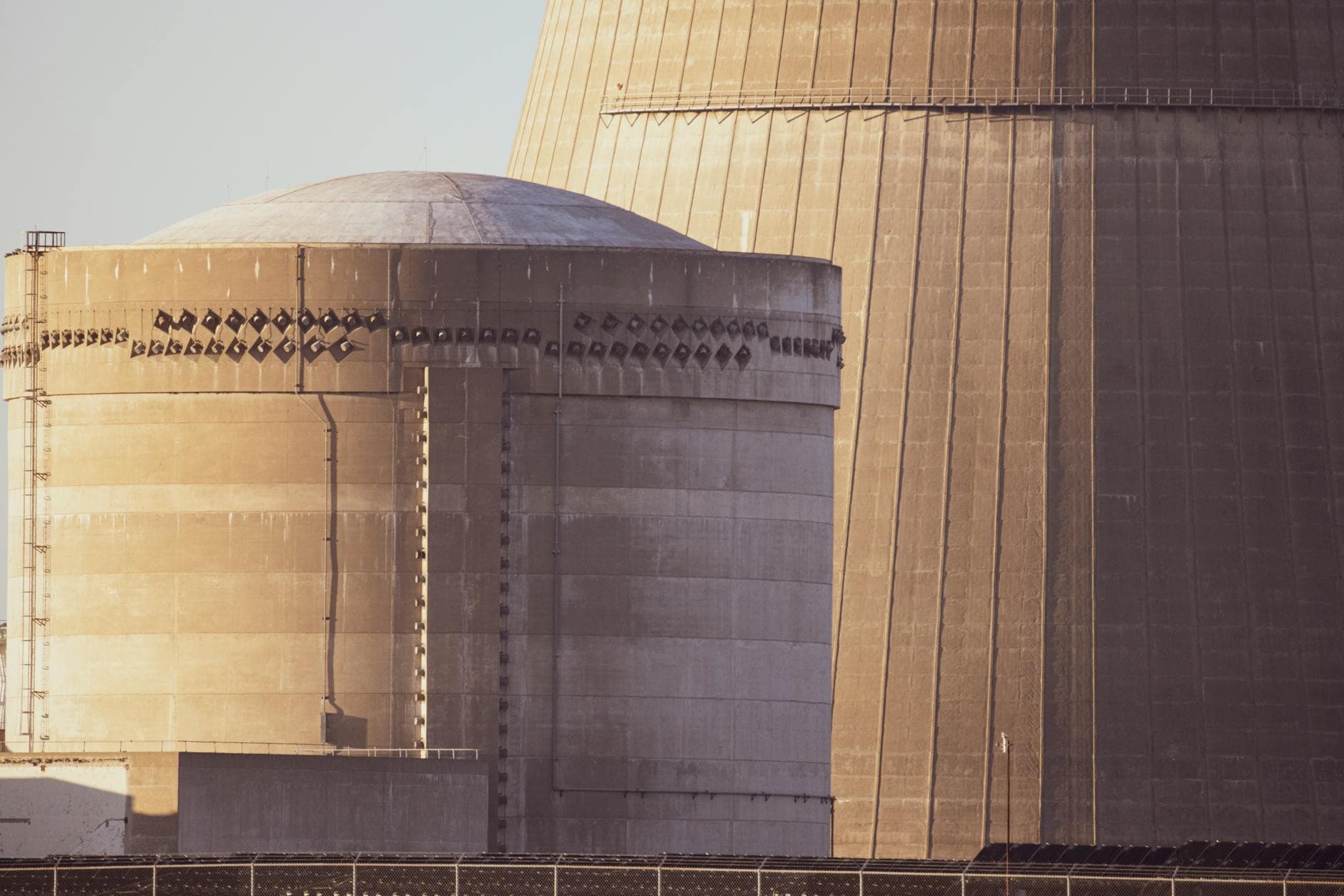
Wright told the Senate Energy and Natural Resources Committee on April 21 that multiple reactors in the pilot program were set to reach criticality by the July 4 deadline. He also said DOE plans to lend financial support for the first 10 nuclear reactors and expects hyperscale data-center customers to provide equity capital. That sits alongside DOE’s FY2027 request, which included $1.5 billion for the Office of Nuclear Energy and $226 million for the Advanced Reactor Demonstration Program. For the industry, the real signal is not just whether three reactors make the date, but whether the program produces the licensing data, construction discipline and operating experience that can carry advanced reactors into the commercial market.
This article was produced by Prism’s automated news system from verified source data, official records, and press releases, then run through automated quality and moderation checks before publishing. The system is built and supervised by the people who set the standards it runs under. Read our full AI policy.
Did this article answer your question?