Vilnius University builds pea-sized sensor to pinpoint radiation sources
Vilnius University’s pea-sized triplex sensor can point to a source, estimate distance, and read doses from a few gray to megagray.
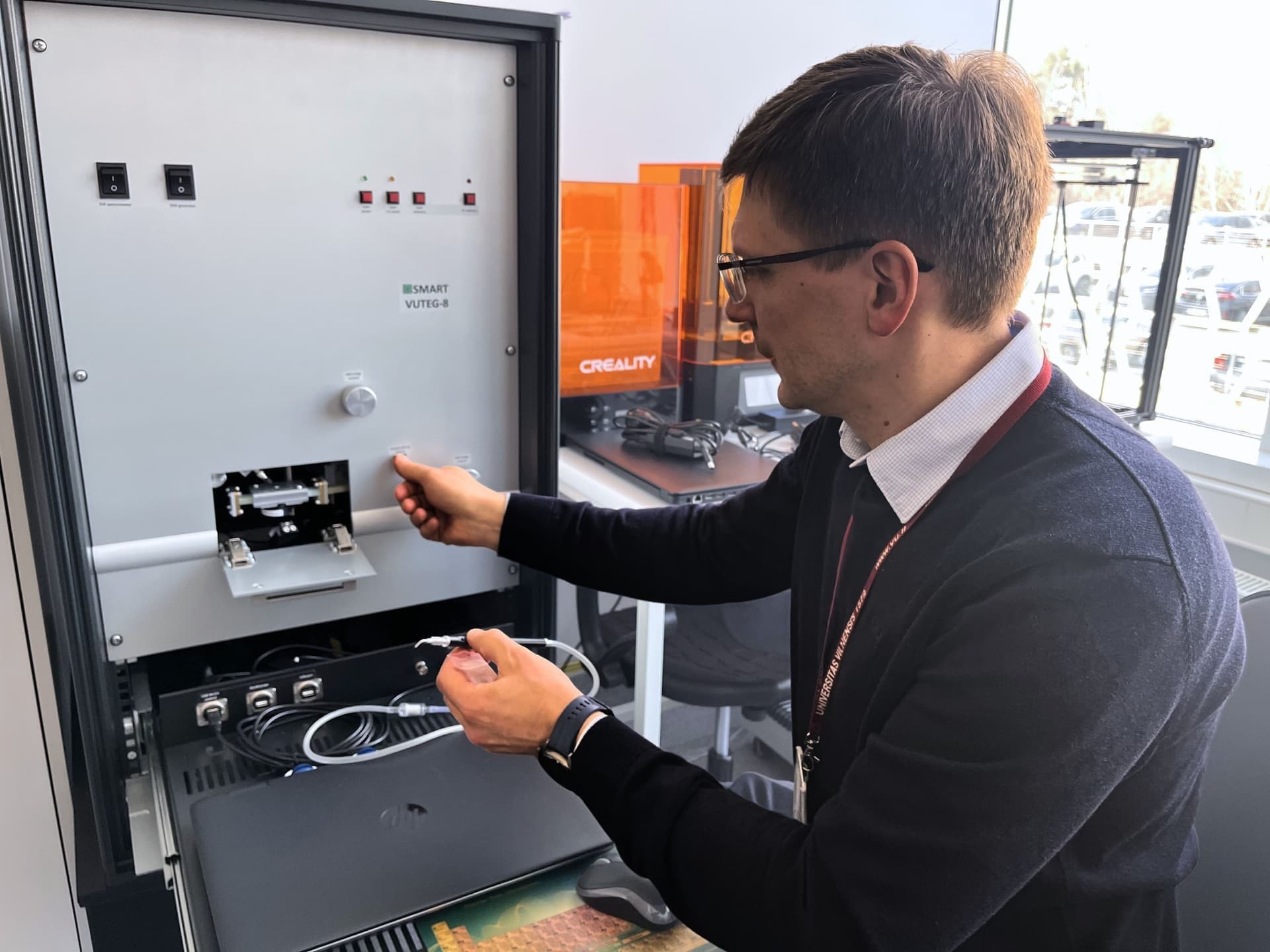
On July 1, Vilnius University announced a pea-sized triplex sensor that can detect radiation, identify where it is coming from, and estimate how far away the source sits. The device, patented in 2025 and already installed at CERN, turns a single radiation reading into a directional map instead of a simple alarm.
A lot of field dosimetry still tells you only that radiation is present, or that a dose limit has been exceeded. The new sensor is designed to do more: estimate the direction of incoming radiation in real time, determine the predominating type of radiation in the environment, and measure doses from a few gray up to megagray levels. That range makes it relevant not just for lab work, but for industrial environments, nuclear power plants, and nuclear accident sites where the signal can swing from background-level tracking to extreme exposure.
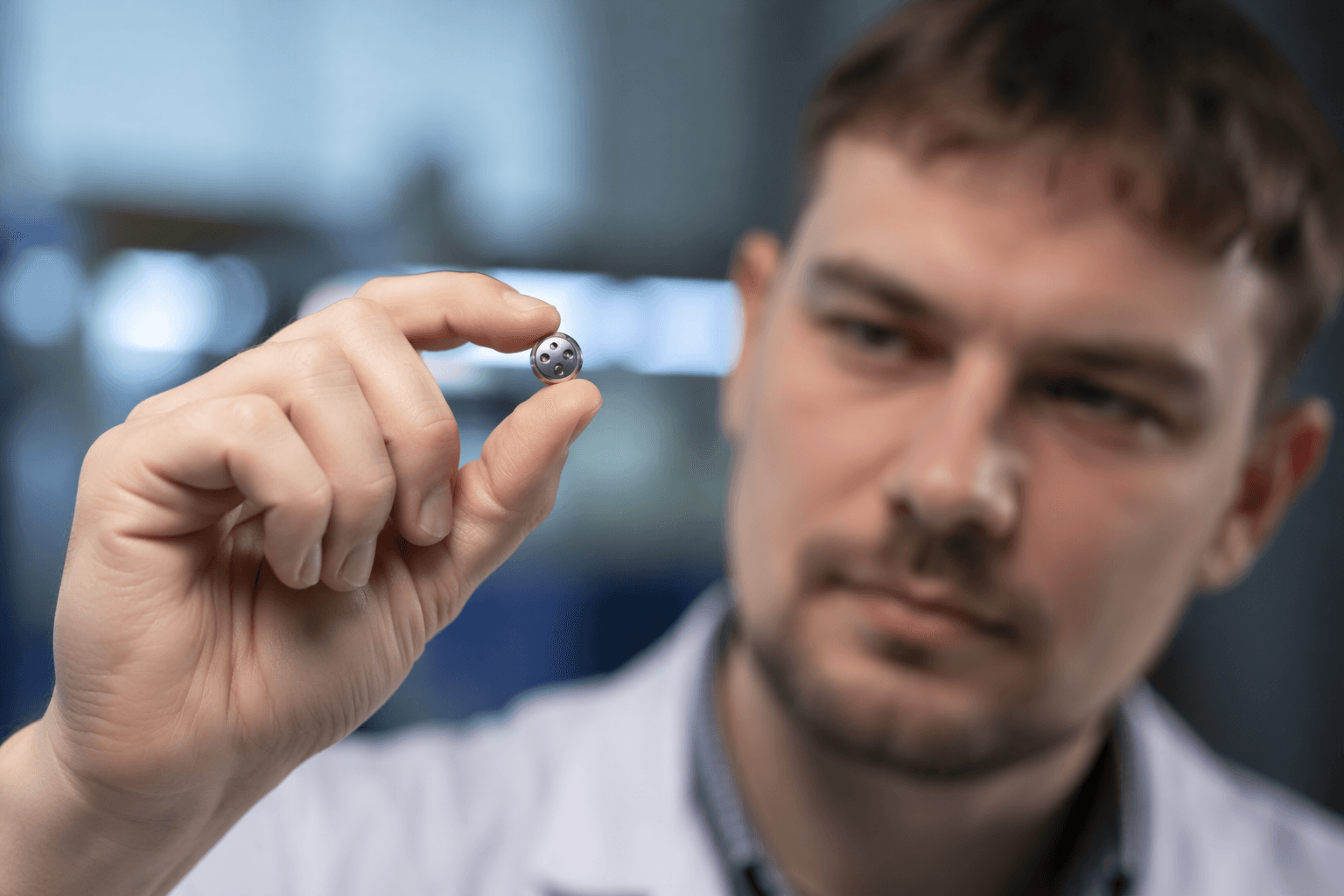
The hardware is compact and layered. Vilnius University’s Faculty of Physics says the oriented triplex sensor combines a scintillator, an organic ESR sensor, and a semiconductor photosensor, with signals read sequentially by a dedicated readout device. Each layer contributes different information. The sensor has to balance accuracy, dose response, dose-rate dependence, energy response, directional dependence, spatial resolution, and dynamic range.
The sensor can be used remotely, including with drones, to inspect hazardous areas quickly and safely. That opens up workflows that are awkward or dangerous with conventional handheld meters: sweeping a damaged room after an incident, checking shielding integrity around a suspect source, or narrowing down where a contamination plume is strongest without sending a person straight into the line of fire.
The Institute of Photonics and Nanotechnology’s Photoelectric Phenomena Research Group focuses on radiation defects, radiation-hardened materials, new measurement technologies, and remote in situ measurements in harsh irradiation environments. Prof. Eugenijus Gaubas, Prof. Tomas Čeponis, Laimonas Deveikis, Jevgenij Pavlov, and Vytautas Rumbauskas were recognized on the patent.
This article was produced by Prism’s automated news system from verified source data, official records, and press releases, then run through automated quality and moderation checks before publishing. The system is built and supervised by the people who set the standards it runs under. Read our full AI policy.
Did this article answer your question?